Skip to content Skip to left sidebar Skip to footer

Agriculture

MAKUENI FRUIT PROCESSING PLANT BEGINS MANGO PROCESSING TO BOOST MANGO UPTAKE

Makueni Deputy Governor Lucy Mulili has announced that the county government will review the budget for the Makueni Fruit Processing Plant in the next financial year to ensure it continues supporting local farmers. Speaking on Wednesday during an official tour of the facility, Mulili assured farmers in the county that all mangoes collected at the plant are sourced from Makueni county.

She encouraged mango farmers to explore additional markets, including exports, which she said have significant potential for increased off-take.

The Deputy Governor made the remarks while meeting chairpersons of contracted cooperative societies responsible for purchasing mangoes from farmers at the plant.

The Plant has begun large-scale mango processing to create space for increased fruit intake during the peak harvest season. The move follows an overwhelming response from farmers across the county.

So far, the plant has received more than 250 metric tonnes of mangoes and is targeting to receive up to 580 metric tonnes, supported by an allocated budget of KSh 13.9 million.

According to the plant’s Chief Executive Officer, the facility is working with seven cooperative societies mandated to off-take mangoes from farmers across the county. Agriculture Executive Committee Member Elizabeth Muli said a thorough verification process is underway to ensure only genuine Makueni farmers benefit from the programme.

She added that aggressive marketing and farmer sensitisation have resulted in deliveries exceeding capacity at the ripening chambers. Processing is currently ongoing to free up space and allow continued intake, with more mango deliveries expected in the coming week.
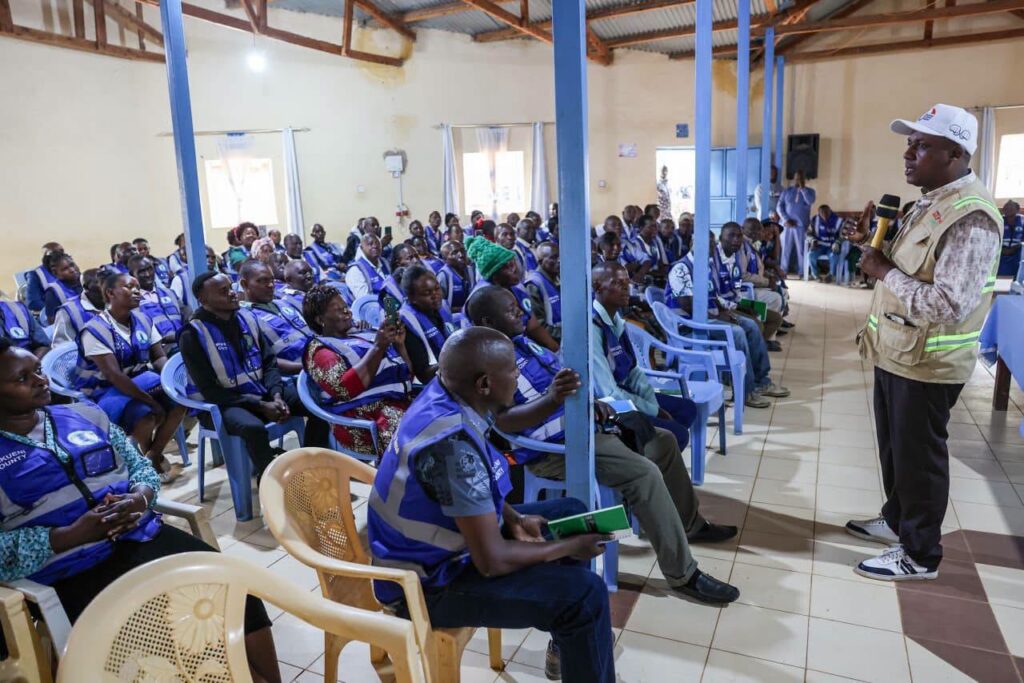
COUNTY STEPS UP MANGO UPTAKE TO CUT LOSSES AND BOOST FARMER EARNINGS

Makueni County has intensified mango off-taking through the Makueni County Fruit Development and Marketing Authority (MCFDMA) to reduce post-harvest losses and ensure equitable uptake across all wards.
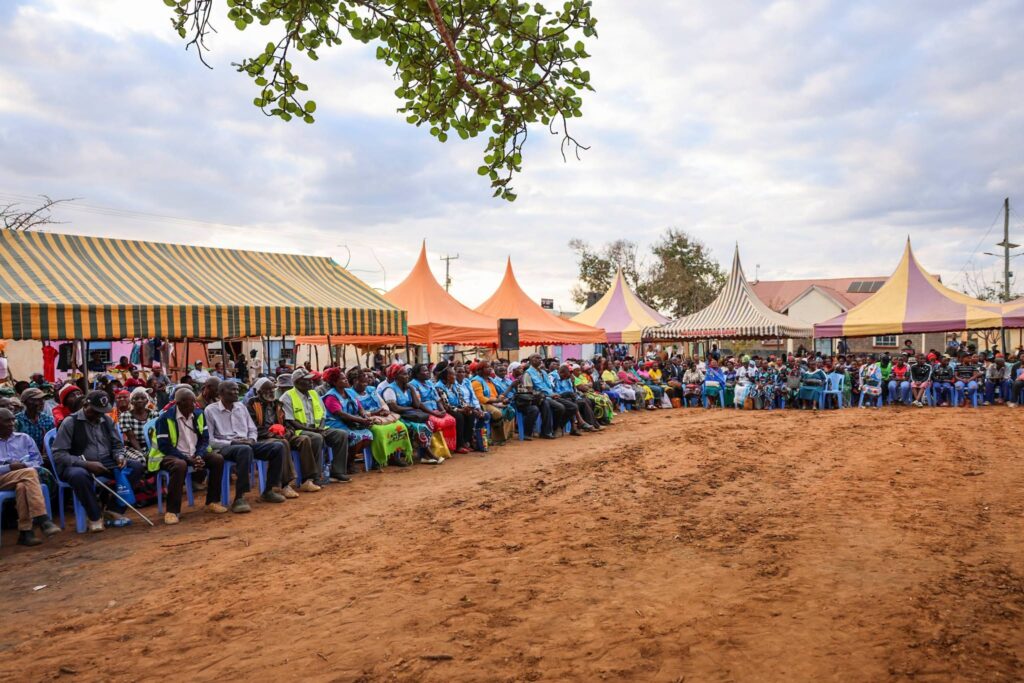
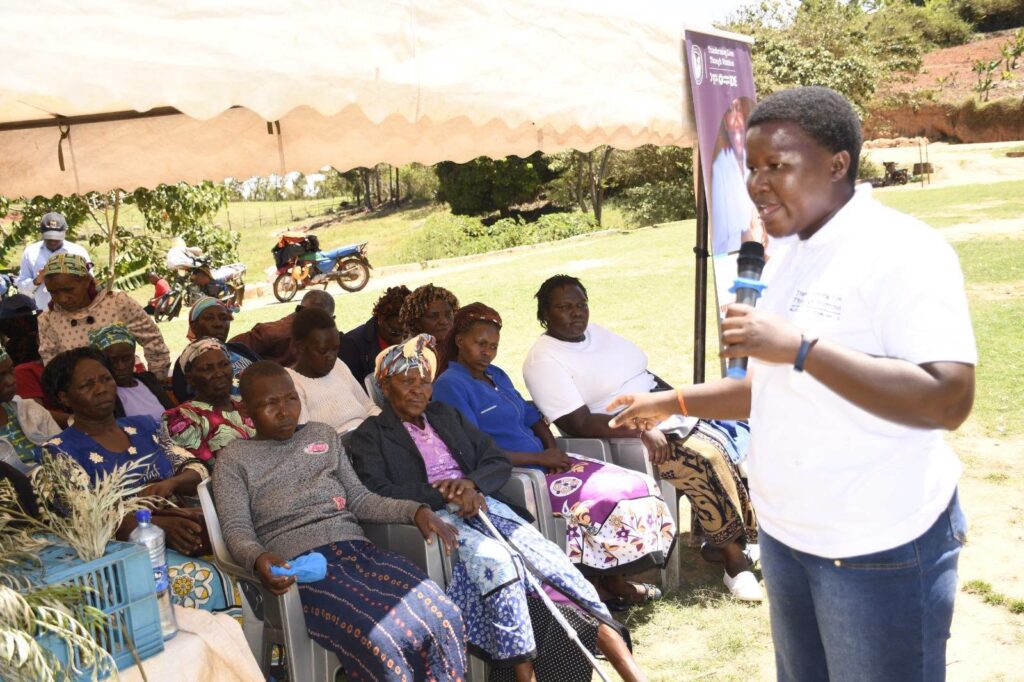
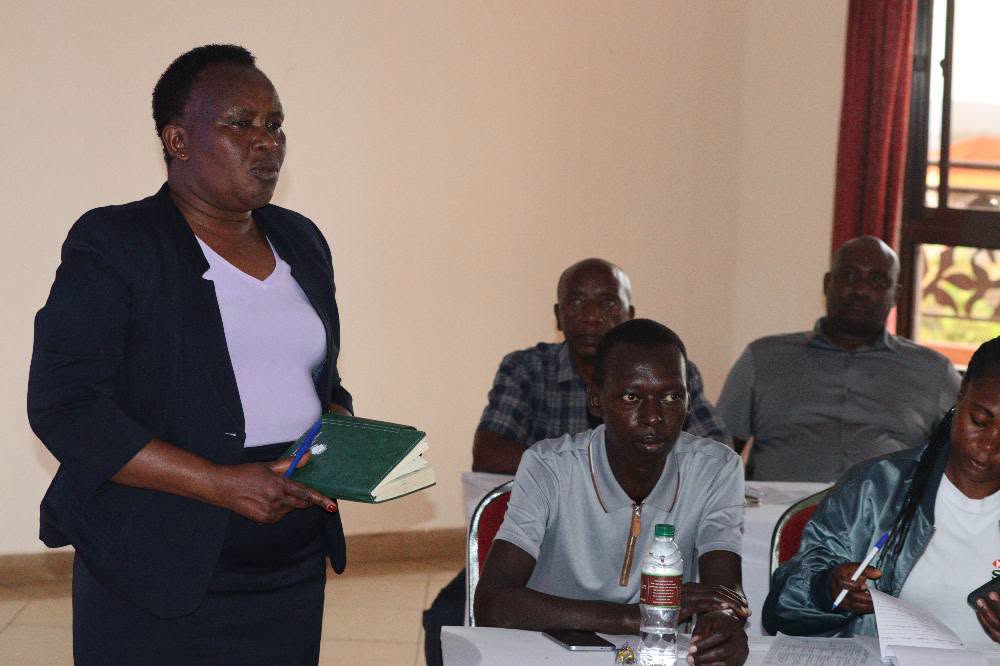
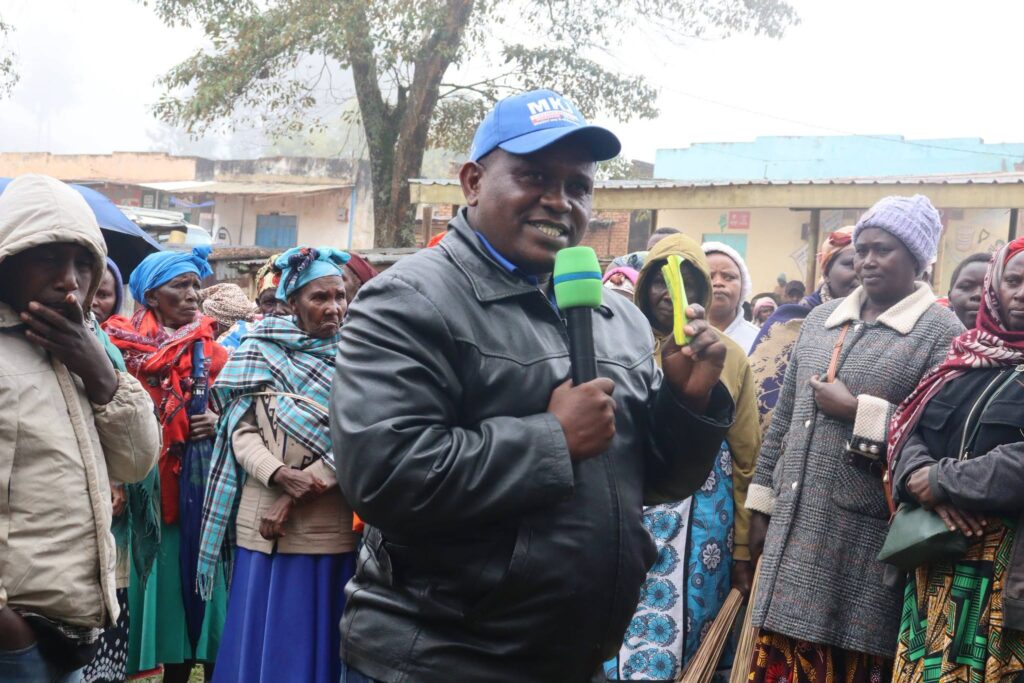
Speaking during a public participation forum at Kalawani Cold Store and Pack House, Agriculture CECM Liz Muli firmly stated that the county has deliberately structured an allocation for every ward to ensure farmers directly benefit from their produce.
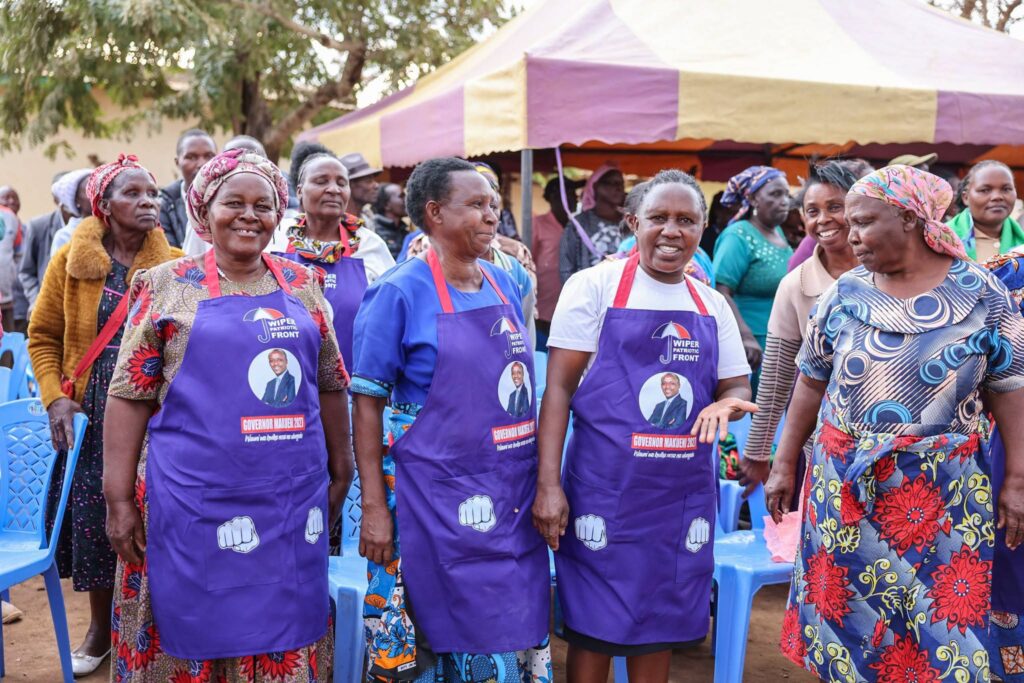
She further committed that the department has established a multi-agency taskforce to strictly verify mango uptake and safeguard local farmers from exploitation and safeguard county farmer interests.

Supporting the initiative, Tulimani Ward MCA Kyalo Mumo assured robust Assembly oversight to ensure Kalamba Processing Plant benefits local farmers.

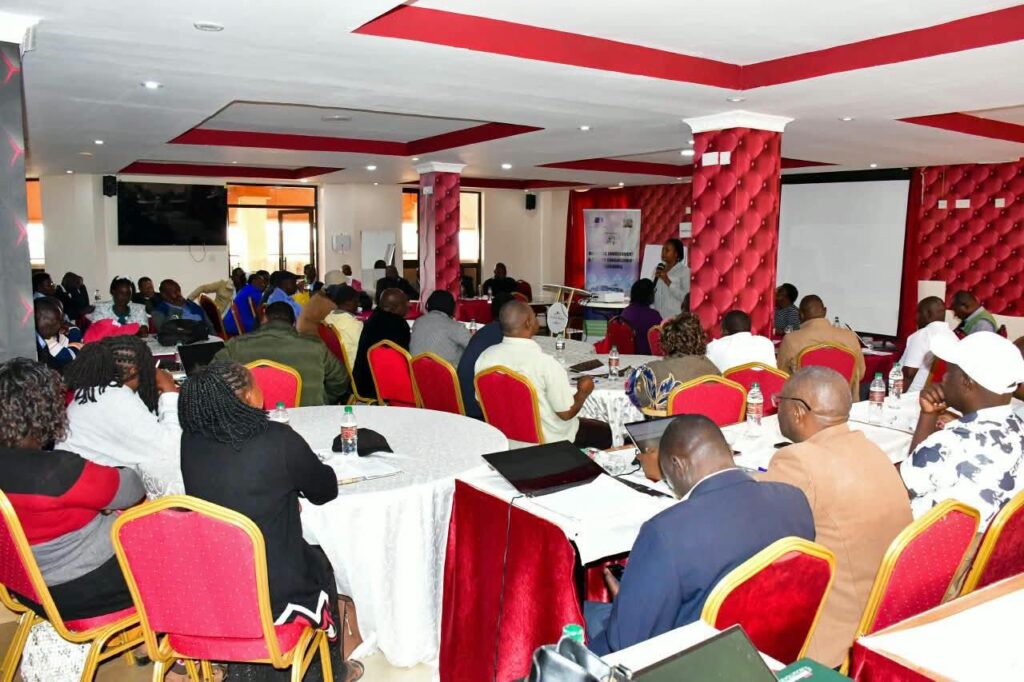
The sensitization forum organized by Trademark Africa, aims to operationalize the facility, strengthen aggregation, stabilize markets, and advance Governor Mutula Kilonzo Jr’s household economic empowerment agenda.

MTITO ANDEI FARMERS RECEIVE IMPROVED GALLA GOATS

Farmers in Mtito Andei Ward have received improved Galla goats to enhance livestock productivity and boost household incomes.

The 55 goats, funded through ward projects under the Agriculture Department, are aimed at improving breed quality, increasing resilience to harsh climatic conditions and economic boost.

The issuance exercise, led by Livestock, Fisheries and Cooperative Development Chief Officer Japheth Kiminza together with area MCA Francis Mulwa Mwania, demonstrated a shared commitment to farmer empowerment.

The program aligns with Governor Mutula Kilonzo Jr’s agenda to economically empower households and strengthen livestock production across the county.

MAKUENI GETS READY AHEAD OF MANGO PEAK SEASON.

Are you a mango farmer in Makueni County seeking a reliable and fair market for your produce? The Makueni County Fruit Development and Marketing Authority is now ready to receive mangoes from farmers across the county as from Thursday this week.

Under the new arrangement, contracted cooperatives will purchase mangoes directly from farmers at the farm gate at KSh 19 per kilogram.

In the current financial year, the county government plans to purchase mangoes worth KSh 13.9 million, up from KSh 11 million spent in the previous financial year.

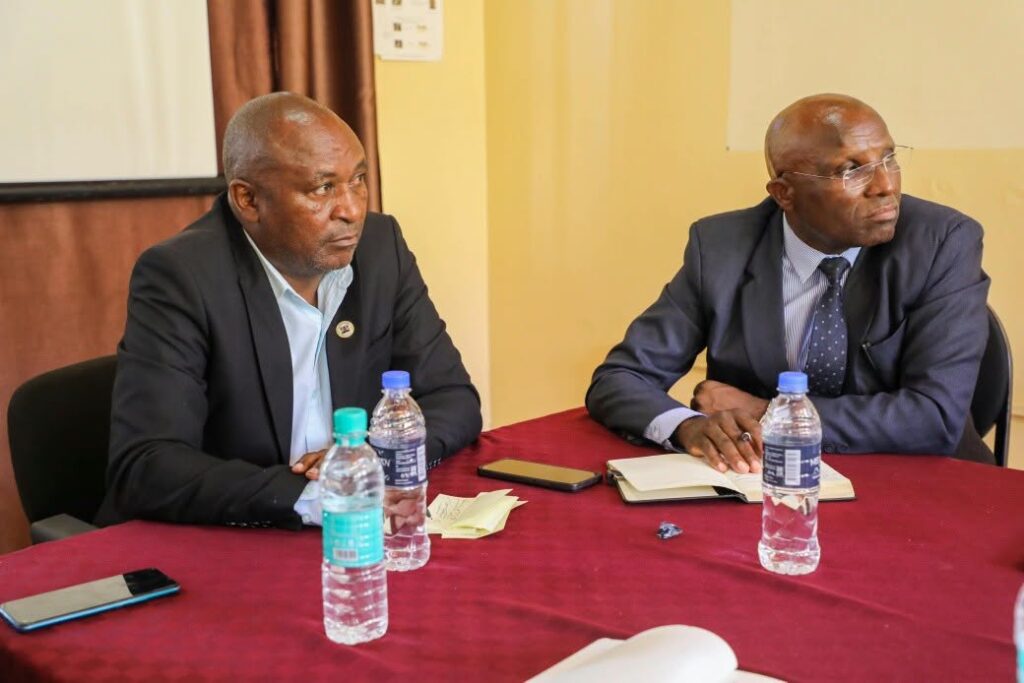
Speaking during a meeting chaired by deputy governor Lucy Mulili at the Kalamba fruit processing plant on Tuesday, CECM for Agriculture Elizabeth Muli said seven contracted cooperatives have been allocated specific zones from which to source mangoes.

Each cooperative is expected to deliver at least 50 metric tonnes of mangoes weekly to the factory which has a daily processing capacity of 70 metric tonnes.

The Authority’s Chief Executive Officer Joseph Kioko reported that at least 60 casual workers have been engaged at the plant during the processing period.

To protect farmers from exploitation by middlemen, who previously purchased produce at low prices, the Authority has introduced official pricing schedules.

These schedules will be signed by farmers upon sale of their produce to ensure transparency and accountability.

The initiative is part of Governor Mutula Kilonzo Jr.’s administration’s efforts to grow household incomes and promote trade & industrialization through agro processing.

MAKUENI BETS BIG ON POULTRY FARMING

Deputy Governor Lucy Mulili on Monday led the launch of the “Mifugo ni Mali project” at the Agricultural Training Centre (ATC) in Kwakathoka, marking a major boost for poultry farming in Makueni County.

The initiative, implemented in partnership with the KCB Foundation, is designed to strengthen poultry production through rigorous farmer training, coaching and mentoring, alongside regular farm inspections to ensure quality and sustainability.

At the launch, 17 farmers including women, youth and persons with disabilities, each received 300 vaccinated one-day-old chicks to kick-start and expand their enterprises.

The programme is anchored on an MOU between the County Government of Makueni and the KCB Foundation, under which the foundation supports the growth of small and medium enterprises through business development, with the aim of creating wealth and employment, particularly among women and young people.

Under the partnership, the county government will provide continuous extension services, veterinary support and access to existing cold chain and vaccine-handling infrastructure to participating farmers, strengthening production and disease control at the grassroots.

According to Mulili, Poultry farming remains the most widespread livestock enterprise in Makueni, with about 85 per cent of farmers rearing poultry. Mulili further notes that the County statistical abstract data validated in 2023 indicates that the poultry subsector was valued at KSh 3.77 billion in 2022, supported by an estimated 1.57 million birds.

This, she says, reflects a growth of 55 per cent since 2013, underscoring the sector’s rising contribution to household incomes and food and nutrition security.

The County Executive Committee Member in charge of Agriculture Elizabeth Muli noted that the department has also been intensifying efforts to transform poultry production, including increasing the productivity of local chicken from an average of 45–60 eggs per hen per year to between 120 and 180 eggs.

According to Muli, More than 240 incubators are currently operational across the county, producing between 100 and 1,056 chicks per cycle, while 476 village-level vaccination service providers have been trained and equipped to strengthen disease control.

Through the collaboration with the KCB Foundation, the county aims to stimulate further growth in the poultry value chain, improve linkages in input supply and markets, and enhance incomes and livelihoods for farming households across Makueni.

KCB Human Resource Manager Kenya, Cleophas Ambira and the area MCA Elizabeth Mutinda graced the occasion.

BEEKEEPERS BOOST SKILLS IN ONGOING BEE PRODUCTS VALUE ADDITION TRAINING

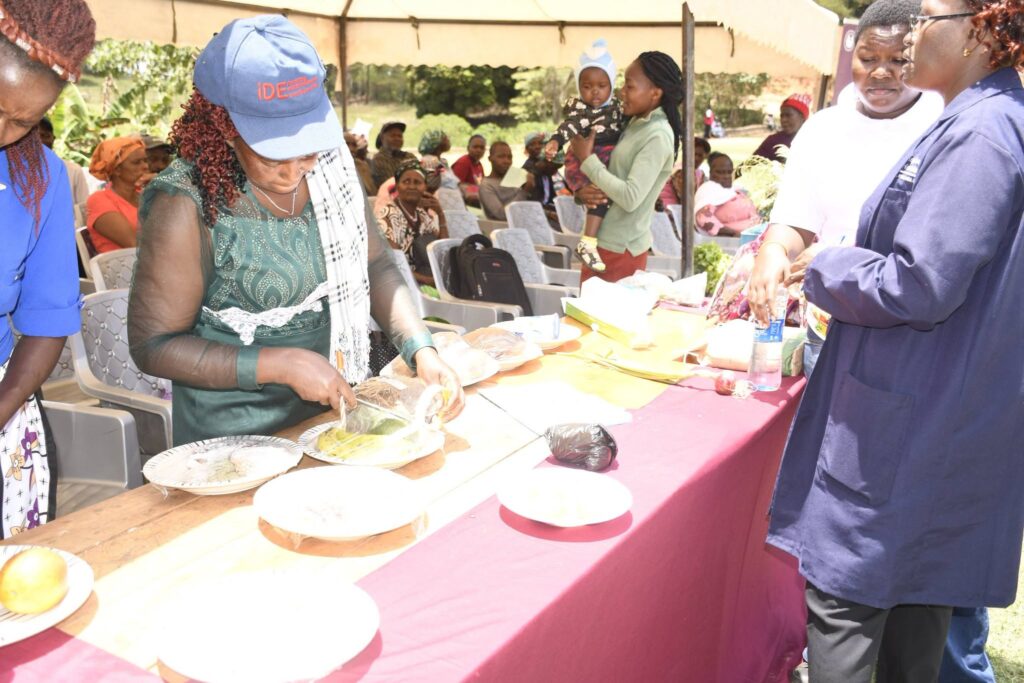
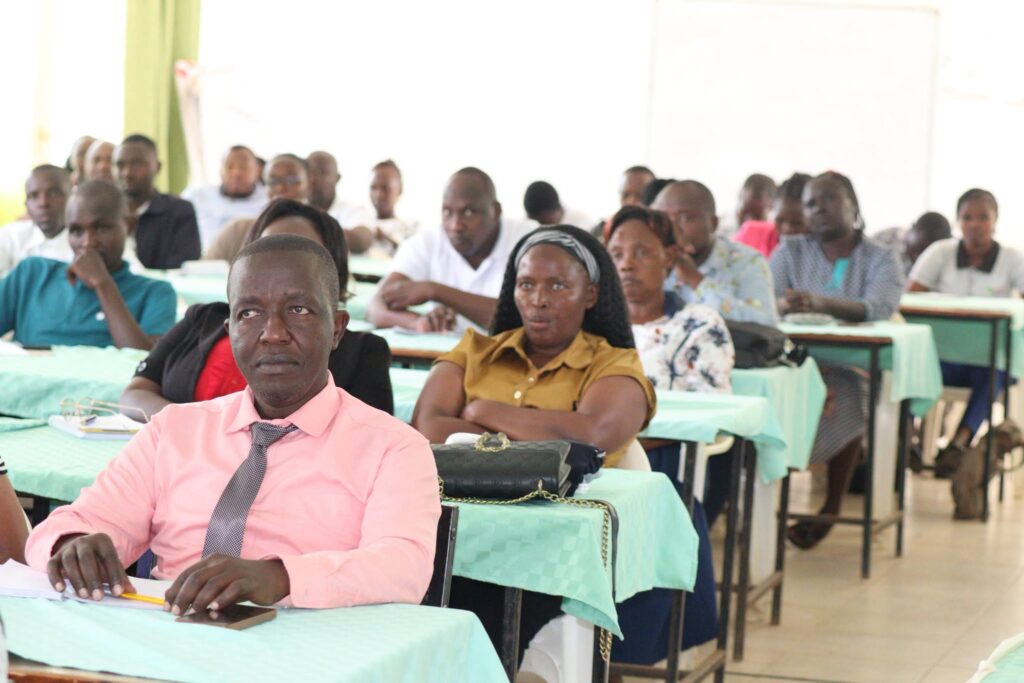
A transformative Value Addition of Bee Products Course (VABPC) is currently underway in Makueni County, bringing together local beekeepers, and honey processors for an intensive week of practical learning.

The training, jointly implemented by the World Food Programme (WFP) and the Government of Makueni County, is equipping participants with hands-on skills to elevate the quality, diversity, and marketability of bee products.

Throughout the week, trainees are engaging in sessions on food safety, legal compliance, and honey-based product development, including the preparation of comb, chunk, cream, and flavoured honey.

Practical lessons on propolis processing and beeswax product making—such as soaps, candles, starter combs, lip balms, and aloe vera or honey-infused creams—are taking centre stage as participants work in groups to refine their craftsmanship.

In addition to technical skills, the programme is strengthening business capacity through modules on budgeting, and debt and credit management.

Additionally, the training empowers participants with post-processing techniques, focusing on proper packaging, labelling and storage to help beekeepers access higher-value markets.

MAKUENI STEPS UP FIGHT AGAINST LIVESTOCK DISEASES

Livestock remains a backbone of livelihood, food security, and economic growth in Makueni, yet recurring zoonotic diseases such as Rift Valley Fever, Anthrax, Rabies and brucellosis continue to pose serious risks.

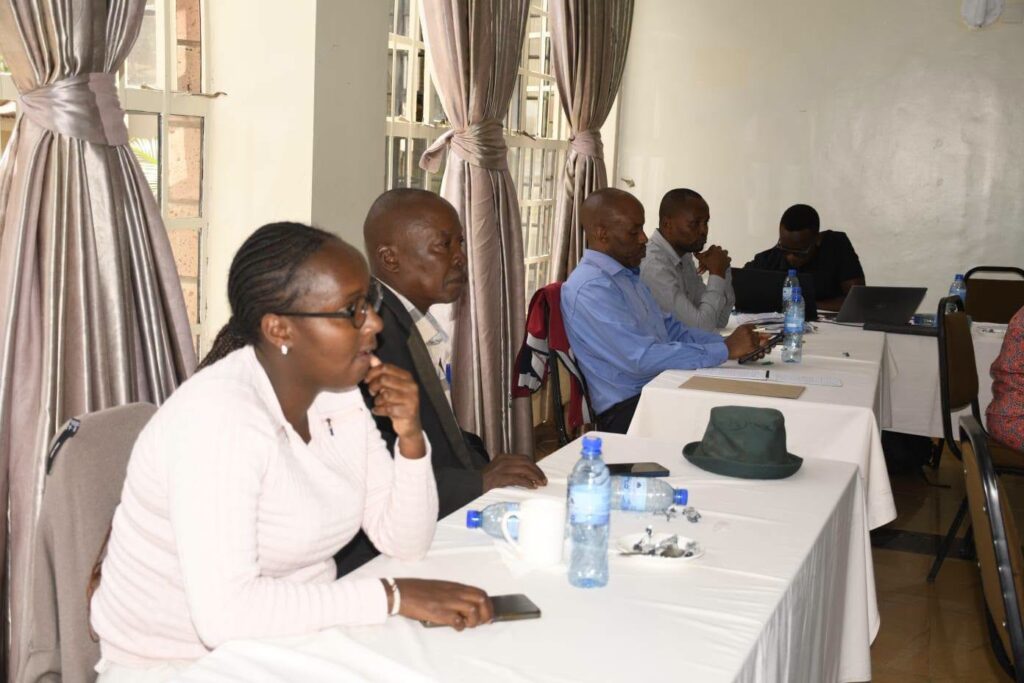
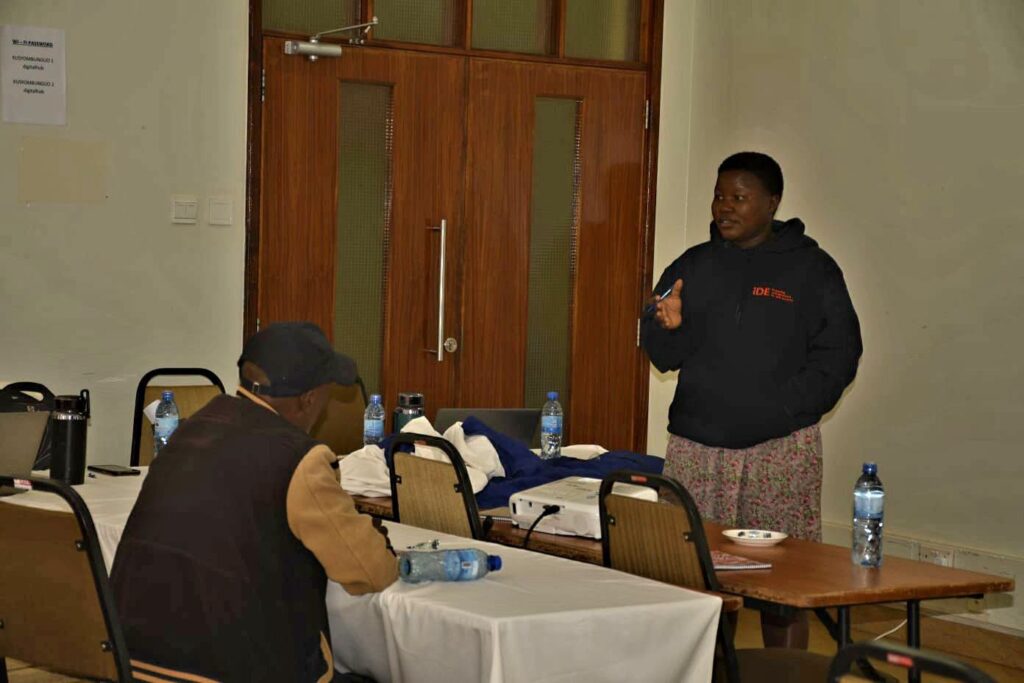
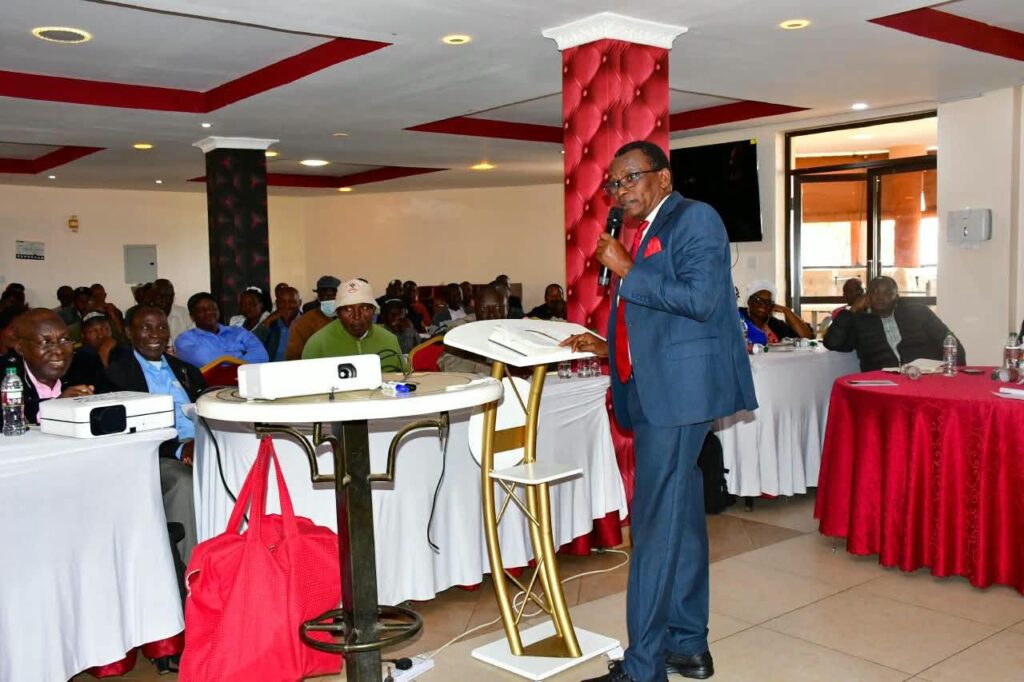
To strengthen early detection and response, the Department of Agriculture, Livestock, Fisheries and Cooperative Development, in partnership with INADES Formation Kenya (I.F.K) through the Brooke East Africa program, on Tuesday opened a two-day training workshop for County Veterinary Officers in Kathonzweni on livestock disease surveillance and reporting.

The workshop under the One Health – which is a collaborative, multisectoral and transdisciplinary approach that recognizes the health of people is closely connected to the health of animals, is a training on continuous monitoring, recording and sharing of any unusual livestock health events.

Attending the training, CECM Agriculture Elizabeth Muli, said the strengthened disease surveillance and reporting system will allow swift intervention on livestock health issues before they escalate into full-blown crises.

With Makueni’s climate variability and frequent droughts increasing disease risks, the program—supported by WHO, FAO, WOAH, UNEP and the One Health Expert Panel— aims to help veterinarians detect outbreaks early, trace infection sources, and protect both animals and people.

KILIMO MAKUENI: DIGITAL PLATFORM SET TO TRANSFORM FARMING IN THE COUNTY

Makueni County has introduced Kilimo Makueni, an innovative digital platform designed to elevate agricultural service delivery and empower farmers through real-time data.

The platform enables farmers to directly input real-time, accurate data on key agricultural issues and challenges, allowing the Department of Agriculture, Livestock, Fisheries and Cooperative Development to provide precise support, interventions, inputs and training exactly where they are needed.

Open to the public, the system (https://kilimo.makueni.go.ke/views/) highlights common farmer interests, tracks progress made in the sector and guides the department on areas that require improvement.

In an era of rapid technological advancement, Kilimo Makueni is part of the county’s vision to make agricultural support accessible on any phone—enhancing information access, boosting decision-making and transforming agriculture for economic growth.

DRIVING MANGO EXCELLENCE: MAKUENI’S EXPORT PUSH

The County Government of Makueni is stepping up efforts to empower mango farmers and strengthen their access to export markets.

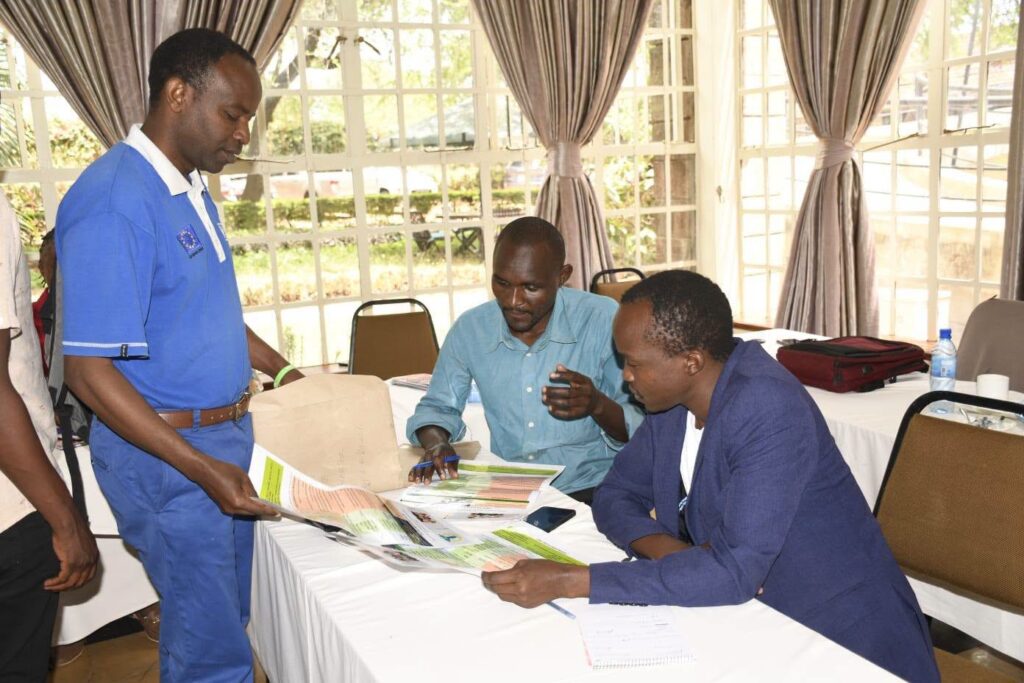
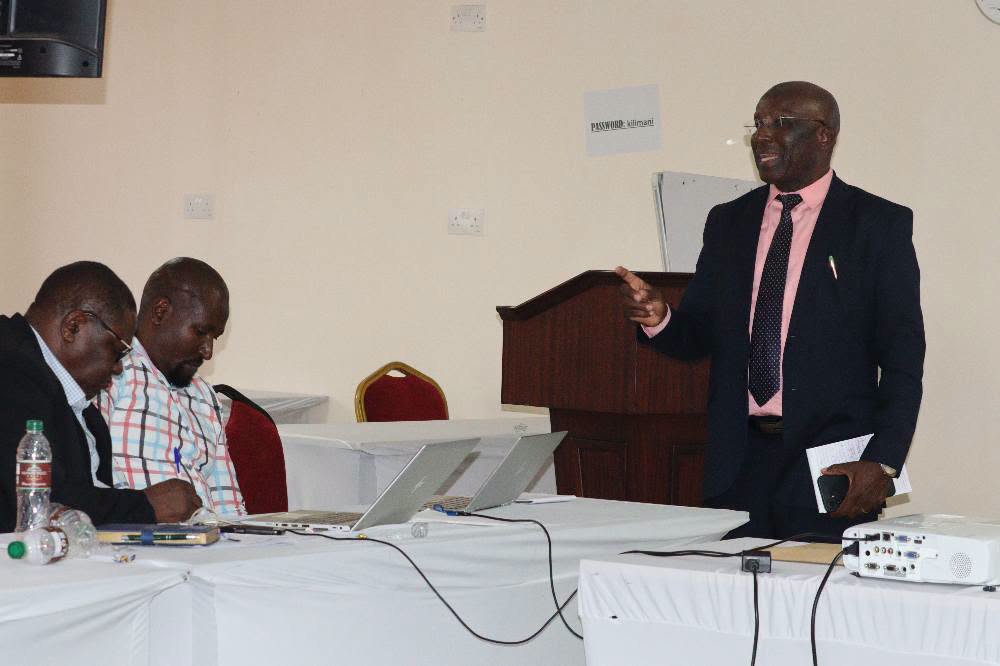
On Friday morning, a team of experts from KEPHIS and TradeMark Africa paid a courtesy call to CECM for Agriculture, Livestock, Fisheries and Cooperative Development, Elizabeth Muli, to review ongoing support programs for farmers.

Led by KEPHIS Plant Health Inspector Dorcas Mugambi and TMA’s Programmes Manager on Market Systems Elizabeth Gathogo, the meeting discussed the ongoing countywide programme on identifying and managing pests of concern, and training farmers on export market requirements.

The one-week exercise is being conducted across several wards, bringing training closer to farmers organized in groups.

While speaking to the team, CECM Muli reaffirmed the county’s strong commitment to equipping farmers with continuous training and support, enabling them to produce high-quality mangoes that meet the standards of competitive export markets.

As part of the exercise, KEPHIS officers working alongside county agriculture staff visited selected farms to assess zones mapped as area of low-pest-prevalence for mango production for export market.

During these field visits, farmers benefit from direct pest surveillance, tailored advisory services, and hands-on demonstrations on pest identification and management to improve the health and quality of their orchards.

MAKUENI FEEDLOT SUCCESS DRAWS GLOBAL ATTENTION FROM URUGUAY EXPERTS

Deputy Governor Makueni-H.E Lucy Mulili on Wednesday led a high-level delegation from Uruguay’s National Institute of Agricultural Research, accompanied by national government officials, on a tour of the Sand River feedlot farm in Sultan Hamud, an expansive 200-acre model showcasing advanced feedlot and fodder production systems.

Uruguay, renowned globally for its expertise in livestock genetics, feed technologies, and pasture-based beef systems, is exploring opportunities for collaboration to enhance feedlot performance, strengthen expert training, and establish demonstration sites in Kenya.

Makueni is currently implementing an animal feed strategy aimed at ensuring farmers have access to consistent, affordable, and high-quality feeds that support improved livestock growth and value chain.

During the visit, Uruguay’s Director for the Animal Health Platform commended Makueni for implementing effective policies that have fostered serious beef production.

Agriculture CECM Elizabeth Muli noted that the county has already invested in pasture development across Malili, Kibwezi West, Kathonzweni, Kilome, and parts of Kibwezi East, while also expanding disease surveillance and supporting farmers through subsidized livestock insurance.