Skip to content Skip to left sidebar Skip to footer

Environment

MAKUENI PRAISED FOR FLOCCA PROJECT IMPLEMENTATION

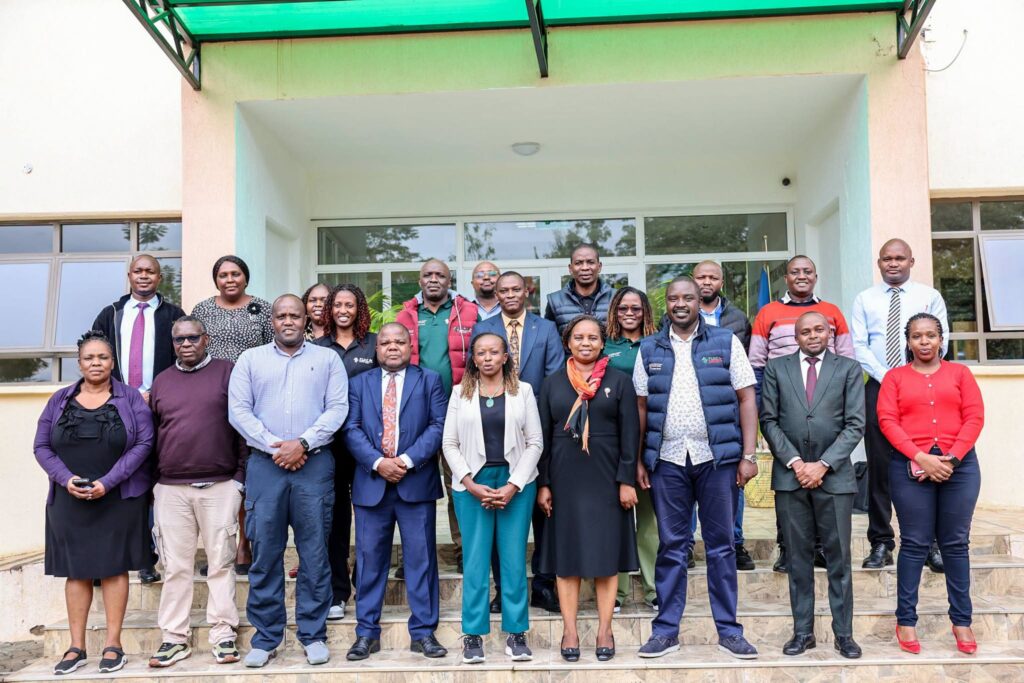
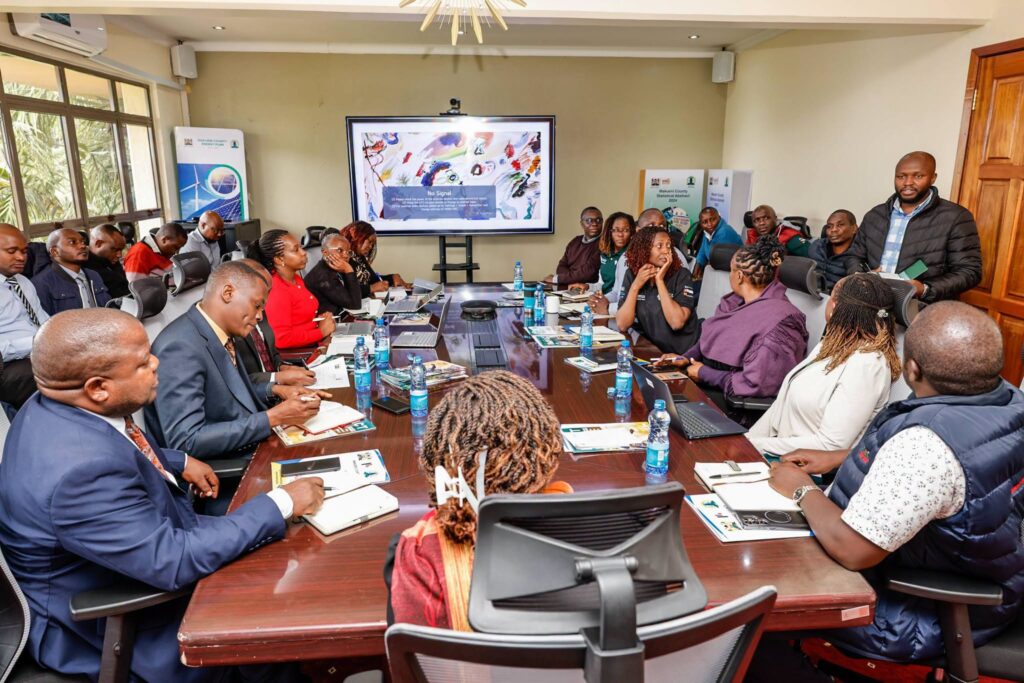
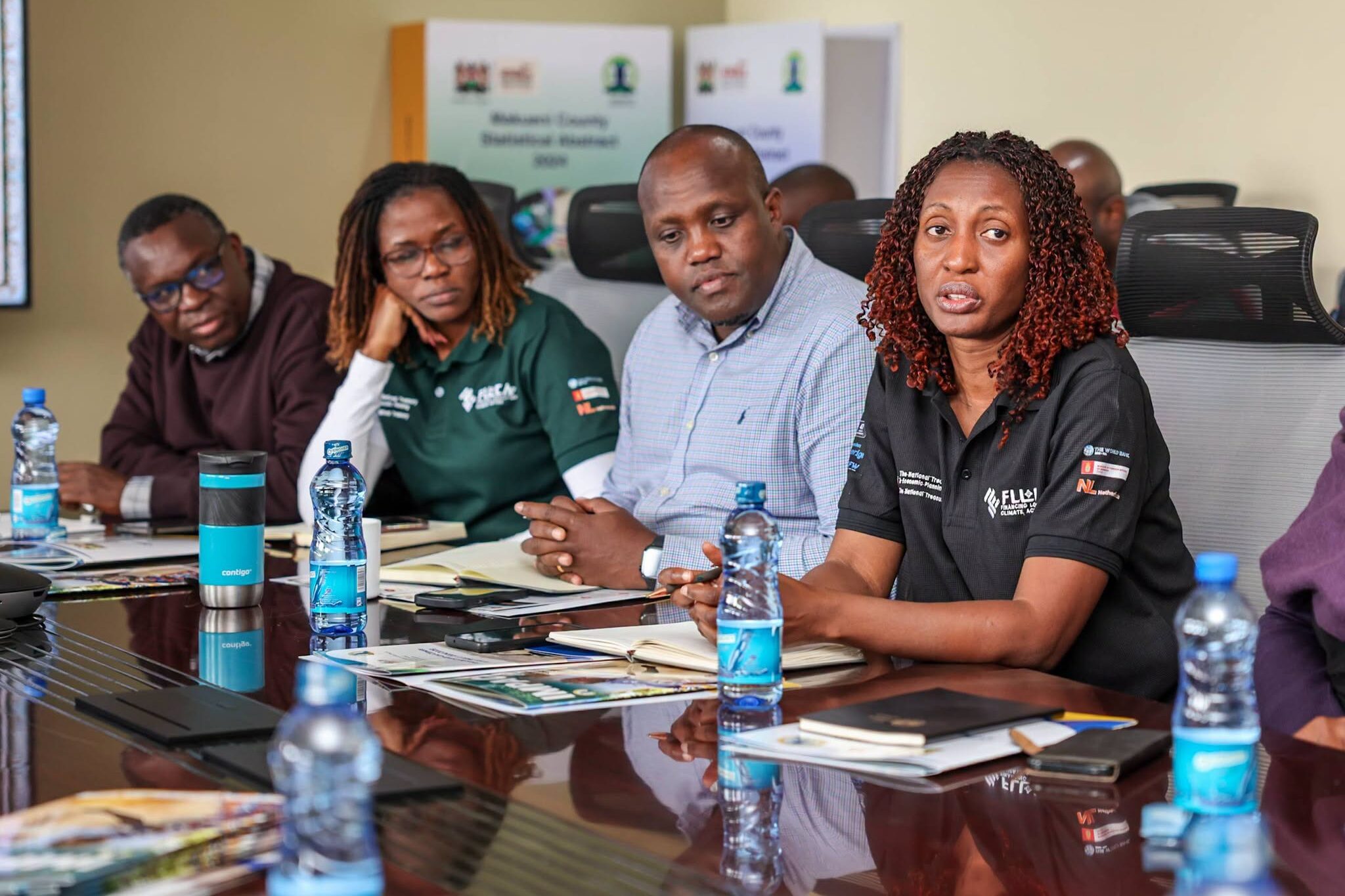
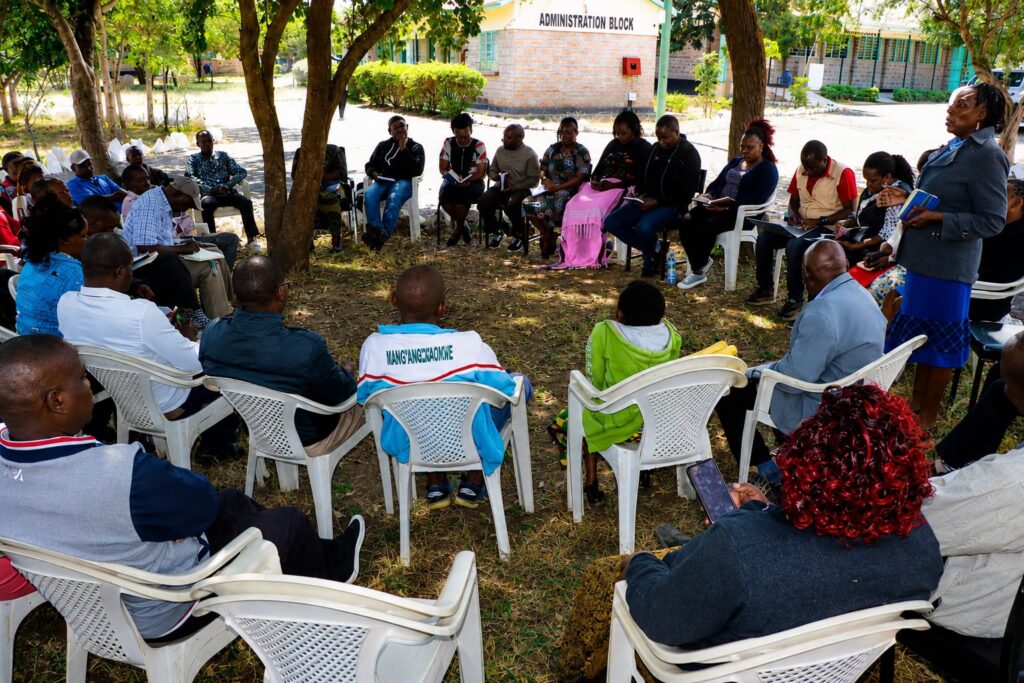
Makueni County has been commended for its integrated approach to implementing projects under the Financing Locally-Led Climate Action (FLOCCA) programme during an implementation support mission by the World Bank team and representatives from partner agencies.

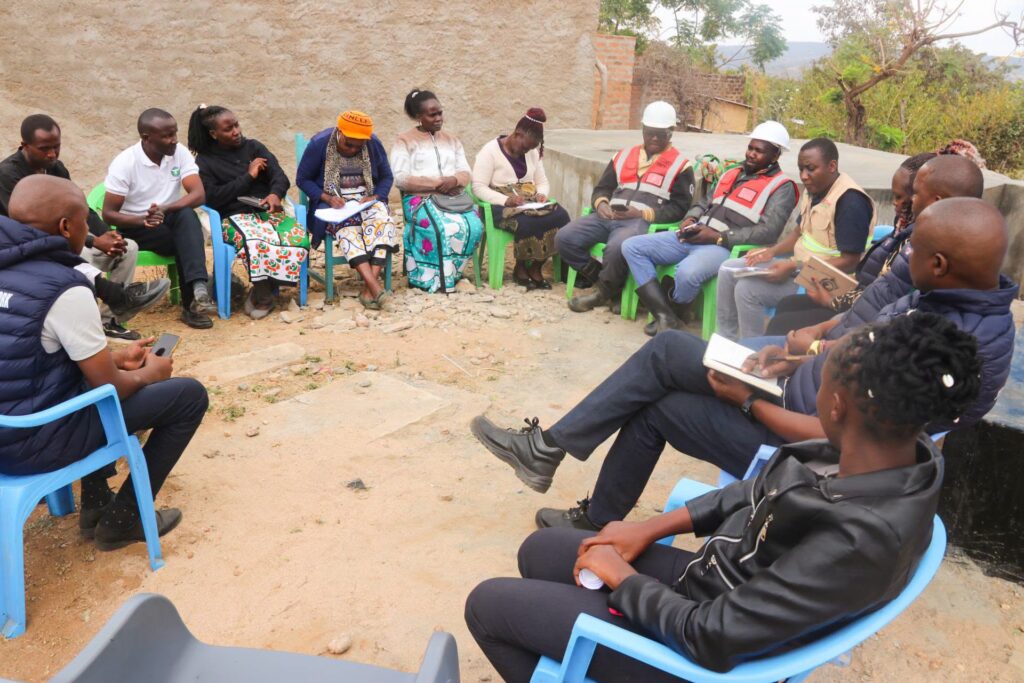
The delegation, led by FLOCCA Programme Manager for County Co-ordination Abraham Barsosui and World Bank Senior Water Engineer Pascaline Wanjiku, paid a courtesy call on the county leadership as part of a mission to review implementation progress and strengthen programme governance. The team included representatives from support agencies, among them the Ethics and Anti-Corruption Commission (EACC).

The team praised the County for integrating agriculture, water and environmental projects, as well as its commitment to documentation and transparency in programme implementation.

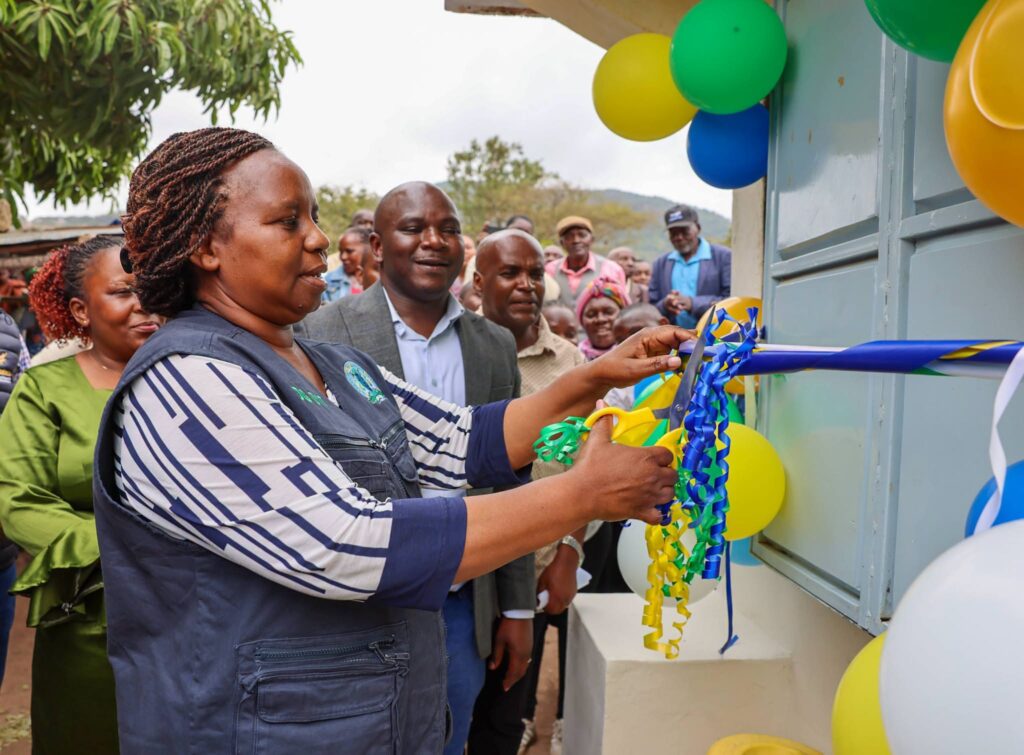
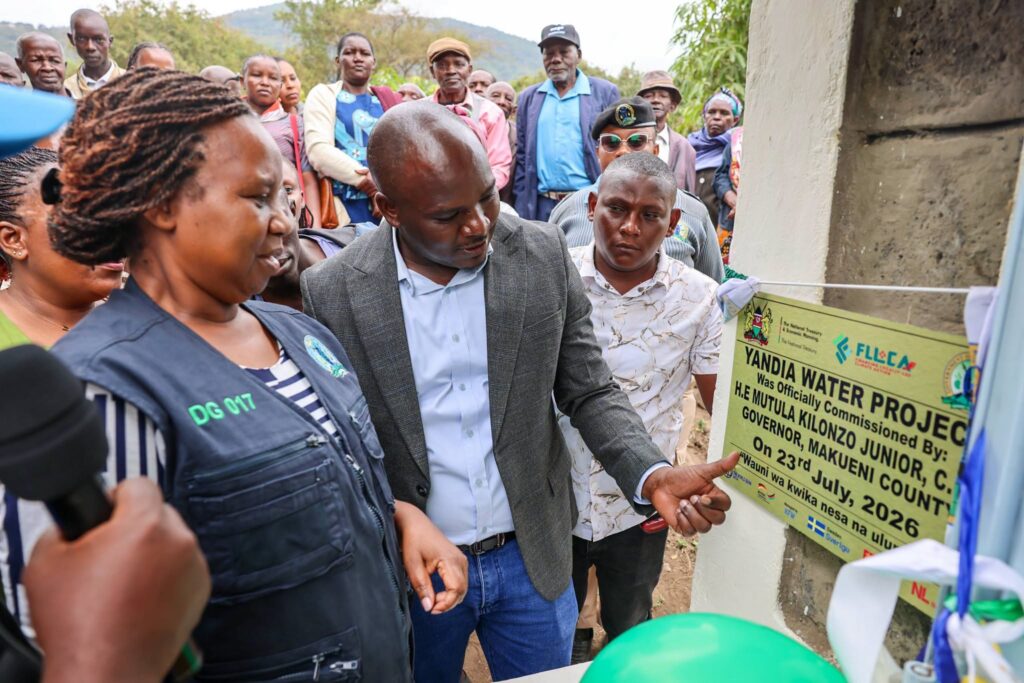
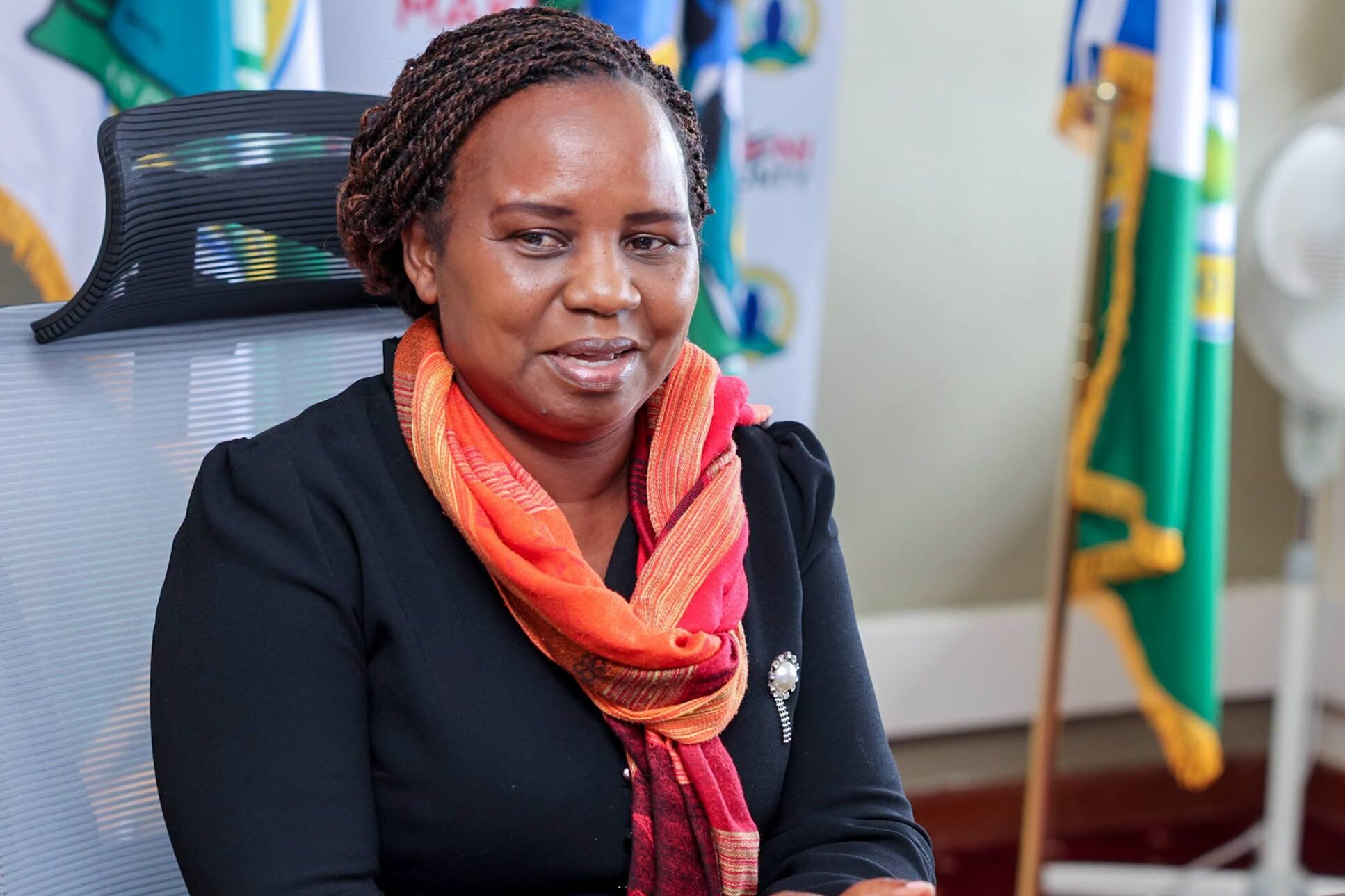
Deputy Governor Lucy Mulili thanked the delegation for its support and reaffirmed the county government’s commitment to completing all FLOCCA-funded projects before the programme ends in December.
She said the projects would have a lasting impact on residents’ livelihoods but raised concern over increasing vandalism of public projects, saying the vice was undermining development efforts.

SH 13 MILLION FLLoCA PROJECT TO TRANSFORM AGRICULTURE IN MBITINI WARD

Mbitini Ward is poised for a major agricultural transformation following the launch of the Muuoni–Mbitini Water Distribution for Agriculture and Livelihood Restoration Project.

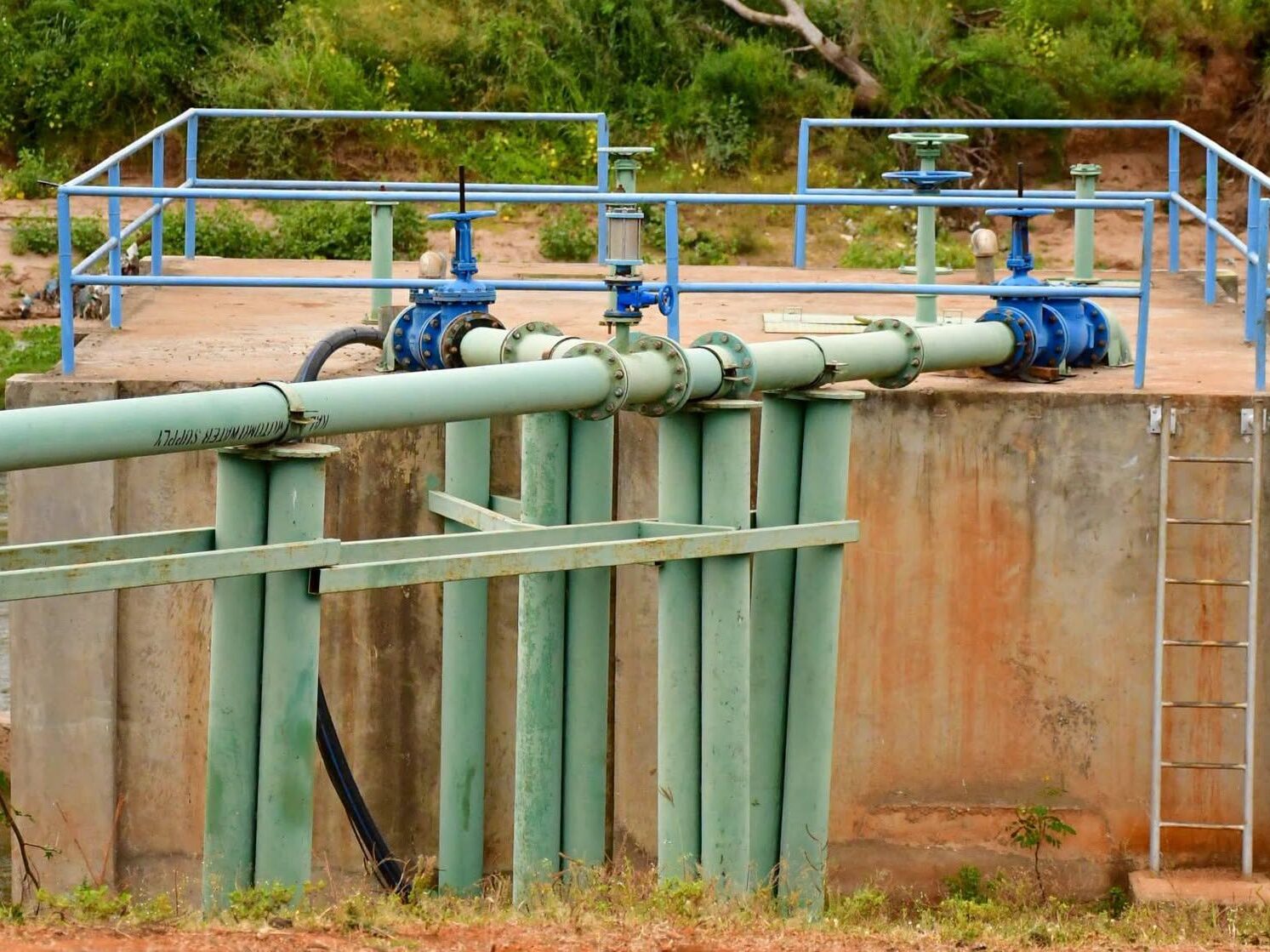
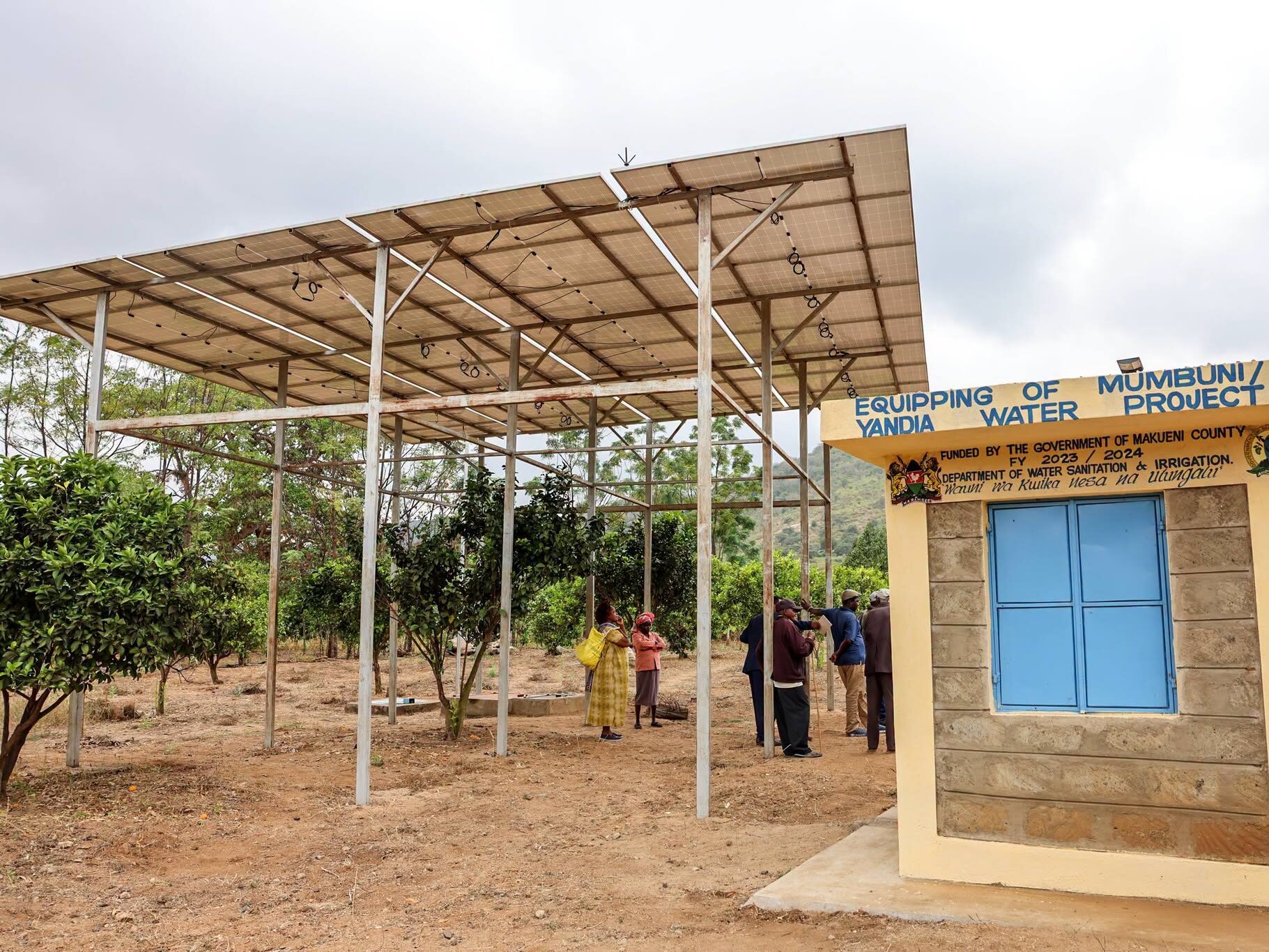
The KSh 13 million project, funded by the Government of Makueni County through the Financing Locally-Led Climate Action (FLLoCA) Programme, will harness water abstracted from the Muuoni River through the construction of a 100,000-litre underground sump and a gravity-fed distribution system to support irrigation at Kavuthu area.

The project is expected to benefit residents of Wenzi, Kwa Ngundo, and Maiden villages, which have long experienced acute water shortages, especially during prolonged dry spells. By providing reliable irrigation water, the initiative will boost horticultural production while promoting banana and avocado cultivation as part of efforts to restore degraded land and diversify household livelihoods.

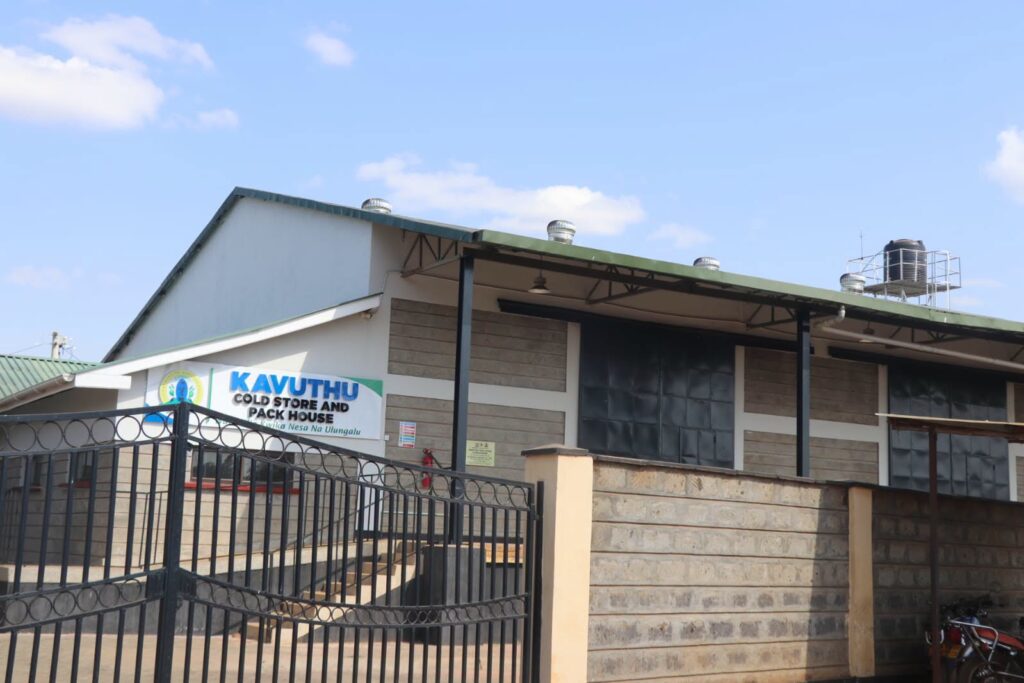
To enhance the value chain, the project will also capitalize on the ward’s existing cold storage facility by training farmers in post-harvest handling, value addition, and market linkages, helping to reduce post-harvest losses, improve produce quality, and increase household incomes.

RASTAFARIAN YOUTH LEADER CHAMPIONS CLIMATE ACTION IN TULIMANI.

𝐅𝐫𝐞𝐝𝐫𝐢𝐜𝐤 𝐊𝐚𝐯𝐚𝐠𝐚𝐥𝐚, popularly known as 𝗠𝘂𝗿𝗮𝘀, the youth representative in the Ngoano Sand Dam Project Management Committee (PMC) at Nthaani Village, Tulimani Ward.

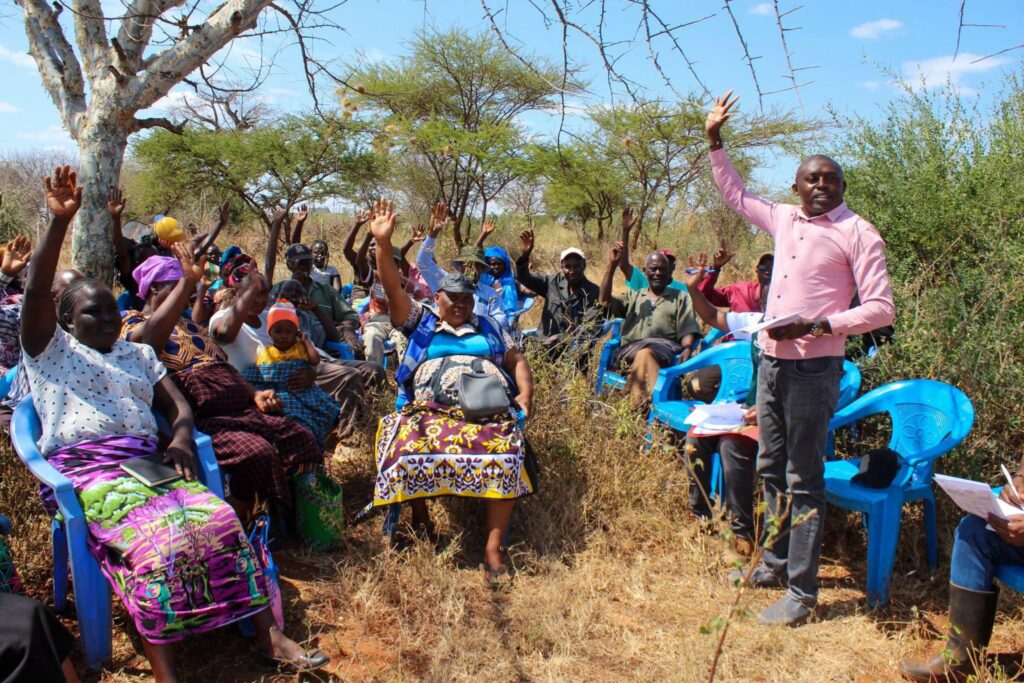
His election by the community was unanimous, a clear vote of confidence in the role of young people in driving local development and climate action. As the youth representative, Muras has pledged to champion the successful implementation of the Ngoano Sand Dam Project and rally fellow youth to embrace climate-smart farming, leveraging the reliable water supply that the project will provide to build resilient livelihoods.

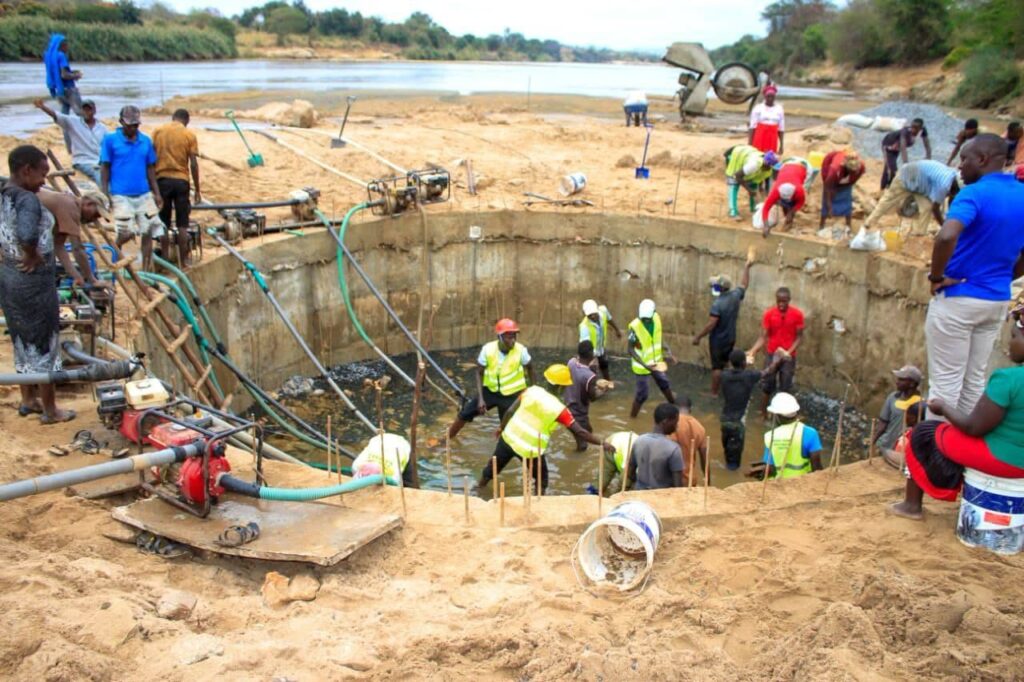
The KSh 10 million project, funded by the Government of Makueni County through the Financing Locally-Led Climate Action (FLLoCA) Programme, is expected to transform livelihoods by providing year-round water for domestic use and irrigation, while supporting climate-smart agriculture through the establishment of coffee, macadamia, and Juncao fodder demonstration farms.

Construction is set to commence this week, marking the beginning of another community-led investment in climate resilience and sustainable development.

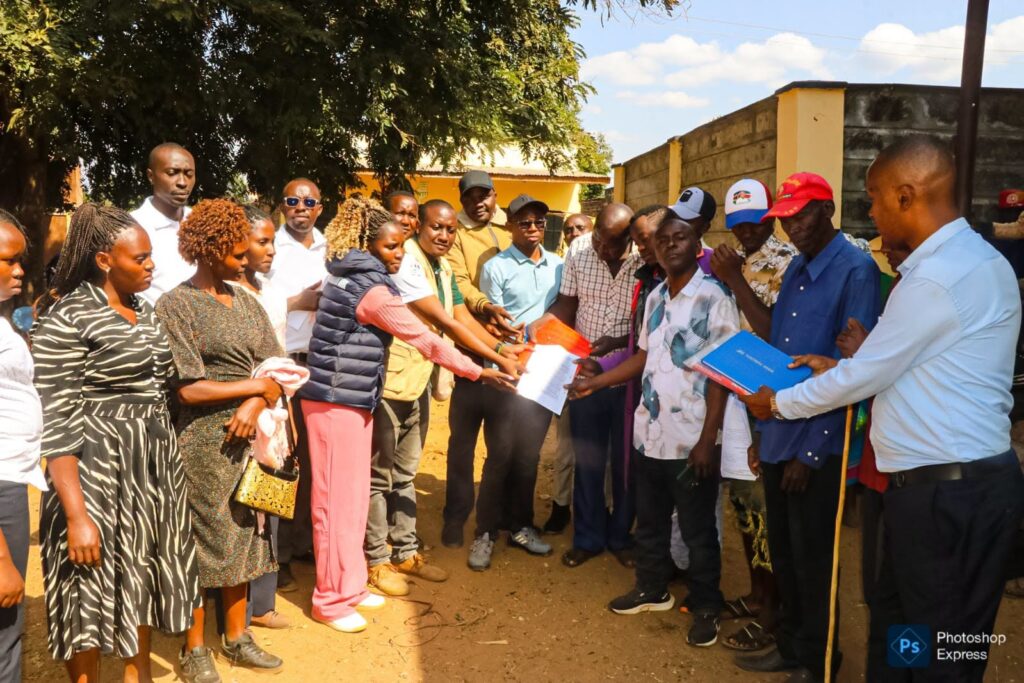
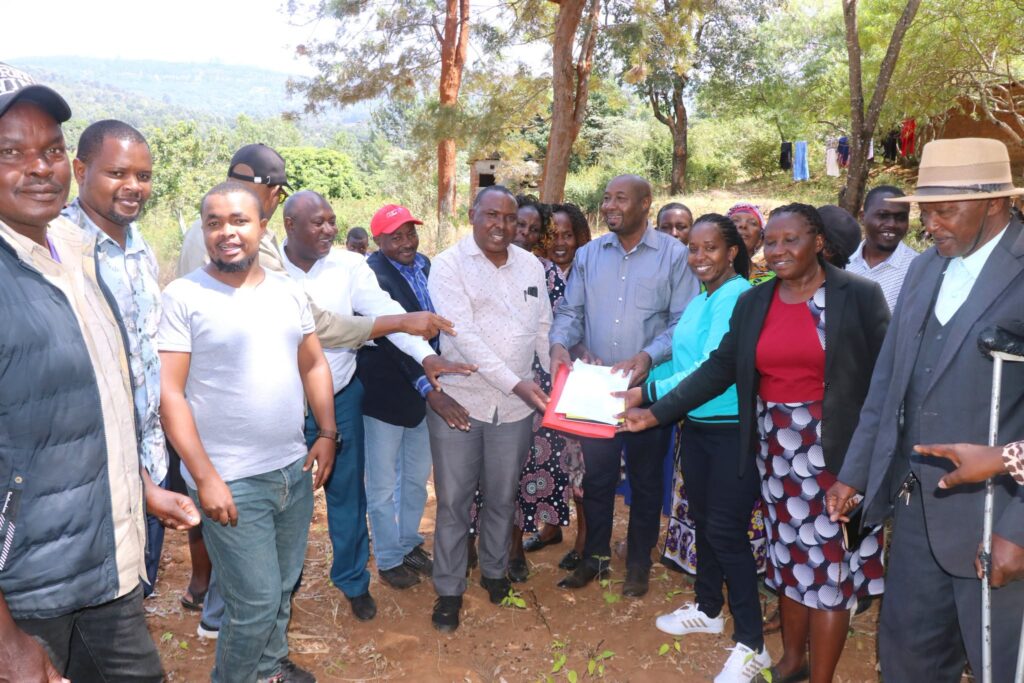
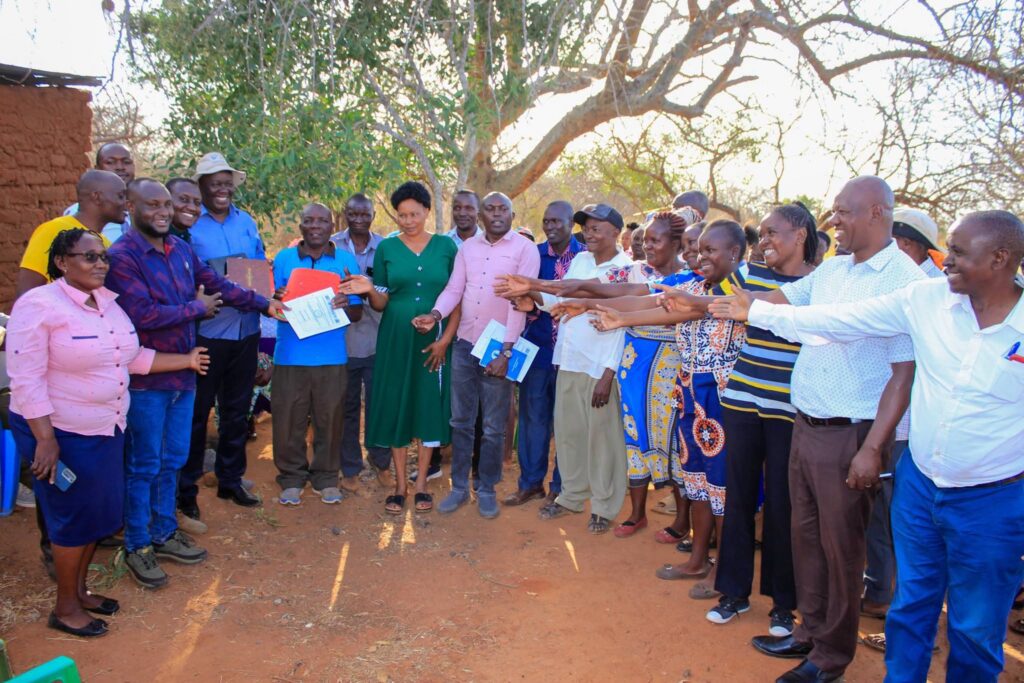
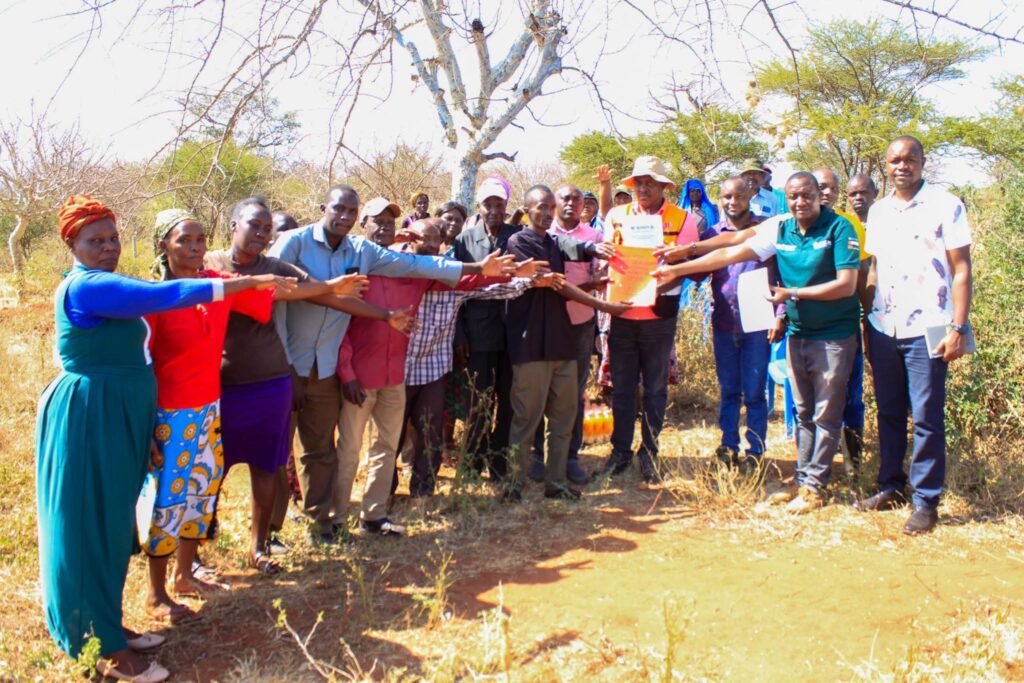
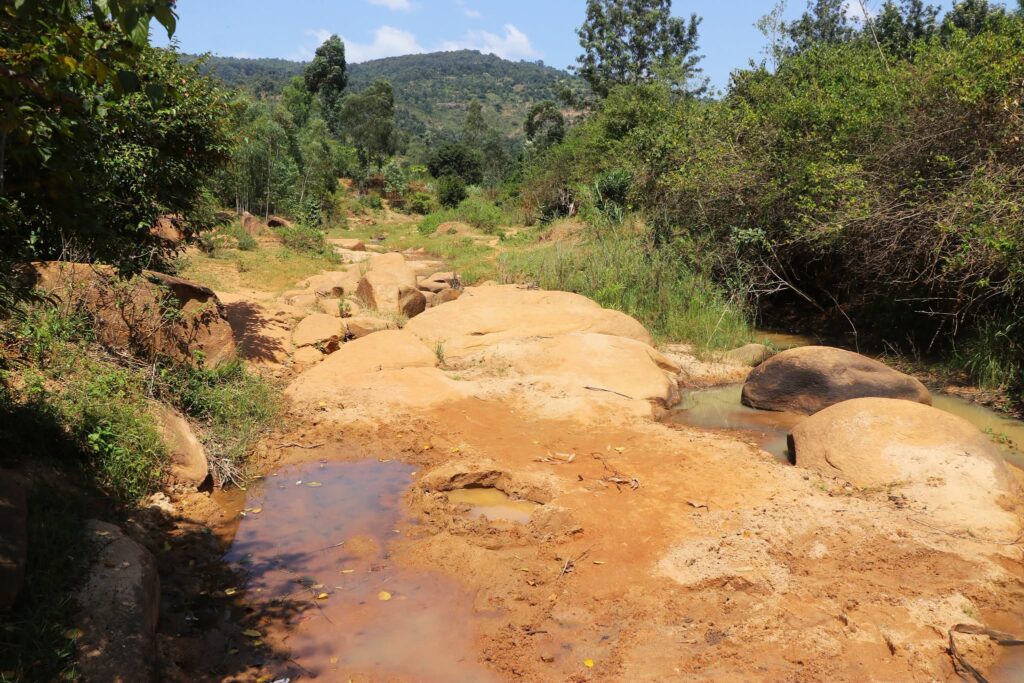
𝐌𝐨𝐫𝐞 𝐩𝐡𝐨𝐭𝐨𝐬: Community site handover and the location where the Ngoano Sand Dam will be constructed.

MULIMA EARTH DAM TO DRIVE CLIMATE RESILIENCE IN MBOONI WARD

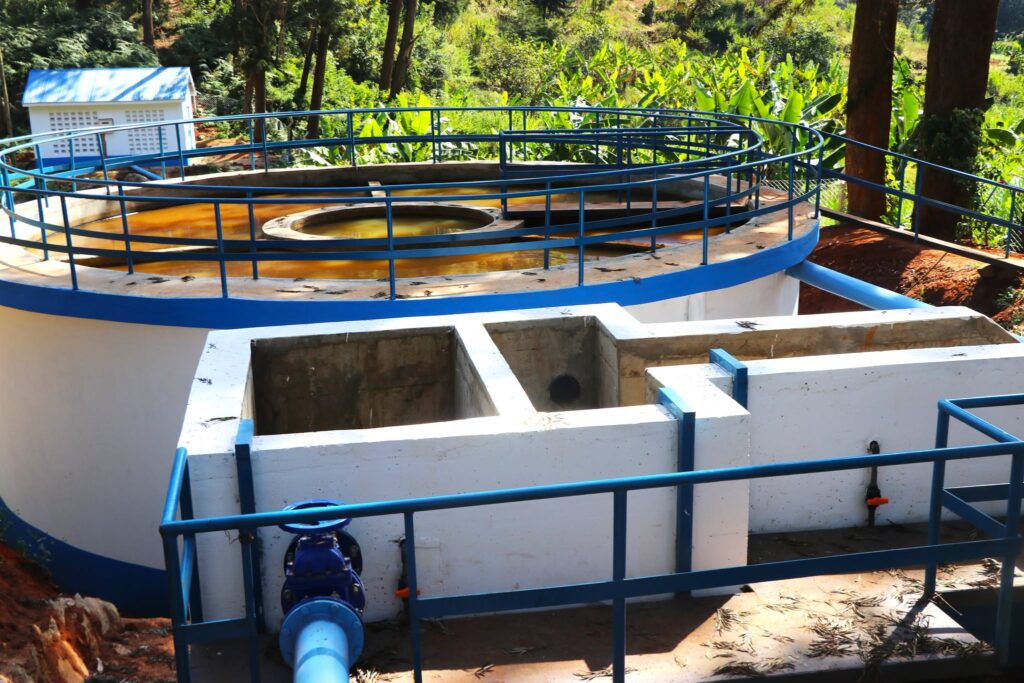
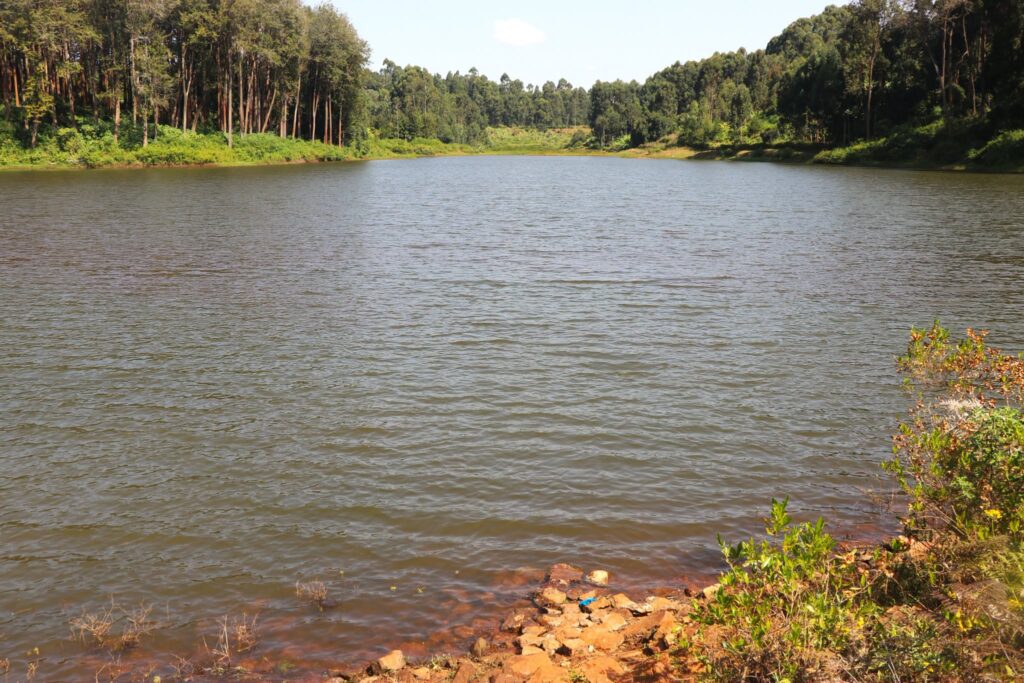
Mulima Earth Dam and its auxiliary water treatment facility in Mbooni Ward are set to anchor a transformative climate resilience initiative under the Financing Locally-Led Climate Action (FLLoCA) Programme.

Through the Climate Change Unit, the Government of Makueni County has launched the Mulima Water Distribution and Livelihood Restoration Project, an integrated investment designed to enhance water security, climate-smart agriculture and sustainable livelihoods.

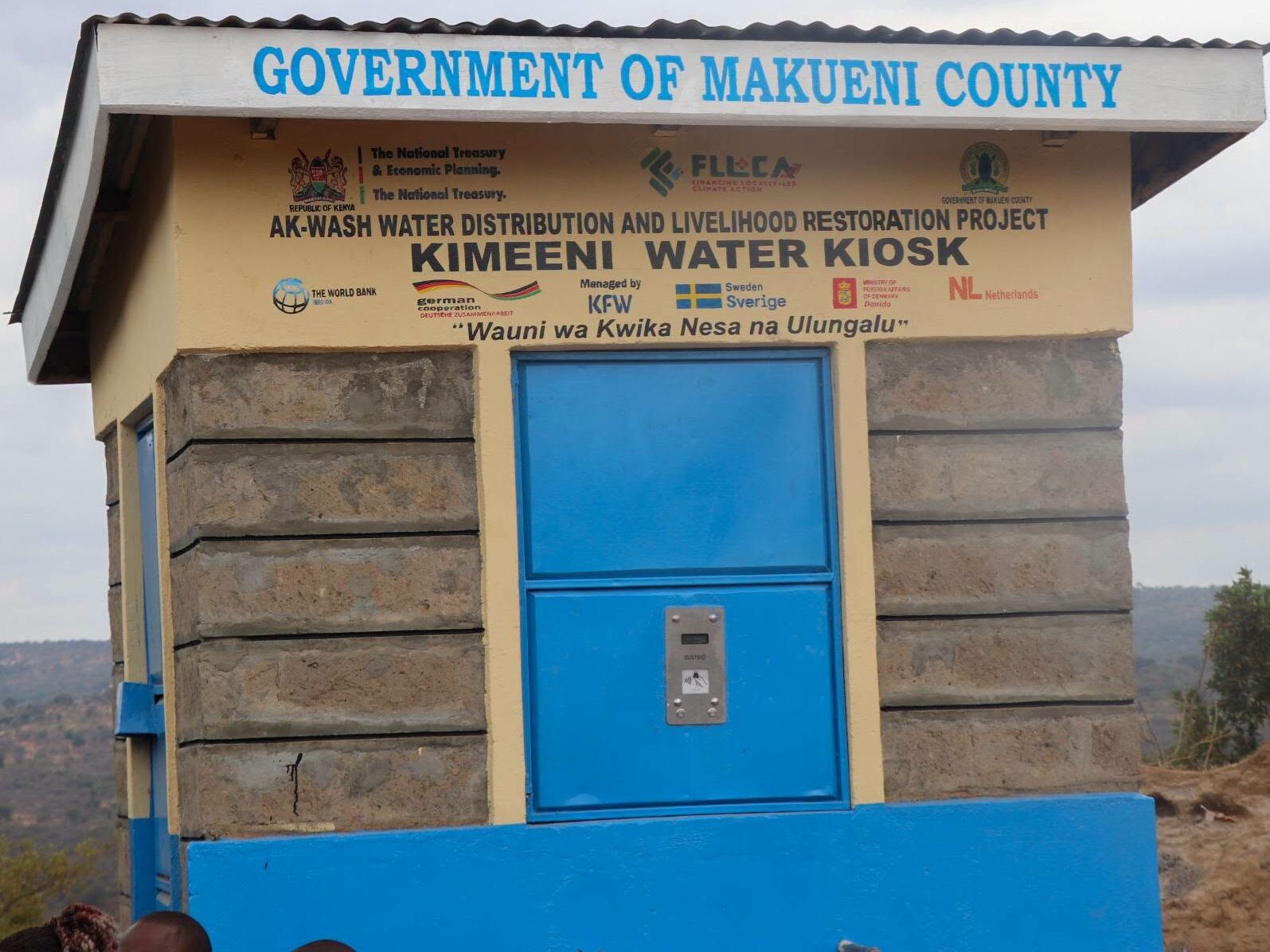
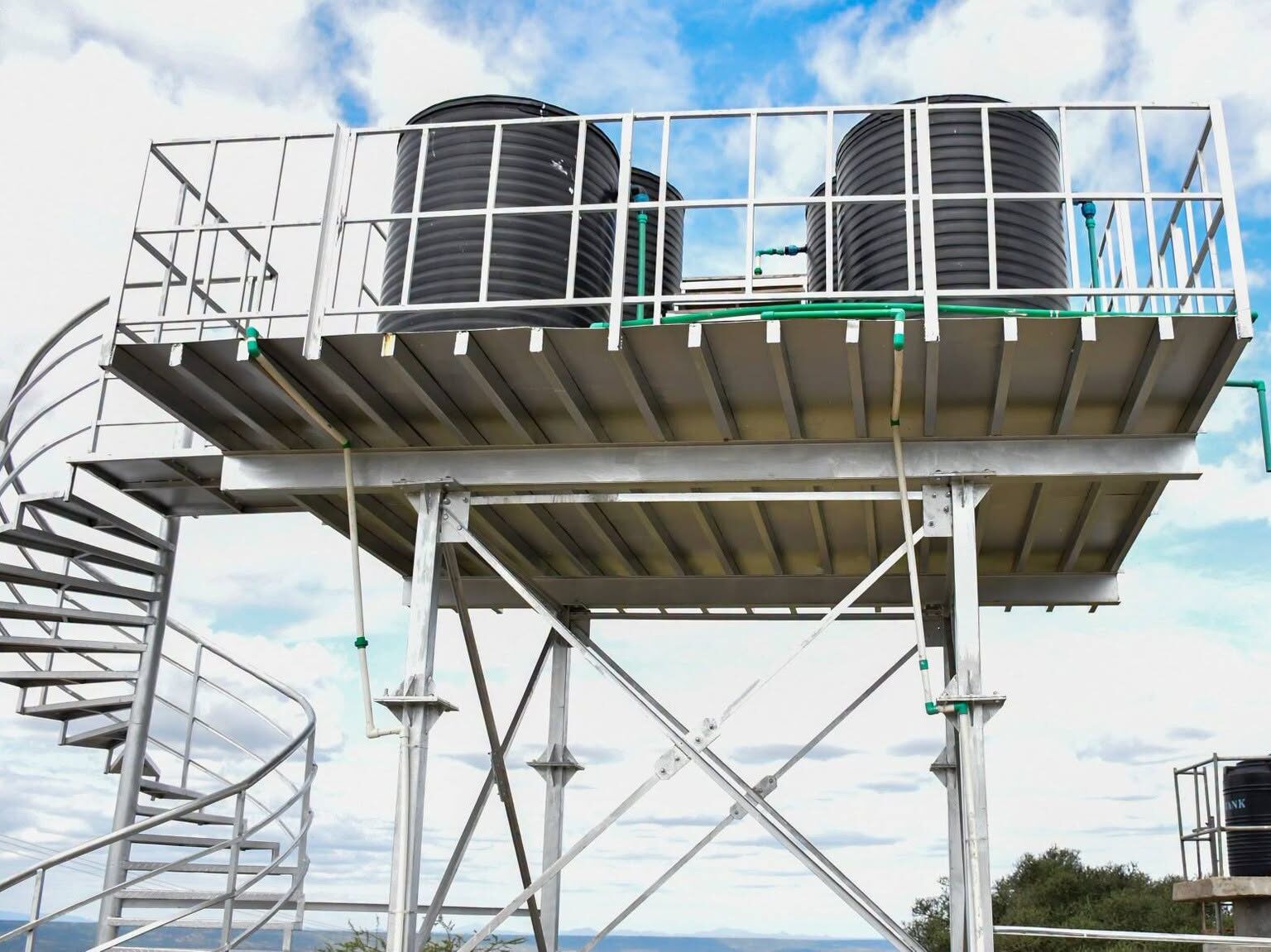
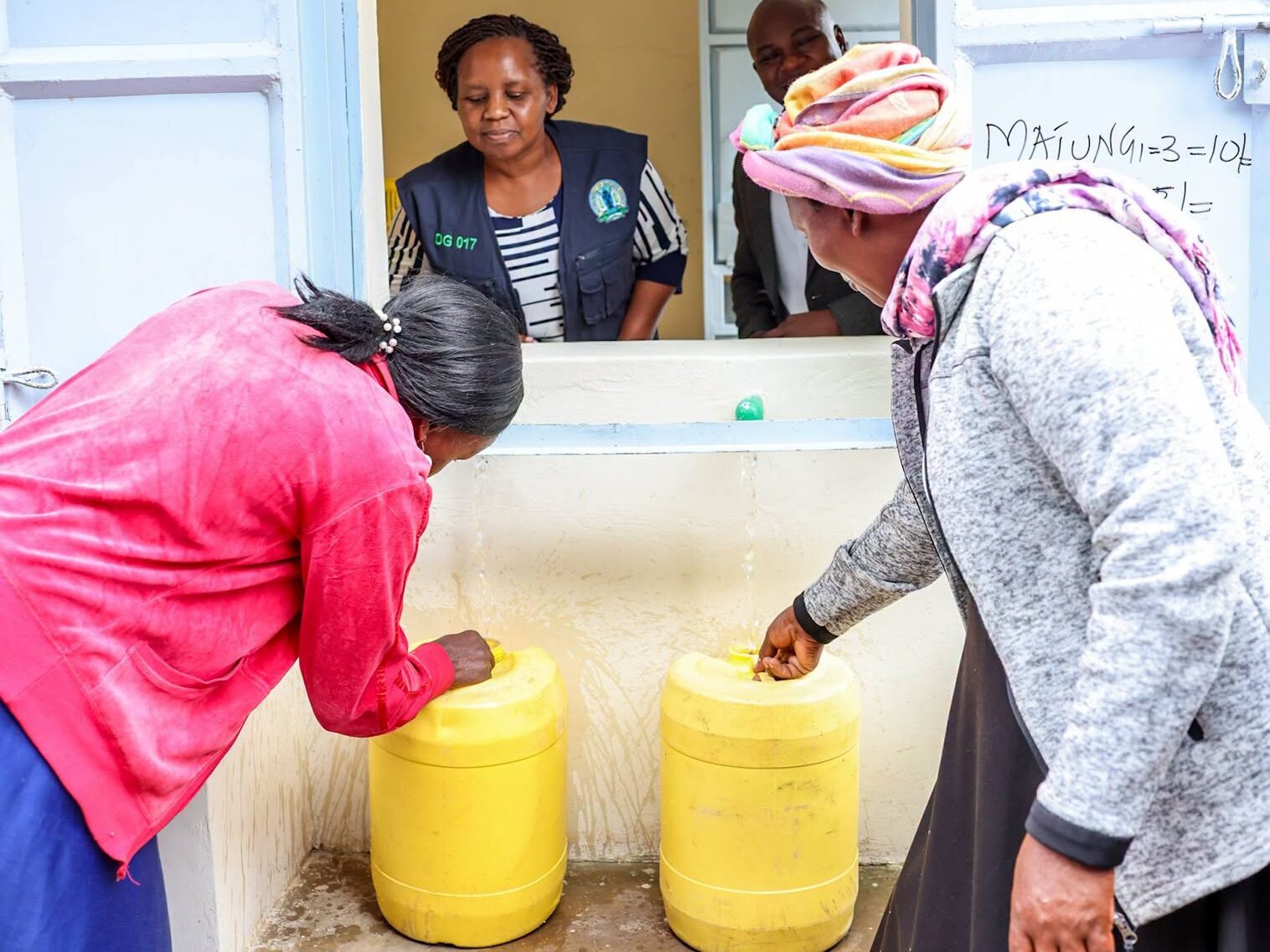
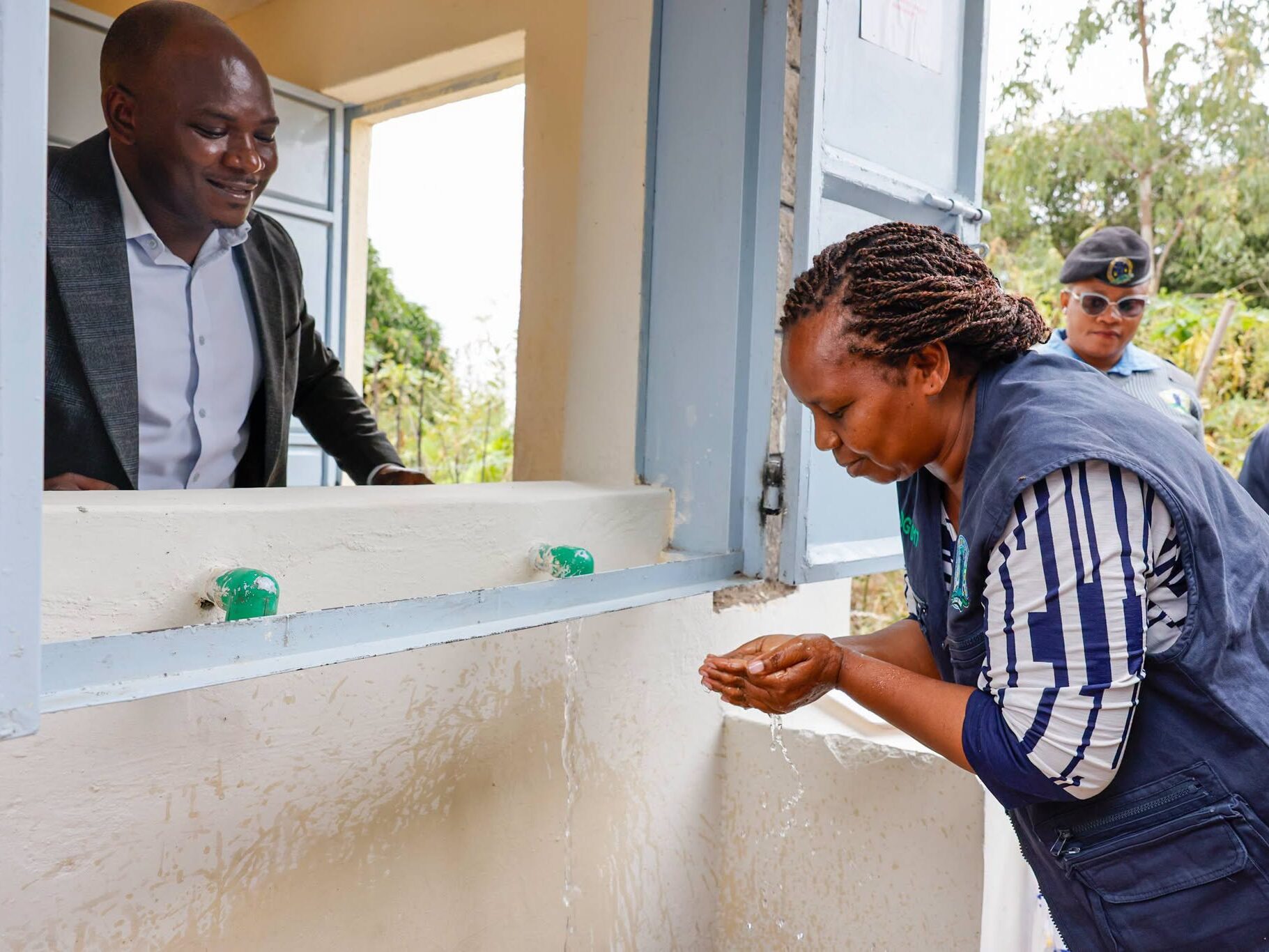
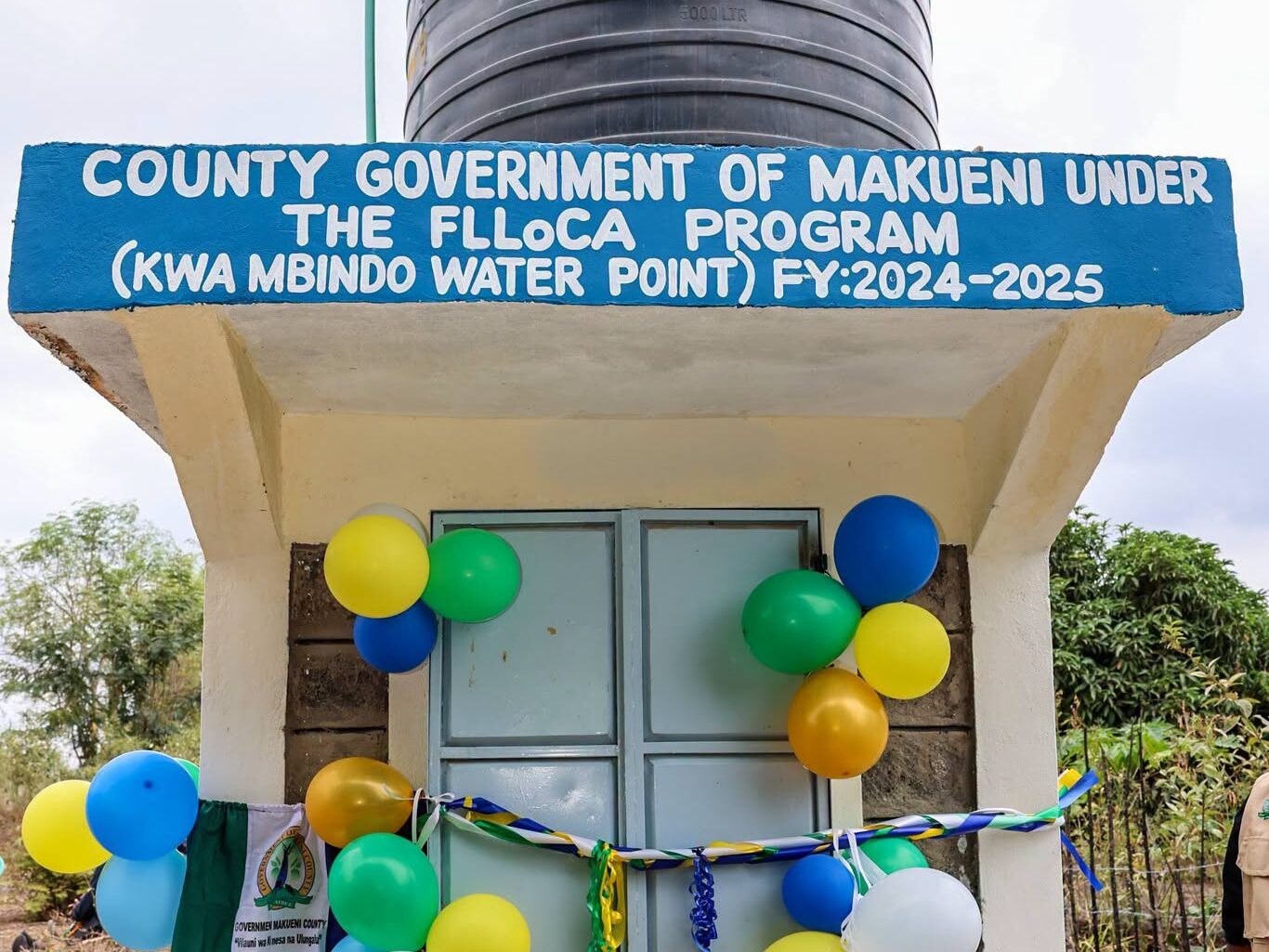
The project will distribute treated water from the existing Syiluni distribution tank to five water kiosks and two communal water points, expanding access to safe, potable water under the #LastMileWaterConnectivity programme.

To boost climate-smart agricultural production in the horticulture-rich ward, the project will stock the dam with 10,000 fish fingerlings to improve household nutrition and diversify livelihoods. It will also establish demonstration farms for coffee and macadamia, alongside a Juncao fodder farm to strengthen dairy production.

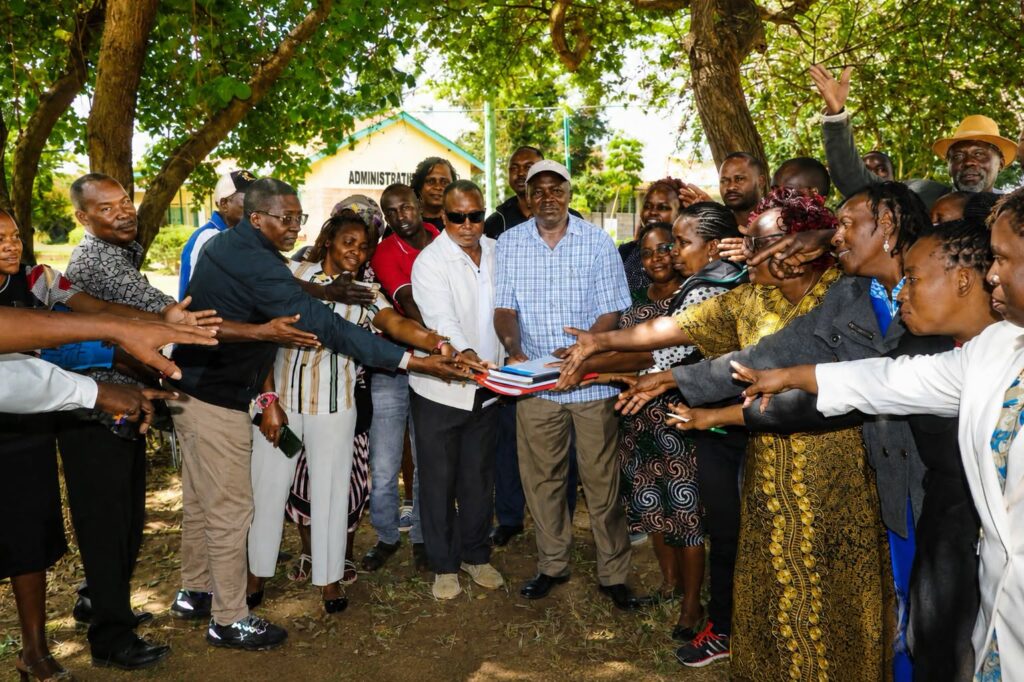
Speaking during the project site handover to the contractor, Makueni Director of Climate Change Jackline Kamusa said the integrated project is among 17 others across the county geared towards building community resilience to the impacts of climate change through locally led climate action.

TWIN FLLoCA PROJECTS TO TRANSFORM WATER ACCESS AND AGRICULTURE IN MUVAU/KIKUMINI AND KIKUMBULYU SOUTH.

Thousands of residents in Muvau/Kikumini and Kikumbulyu South wards are set to benefit from improved access to water and climate-smart agriculture following the commencement of two major livelihood restoration projects under the Financing Locally-Led Climate Action (FLLoCA) Programme.

Makueni Climate Change Unit officers, led by Director Jackline Kamusa, on Thursday officially handed over project sites to contractors for the implementation of the Thwake Water Distribution and Livelihood Restoration Project in Muvau/Kikumini Ward and the Ngandani Water Distribution and Livelihood Project in Kikumbulyu South Ward.

The Thwake project is designed to tackle chronic water shortages by enhancing the Thwake Sand Dam and expanding water distribution to several water-stressed villages, including Kyemwole, Nyunzu, Kambi Mawe, Kwa Kathoka, Mulaani, King’uutheni, Mwenyenyo, Kwa Mutune, Mang’auni, Kasarani, Sombi and Kwa Pius.

Beyond improving access to water, the project will boost agricultural productivity through the establishment of a fish hatchery at Kwa Kathoka ATC, pasture and fodder farms, agroforestry through the distribution of citrus and mango seedlings, and the installation of a rain gauge to support climate-informed farming.

Meanwhile, the Ngandani Water Distribution and Livelihood Project will improve access to clean and safe water through the construction of a spring intake at Kithokoosyo, installation of distribution pipelines and water kiosks to serve surrounding communities. The project will also promote climate-smart agriculture through pasture establishment, livestock breed improvement, apiculture, and farmer training on water management, rangeland governance and livestock value chains, helping farmers increase productivity while building resilience to climate change.

FLLoCA PHASE II WATER PROJECTS TO BOOST WATER ACCESS AND CLIMATE RESILIENCE

Residents of Ivingoni/Nzambani and Mtito Andei wards are set to benefit from two water projects under the Financing Locally-Led Climate Action (FLLoCA) Programme, aimed at improving water access while strengthening community resilience to climate change.

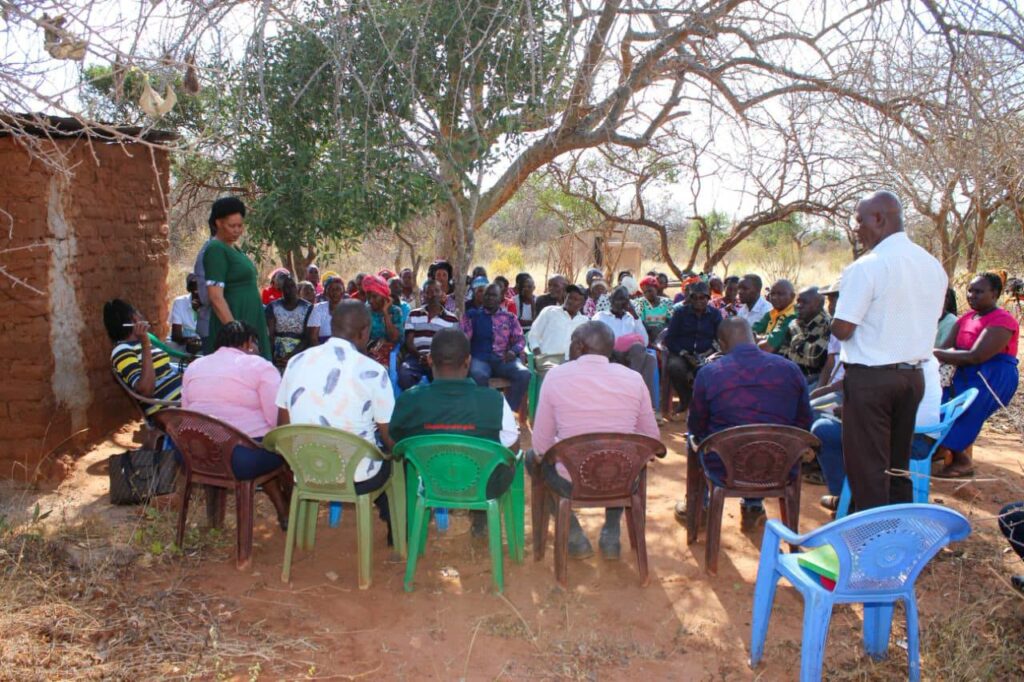
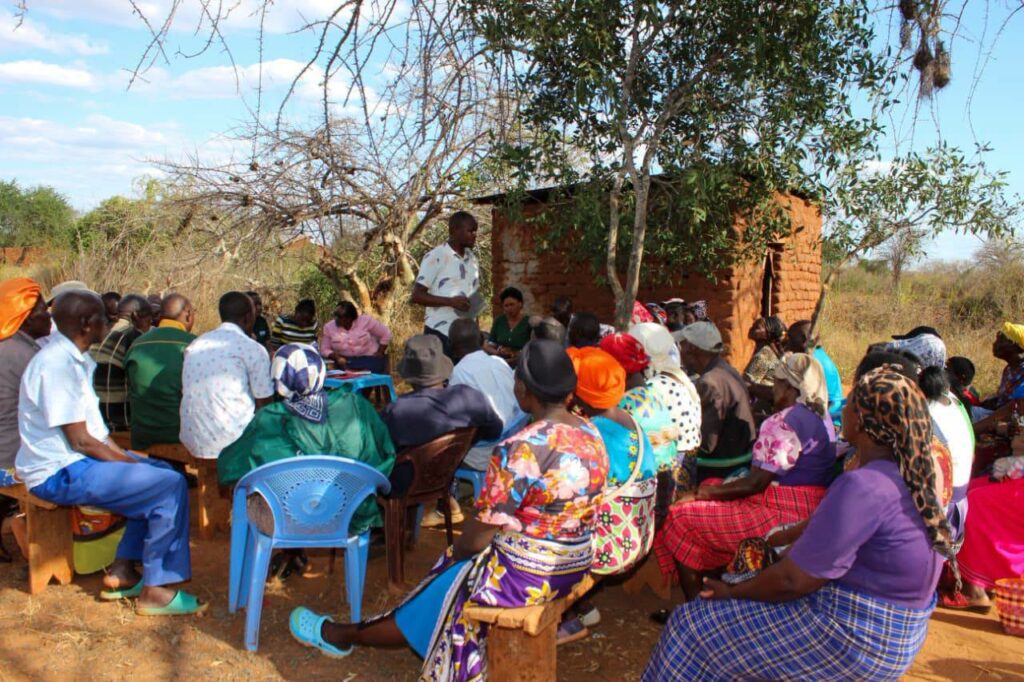
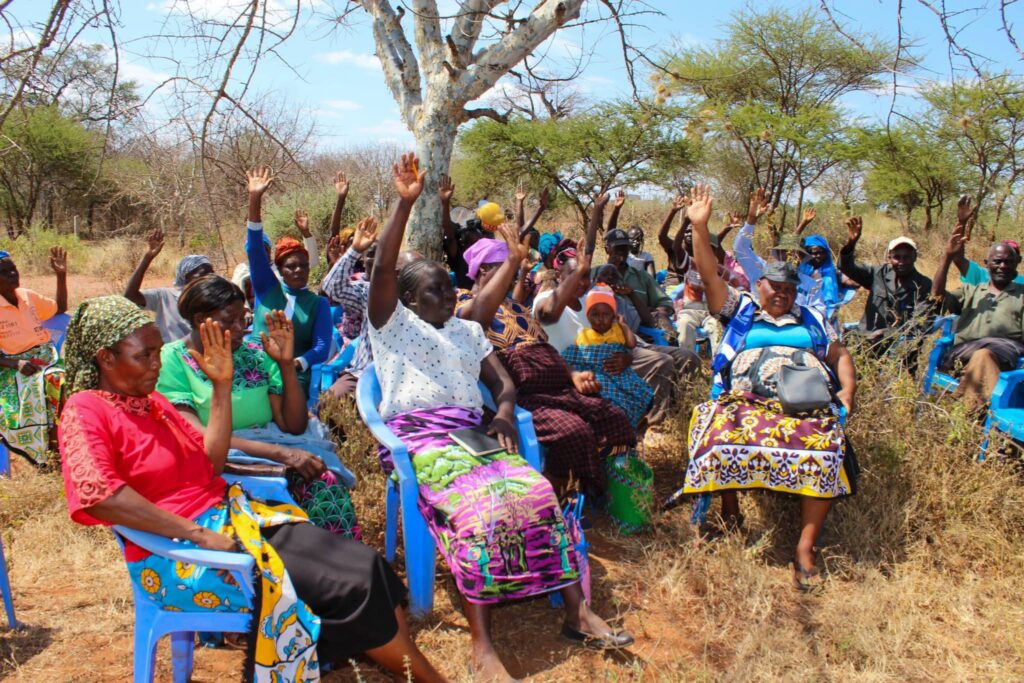
On Wednesday, officers from the Makueni County Climate Change Unit officially handed over the project sites to contractors and newly constituted Project Management Committees, paving the way for construction works to begin.

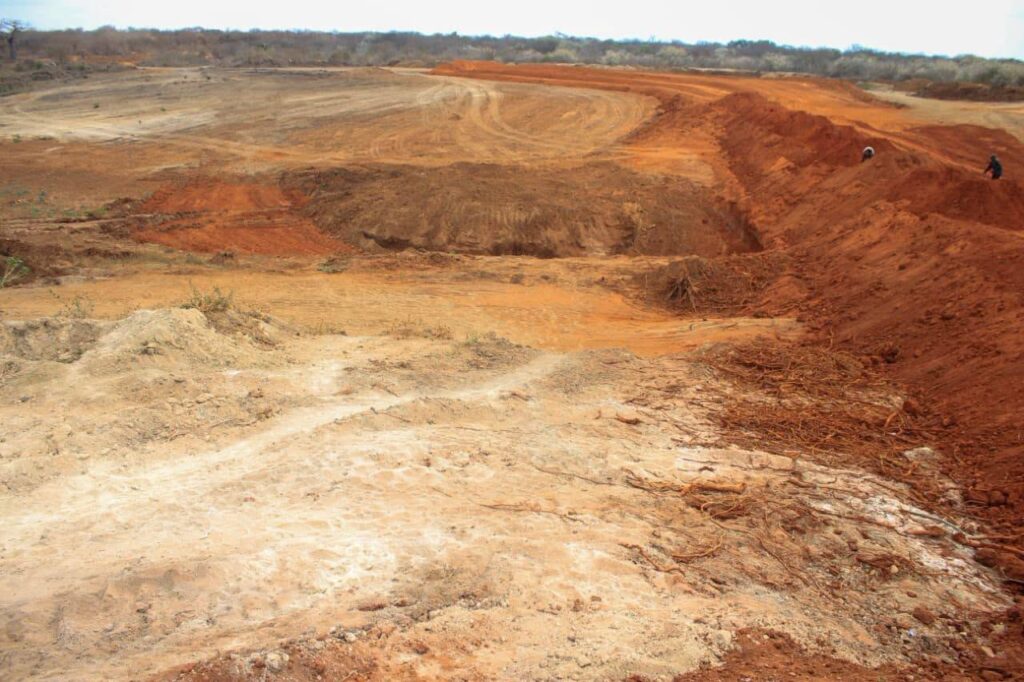
At Kwa Nzoongo in Ivingoni/Nzambani Ward, the County Government will expand and deepen an existing earth dam constructed during Phase I of the programme to enhance rainwater harvesting and storage. The project will also support climate-smart livelihoods through complementary interventions.

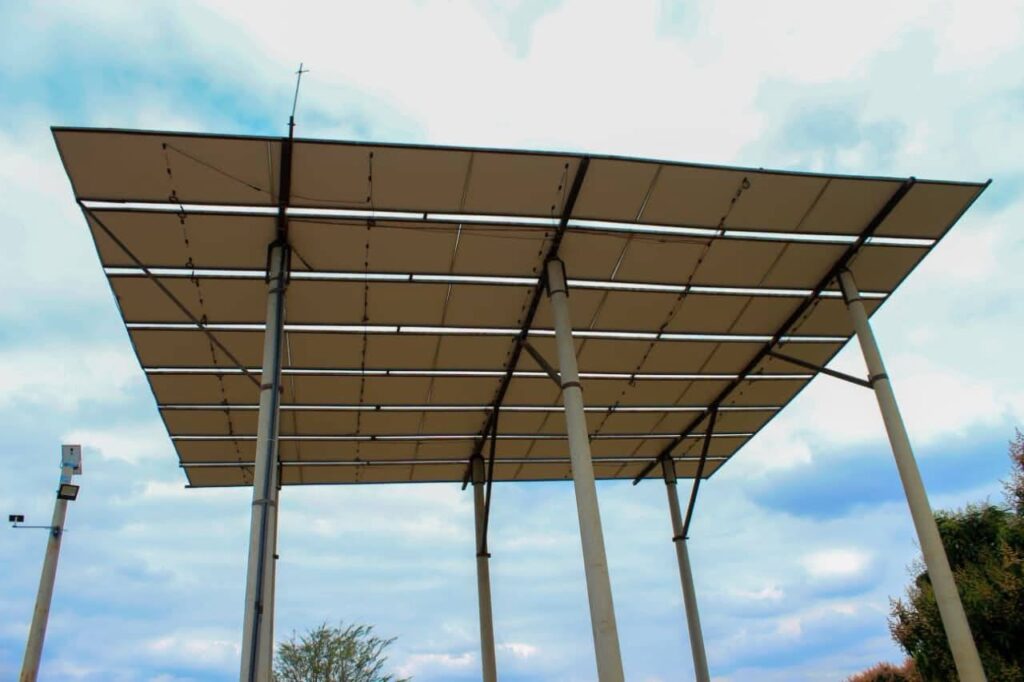
In Mtito Andei Ward, the Ngai Ndethya Sand Dam Project will involve raising the weir, laying an 8-kilometre water distribution network, constructing three water kiosks and installing CCTV surveillance to safeguard the solar-powered water pumping system.

Expected to be completed within three months, the projects will provide reliable water for households, livestock and agriculture, improving livelihoods and enhancing climate resilience across the two communities.

MAKUENI RANKED KENYA’S BEST-PERFORMING COUNTY IN FLLoCA PROGRAMME IMPLEMENTATION

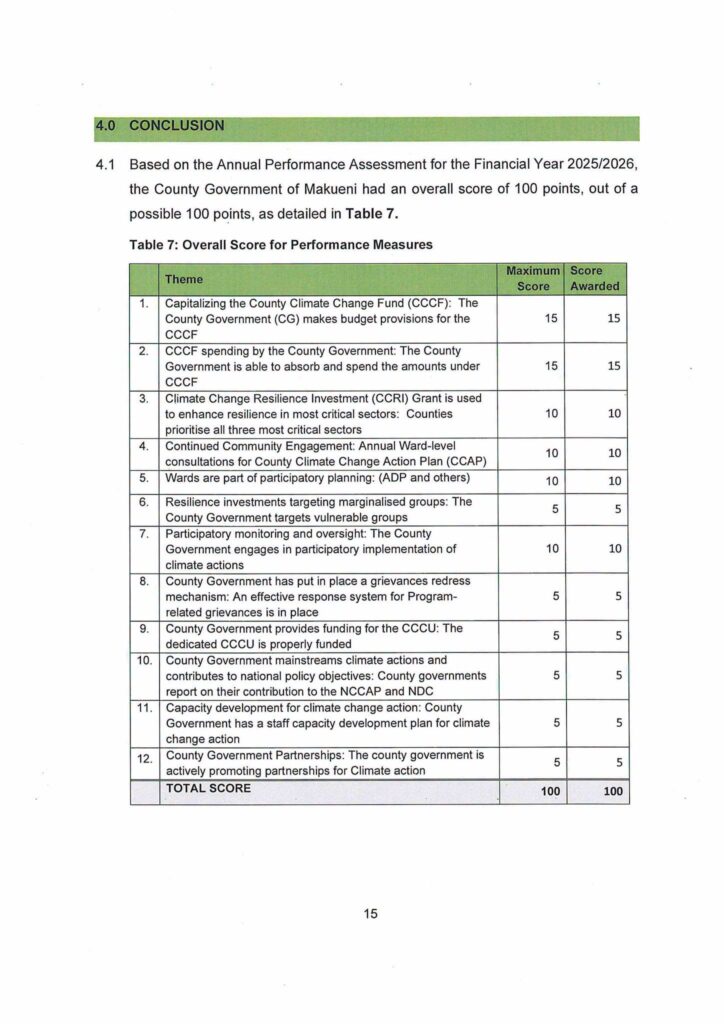
Makueni County has emerged as the best-performing county in Kenya in the implementation of the Financing Locally-Led Climate Action (FLLoCA) Program.

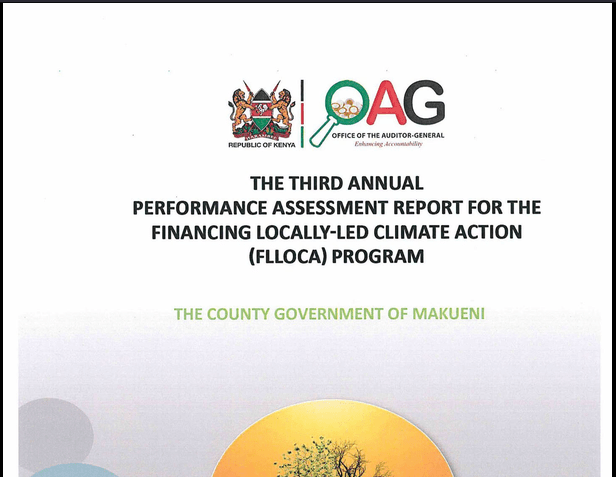
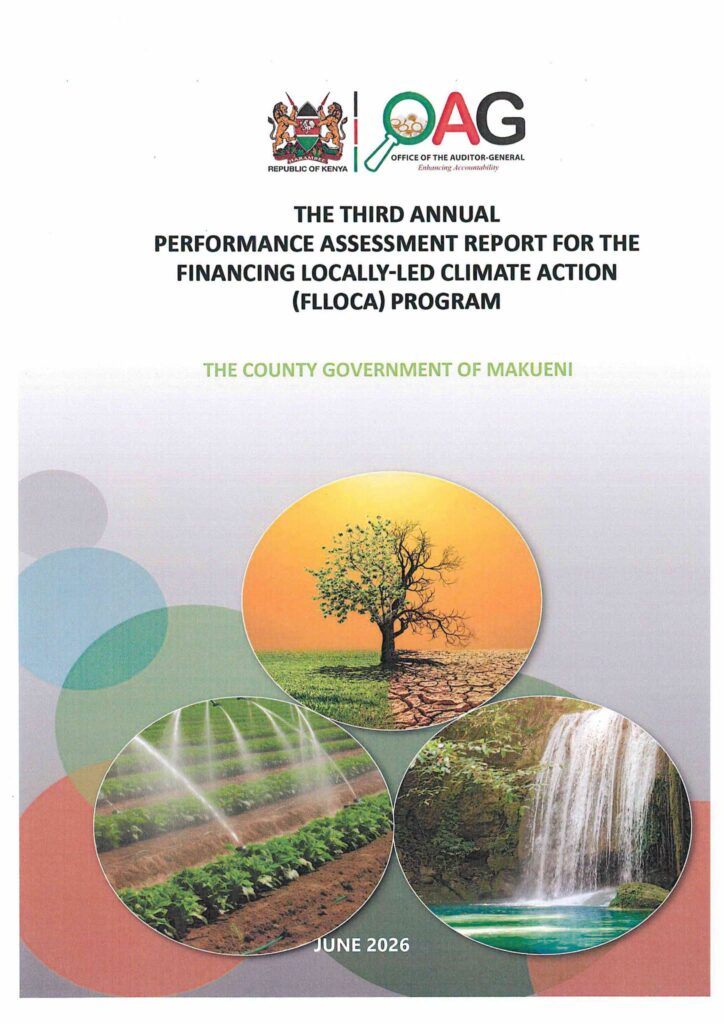
According to the Auditor General’s 2025/2026 Annual Performance Assessment Report, Makueni achieved a perfect score of 100 out of 100, underscoring the commitment of the administration led by Governor Mutula Kilonzo Jr. to fully comply with all requirements of the World Bank co-funded programme.

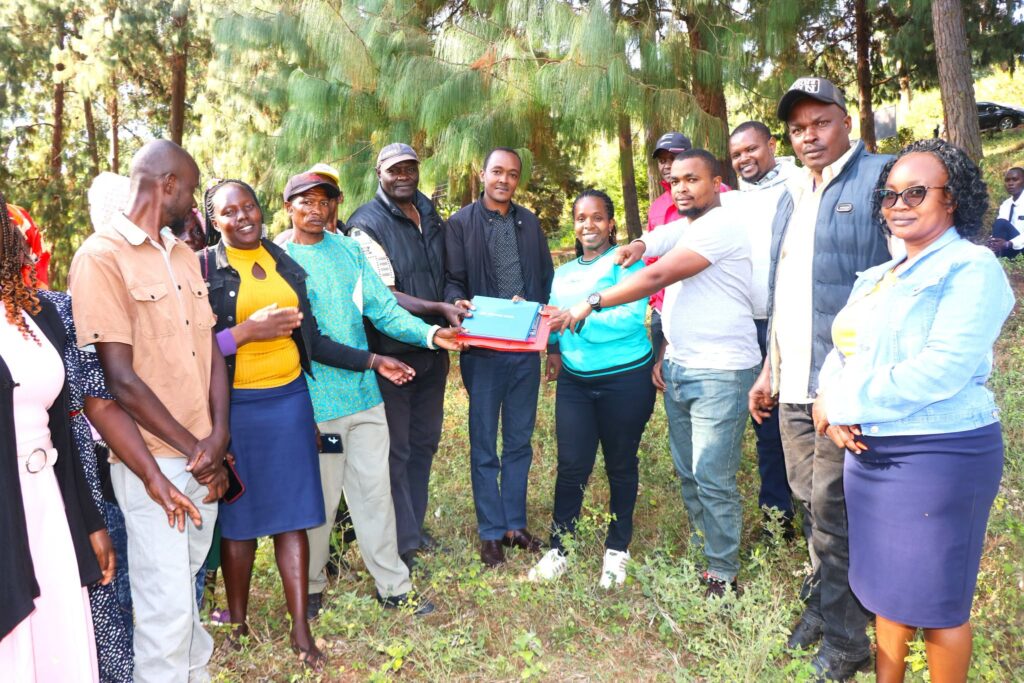
The county has implemented some of the most impactful FLLoCA projects in the water, agriculture, and environmental sectors, significantly improving livelihoods and enhancing climate resilience for thousands of residents across Makueni.

MAKUENI’S SAND DAMS: WHERE CONSERVATION MEETS COMMUNITY TRANSFORMATION

As the world continues to celebrate progress in environmental conservation and strengthen efforts to reverse environmental degradation, Makueni County is steadily reaping the benefits of strategic river ecosystem restoration spearheaded by the Makueni County Sand Conservation and Utilization Authority.

Established in 2015 to regulate the previously uncontrolled sand harvesting that had severely degraded river ecosystems and, in some cases, led to loss of lives among environmental advocates, the Authority has made significant strides in restoring and protecting the county’s natural resources.

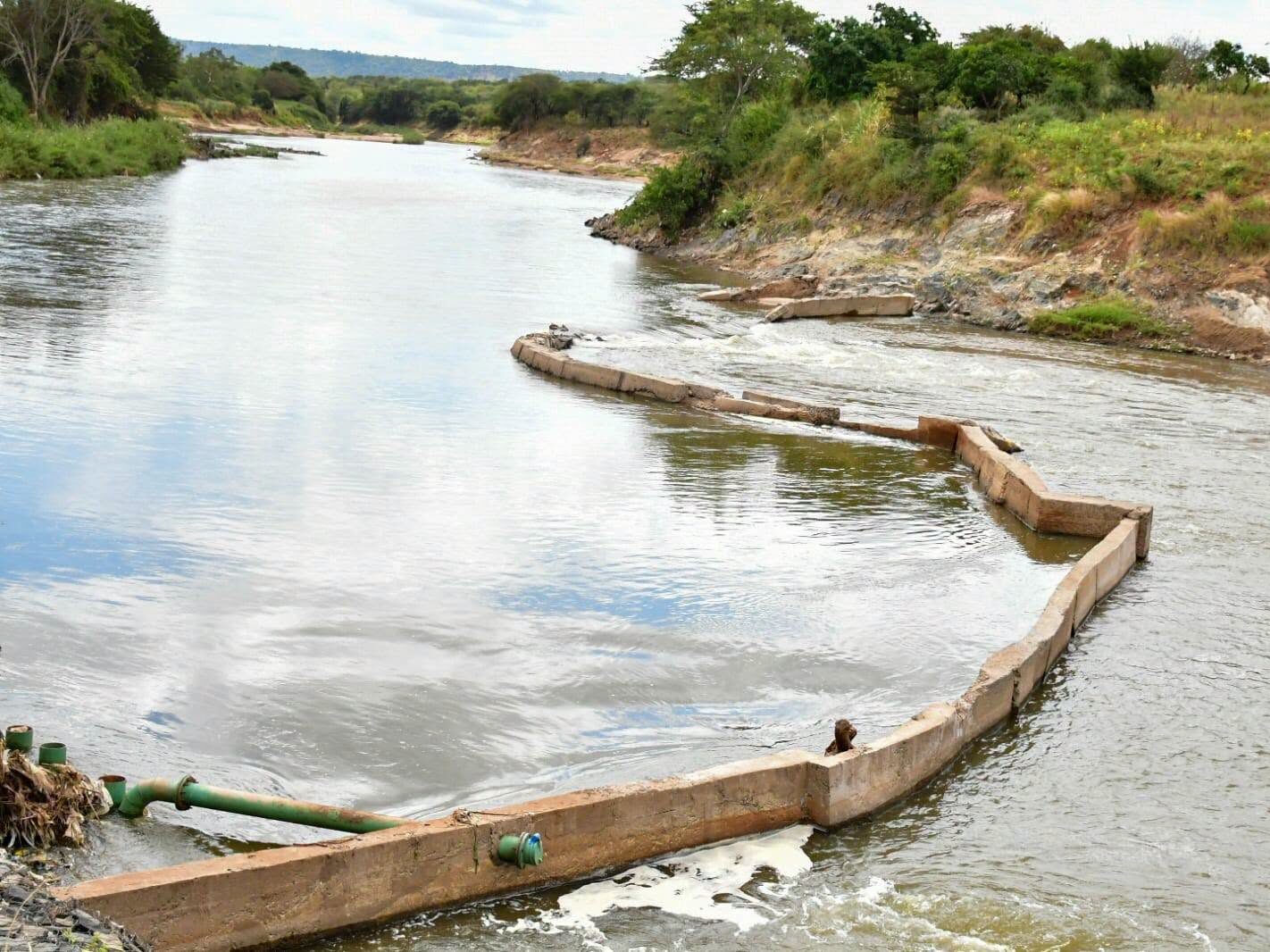
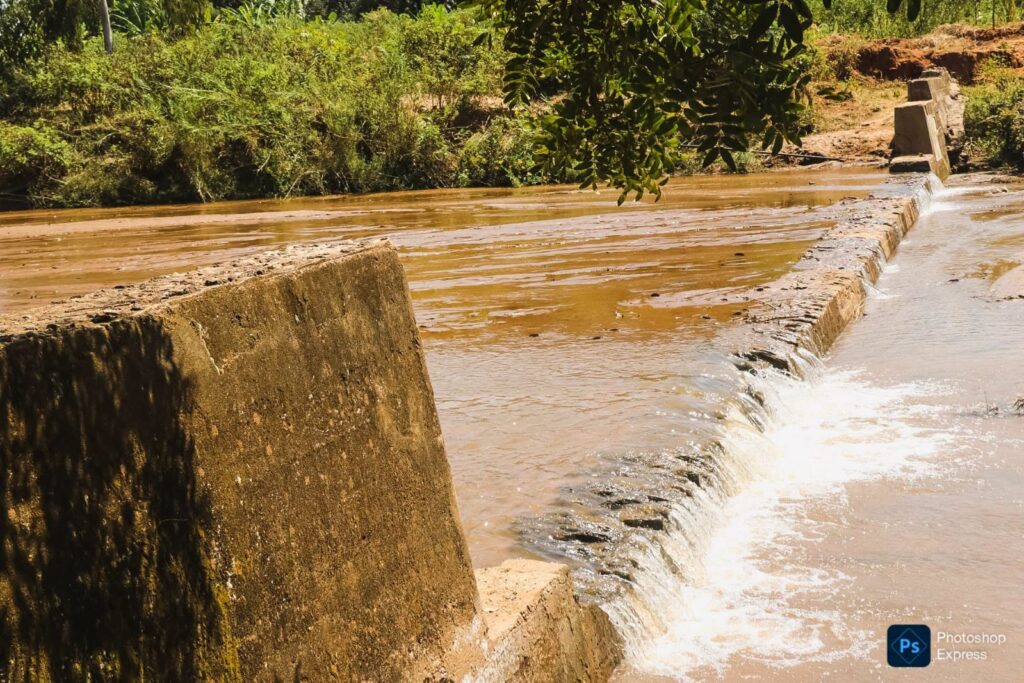
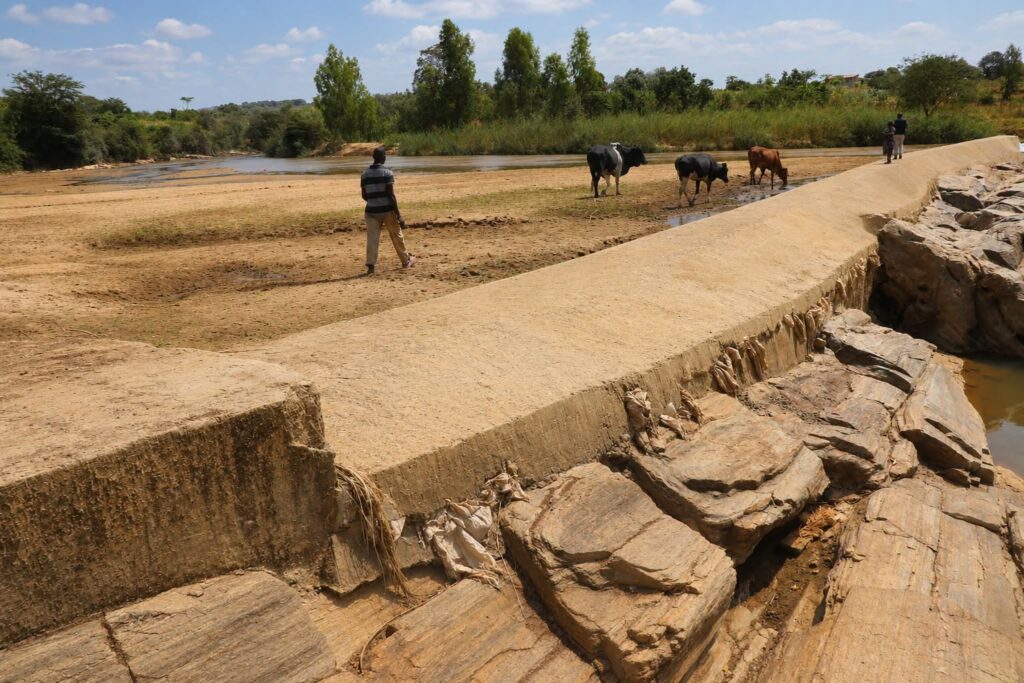
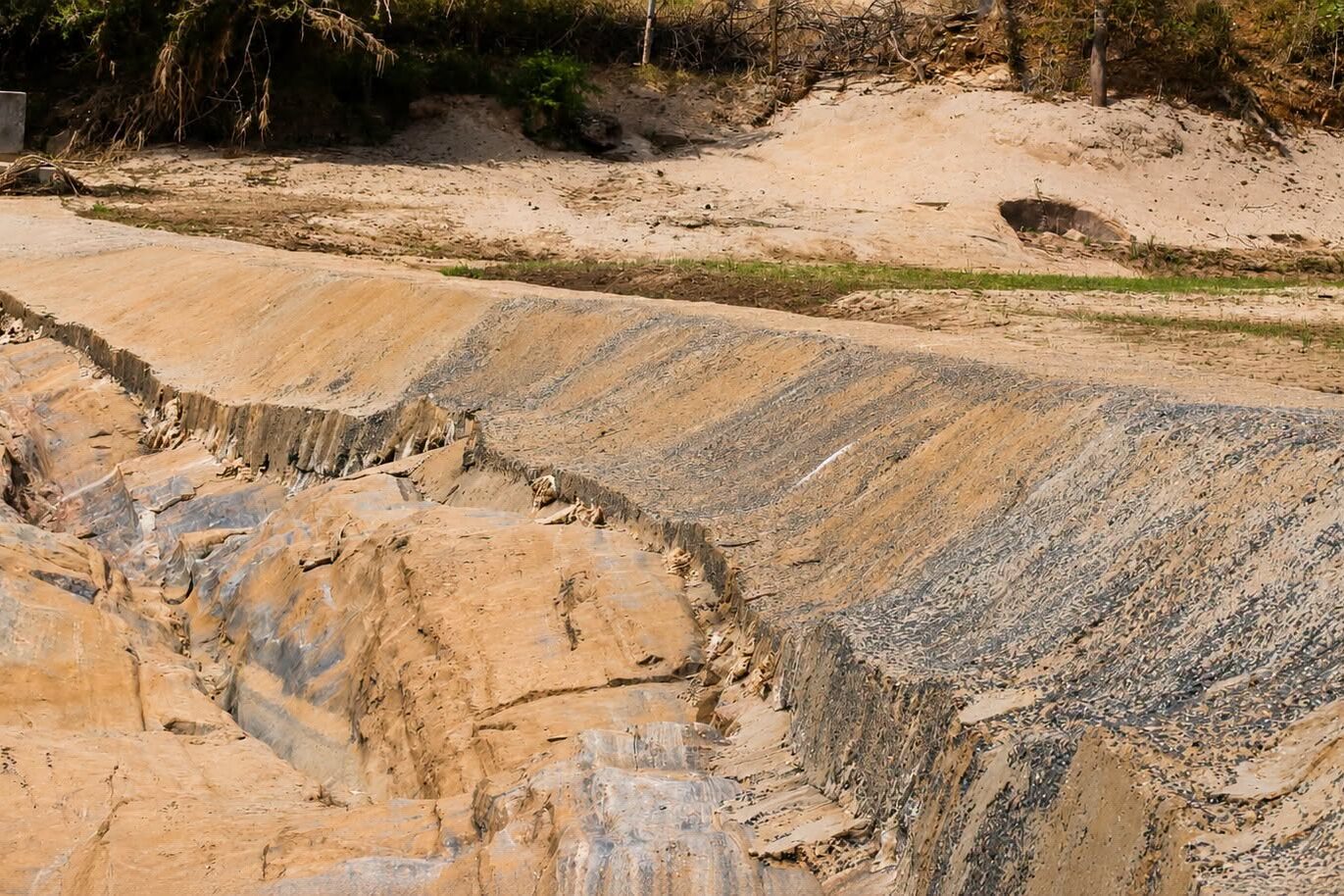
To date, the Authority has constructed 26 sand dams across 13 wards, transforming degraded riverbeds into productive ecosystems. Beyond the Authority’s interventions, Makueni County, in collaboration with development partners, has constructed over 1,000 sand dams, significantly improving water availability, supporting irrigation, accelerating environmental restoration and strengthening climate resilience.

According to the Authority’s Managing Director, Ndambuki Kioko, the success of the initiative underscores the importance of community-driven and policy-supported environmental conservation efforts in building climate resilience, enhancing livelihoods, and safeguarding natural resources for future generations.

MAKUENI MARKS WORLD ENVIRONMENT DAY WITH LAUNCH OF LANDSCAPE RESTORATION STRATEGY

Makueni County on Friday joined the global community in commemorating World Environment Day at Kea Comprehensive School in Kilome Sub-County, with a renewed call for environmental conservation, ecosystem restoration and community-led climate action.

As part of its commitment to restoring degraded ecosystems, the County Government unveiled the County Farmer Managed Natural Regeneration (FMNR) Scaling Strategy, a roadmap designed to accelerate landscape restoration across the county over the next three years.

Speaking during the event, Lands Executive Committee Member Dr. Paul Musila said the strategy provides a practical and cost-effective framework for restoring degraded landscapes through the protection, regeneration and sustainable management of naturally occurring trees and vegetation.

The strategy outlines an ambitious implementation plan running from 2026 to 2030, targeting the restoration of 55,000 hectares of degraded land, training of 40,000 farmers, 100 extension officers and 60 teachers and tutors in public learning institutions, while strengthening community governance systems to support sustainable natural resource management.

MAKUENI RALLIES COMMUNITY TO RESTORE RIVER ECOSYSTEMS AHEAD OF WORLD ENVIRONMENT DAY

As the world prepares to mark World Environment Day tomorrow, the Makueni Sand Conservation and Utilization Authority on Thursday conducted a tree-planting exercise at Kiaoni along the Muuoni River in Nguu/Masumba Ward.

The initiative seeks to restore and protect the fragile riverine ecosystem, enhance water retention, and strengthen community resilience to the impacts of climate change.

The Authority has been at the forefront of efforts to rehabilitate rivers degraded by years of uncontrolled and unsustainable sand harvesting. Through restoration programs, environmental conservation initiatives, and community engagement, it continues to promote sustainable sand utilization while safeguarding vital water resources and ecosystems for future generations.