𝗠𝗮𝗸𝘂𝗲𝗻𝗶 𝗪𝗮𝗶𝘃𝗲𝘀 𝗛𝗼𝘀𝗽𝗶𝘁𝗮𝗹, 𝗠𝗼𝗿𝘁𝘂𝗮𝗿𝘆 𝗕𝗶𝗹𝗹𝘀 𝗳𝗼𝗿 𝗠𝘁𝗶𝘁𝗼 𝗔𝗻𝗱𝗲𝗶 𝗔𝗰𝗰𝗶𝗱𝗲𝗻𝘁 𝗩𝗶𝗰𝘁𝗶𝗺𝘀
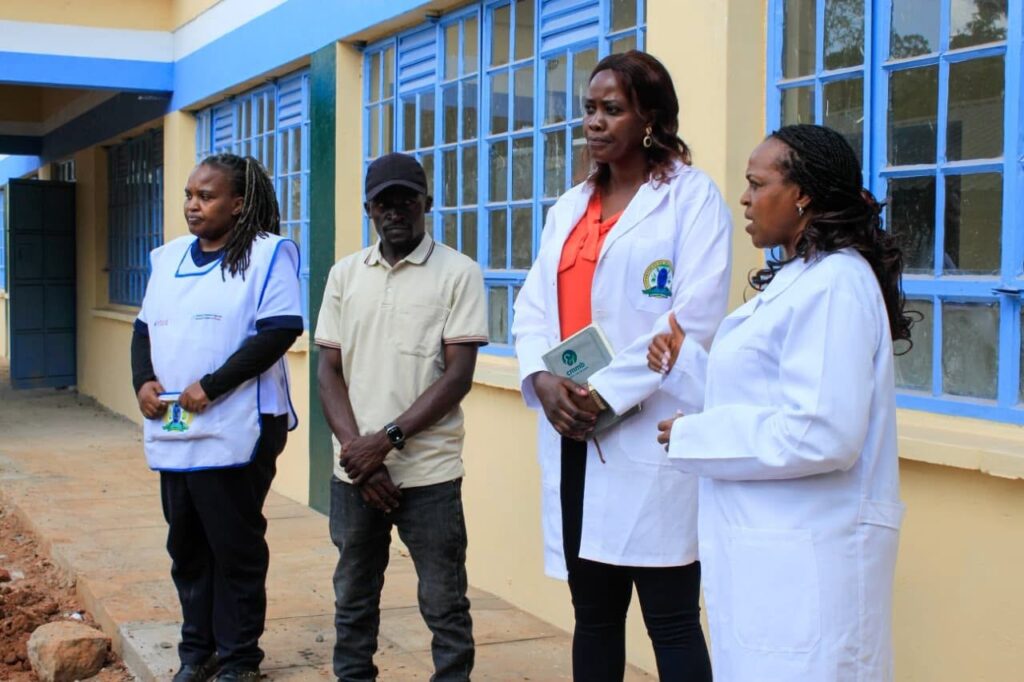
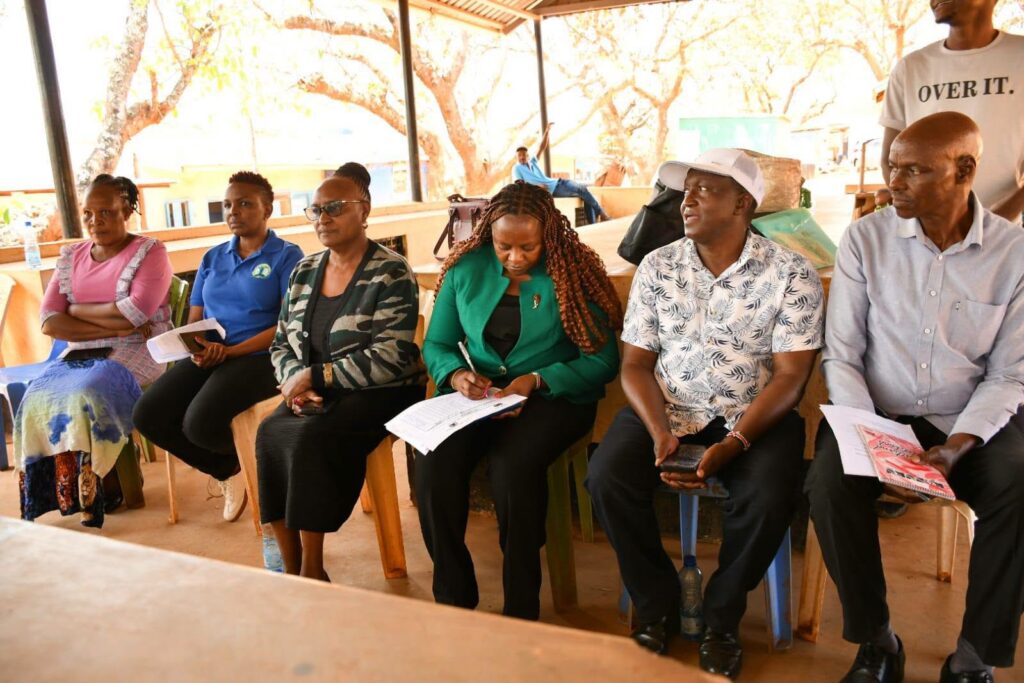
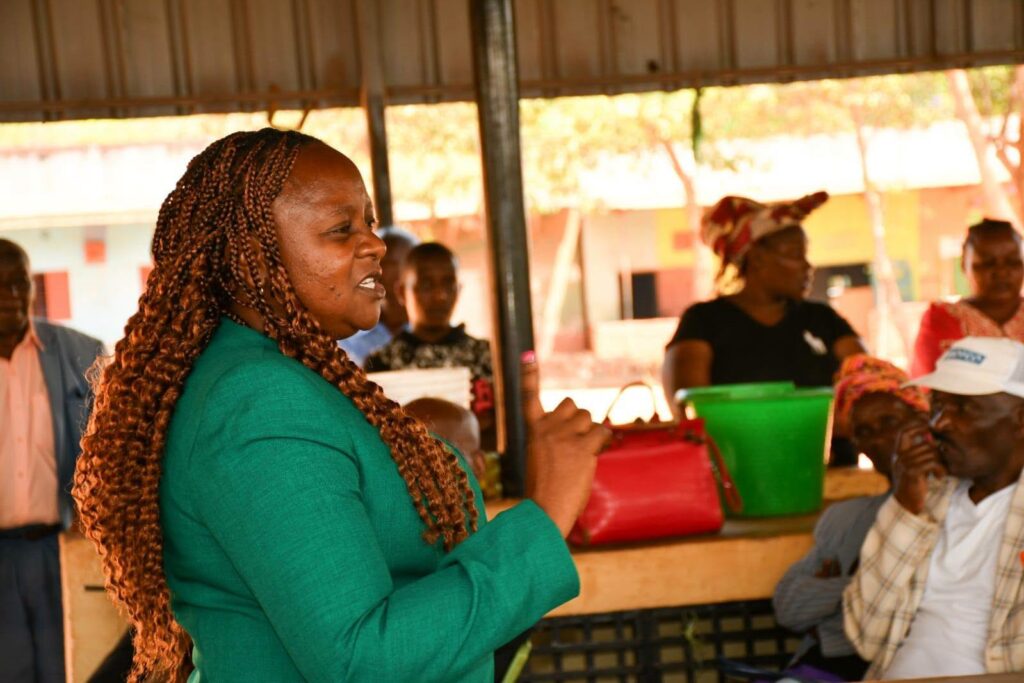
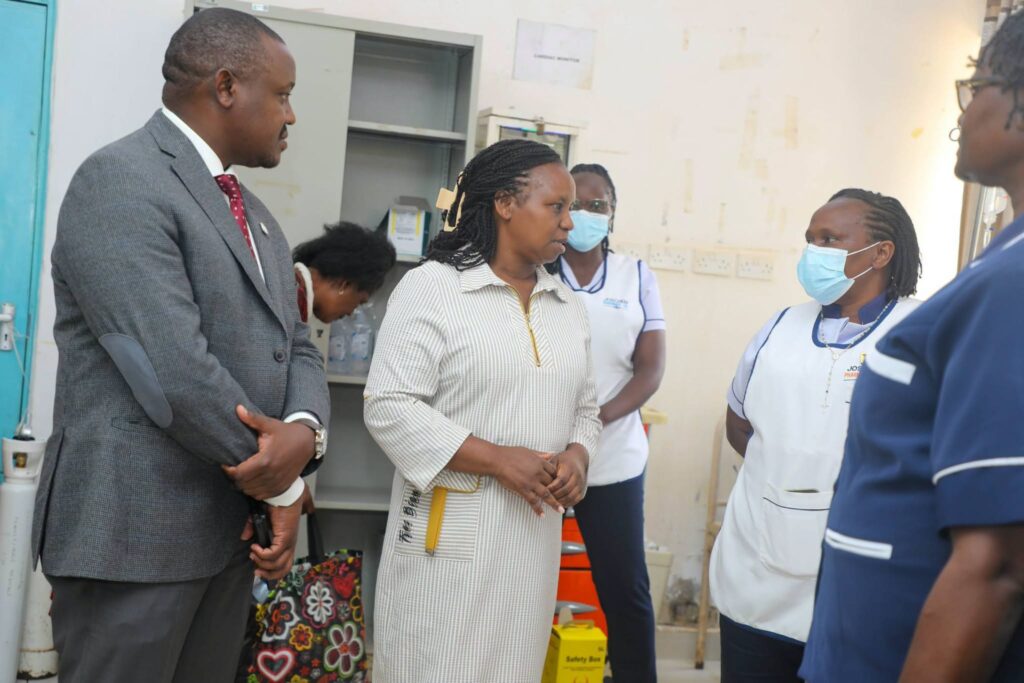
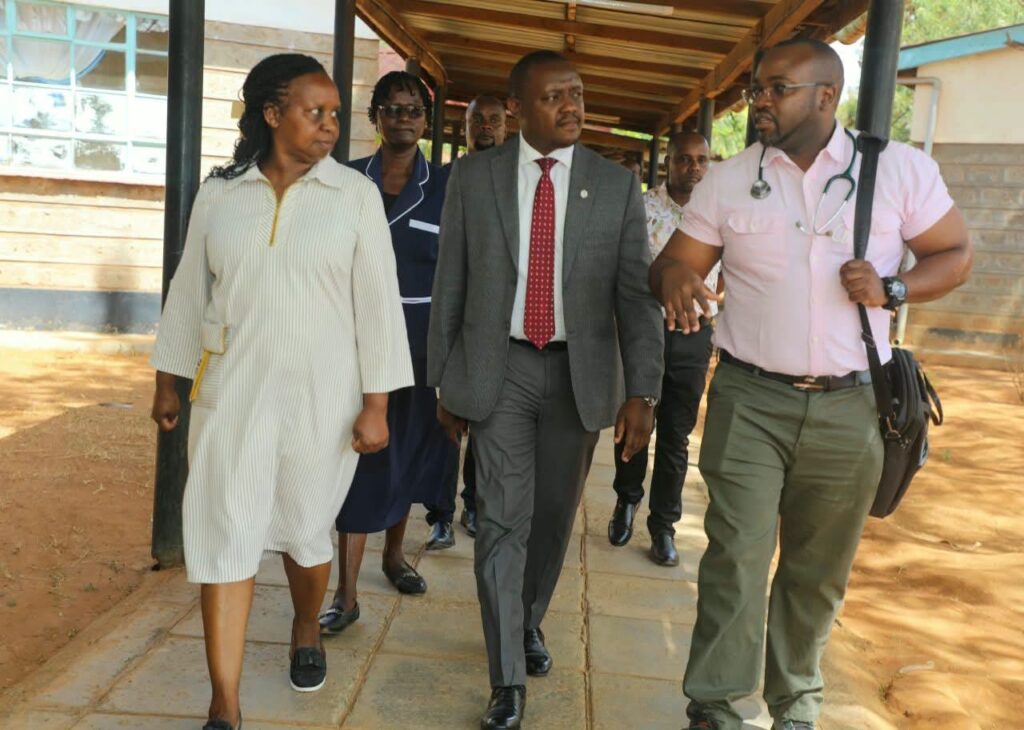
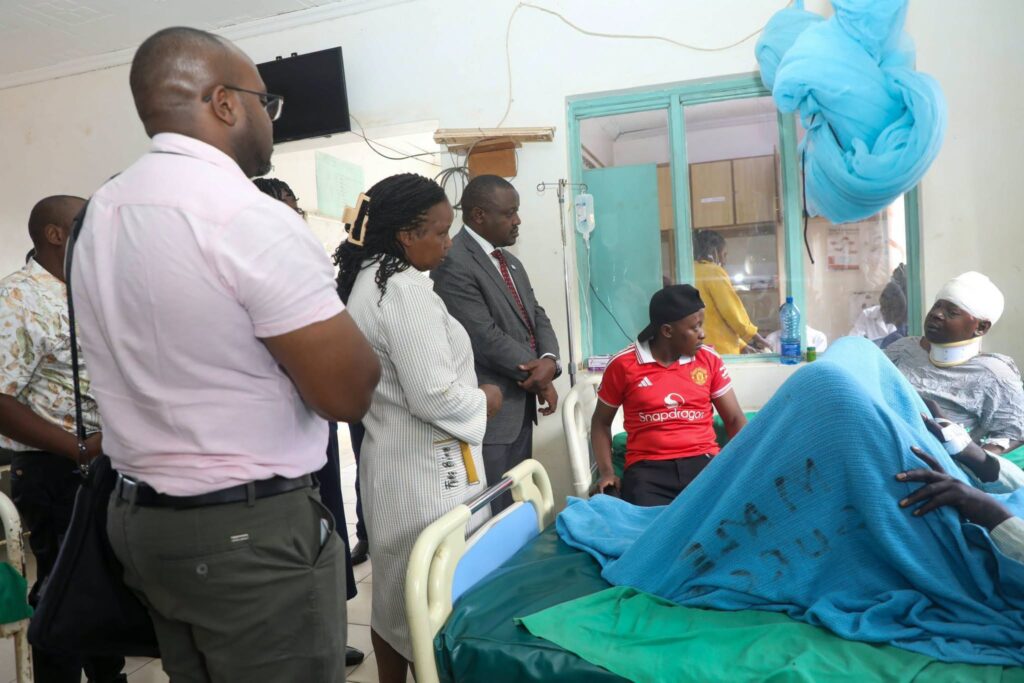
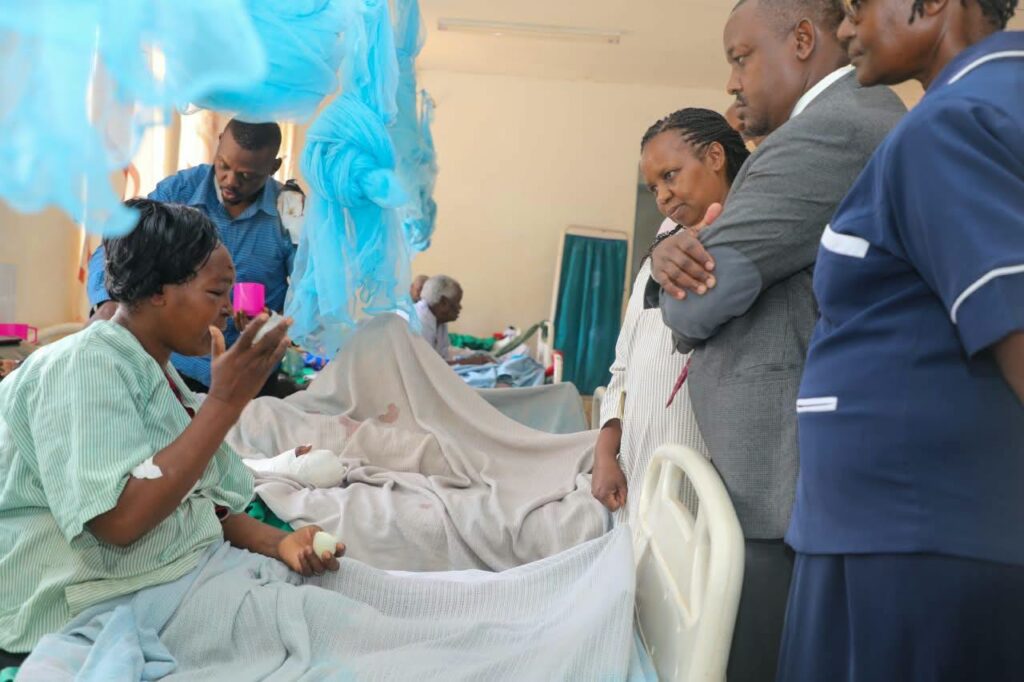
𝗠𝗔𝗞𝗜𝗡𝗗𝗨, 𝗢𝗰𝘁𝗼𝗯𝗲𝗿 𝟮𝟲, 𝟮𝟬𝟮𝟲 -The Makueni County Government has announced a waiver of hospital, mortuary and postmortem bills for victims of the tragic road accident at Mtito Andei, as Deputy Governor Lucy Mulili visited survivors receiving treatment at Makindu Sub-County Hospital on Monday.
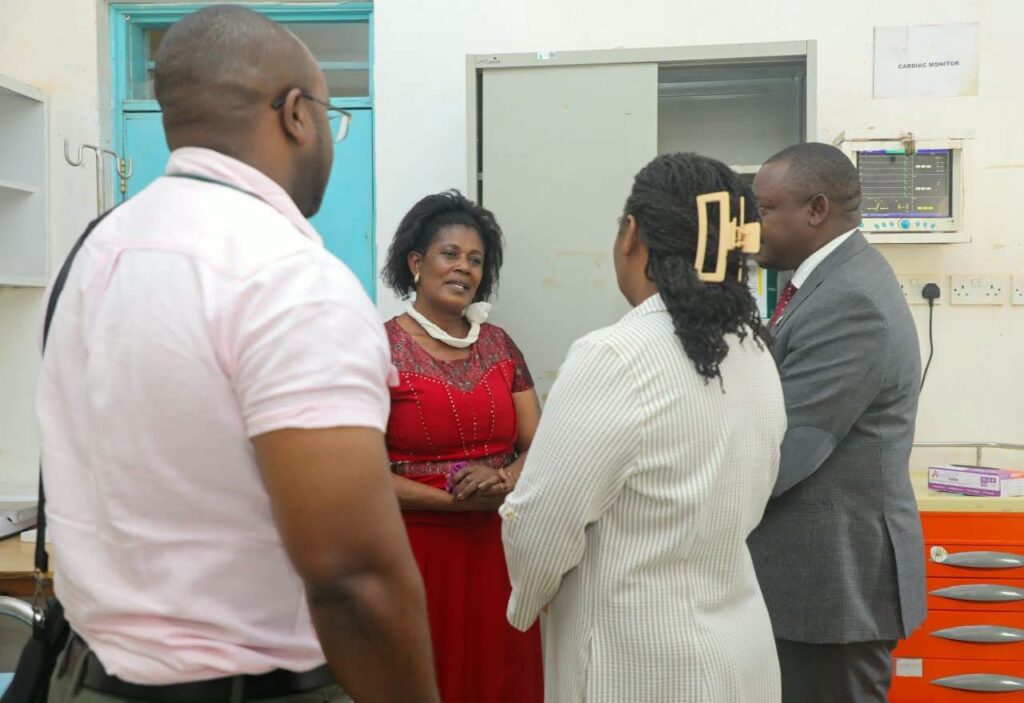
Mulili commended medical personnel and emergency responders for their swift response in rescuing victims and providing treatment following the crash, which claimed 23 lives.
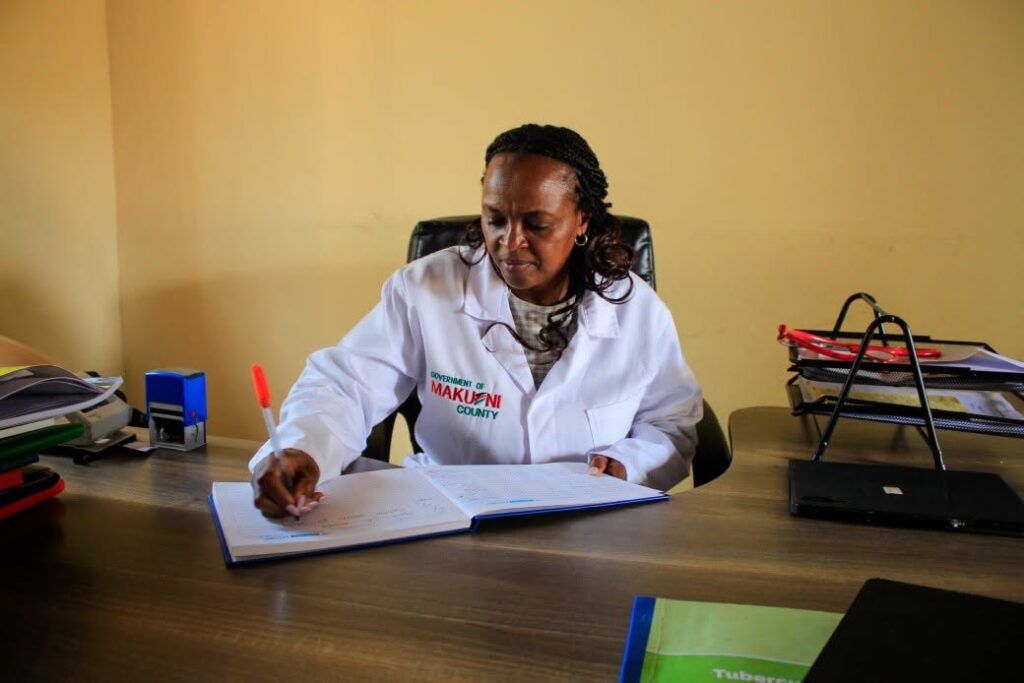
Dr R. Wahome, an emergency physician leading the hospital’s response team, said the facility received 20 victims, 10 of whom were admitted for further treatment. One patient was admitted to the Intensive Care Unit (ICU), while three were referred to other hospitals in accordance with their preferences.
Other patients underwent surgery and continued receiving treatment under close medical supervision. Wahome confirmed that no fatalities from the accident were received at the facility.
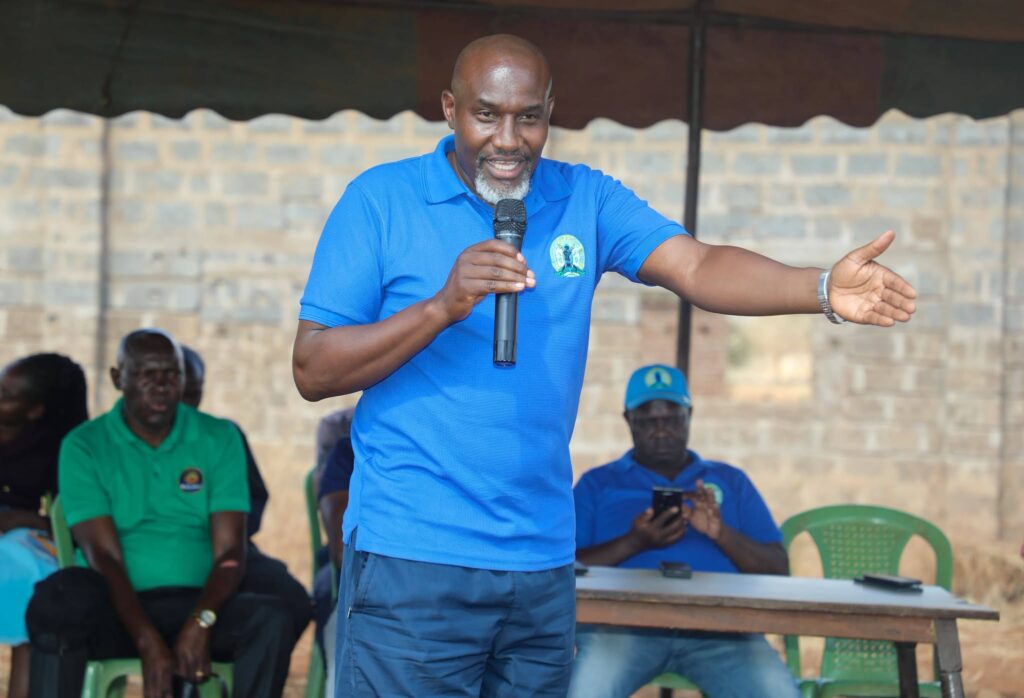
Accompanied by County Chief Officer for Health Dr Harvey Mulei, Mulili conveyed the county government’s condolences to families who lost loved ones and expressed solidarity with those injured in the crash.
She said that, through Governor Mutula Kilonzo Jr.’s interventions, the county would cover hospital, mortuary and postmortem expenses for the victims, easing the financial burden on affected families.
The Deputy Governor also called on the National Government to upgrade the Mombasa Road into a dual carriageway and establish a trauma centre along the highway to strengthen emergency response and improve access to specialised care for accident victims.
She urged motorists to observe traffic regulations, avoid speeding, take breaks when fatigued and prioritise the safety of all road users.









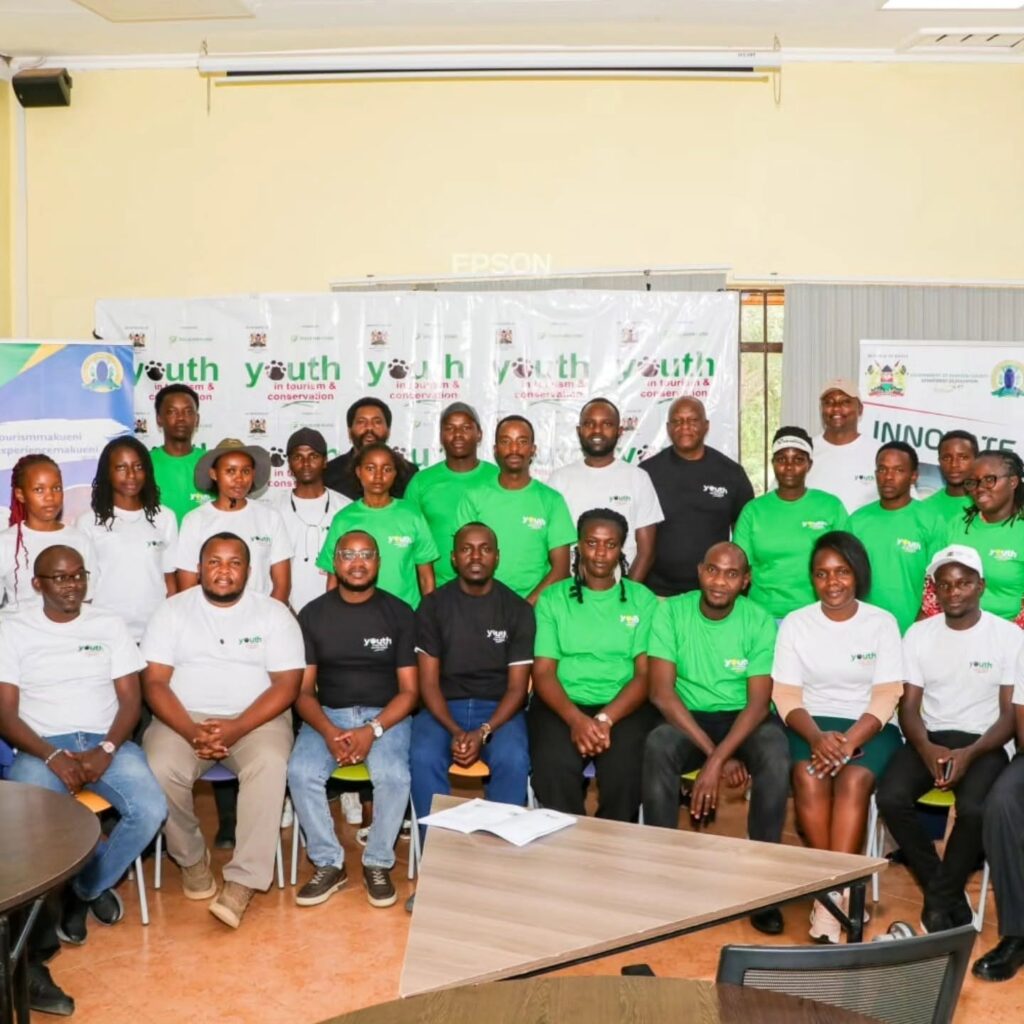
 Capture compelling photos and videos of local attractions
 Craft authentic stories that showcase our culture and communities
 Use social media and digital platforms to put Makueni on the tourism map