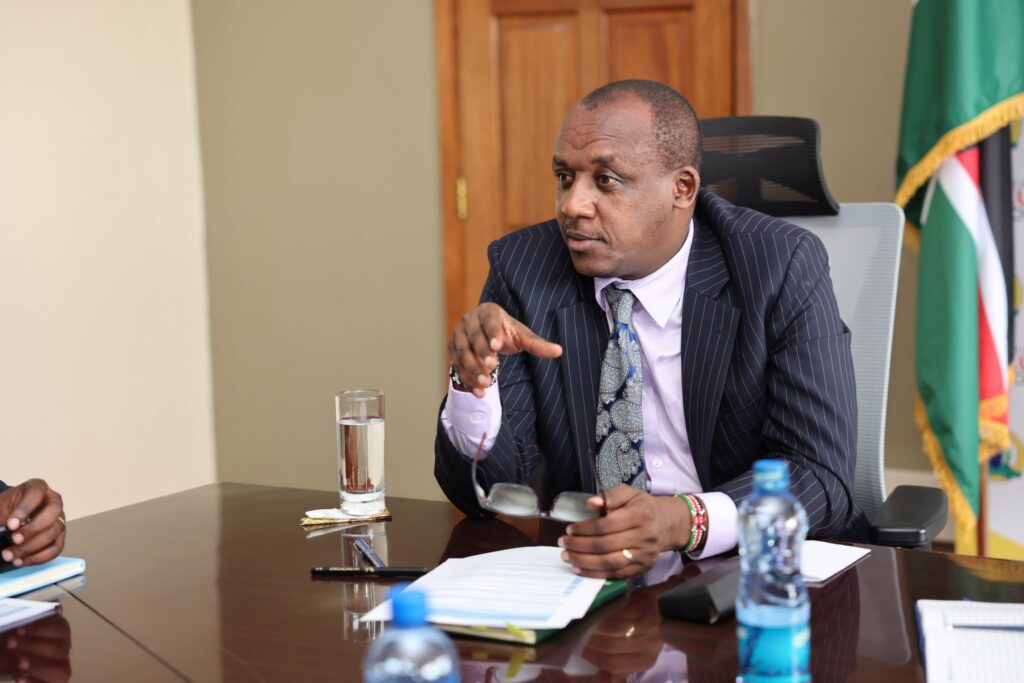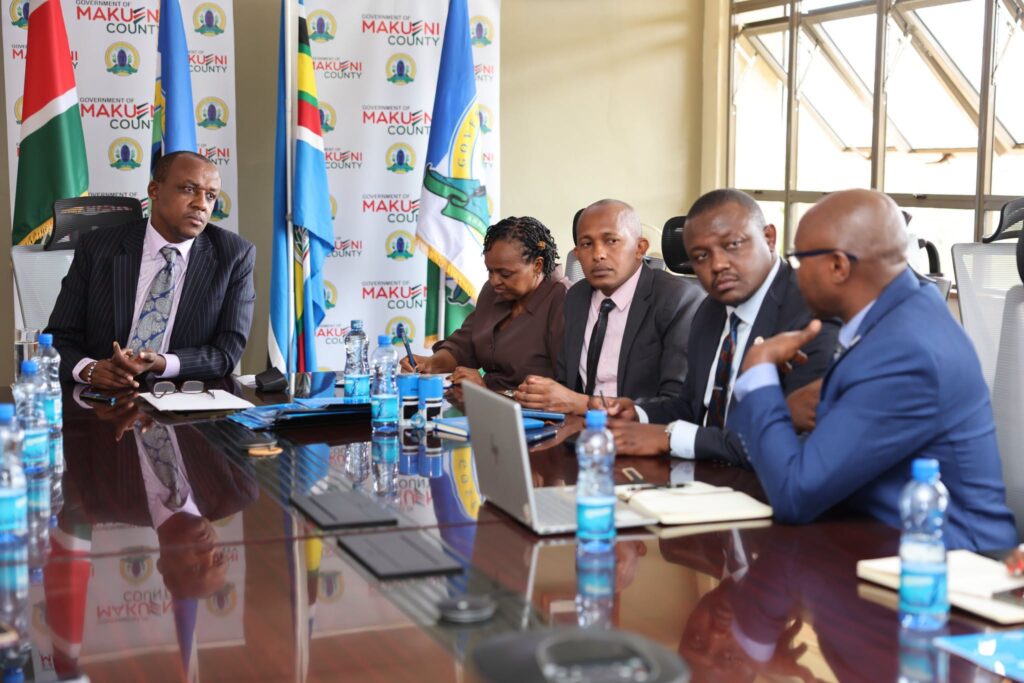
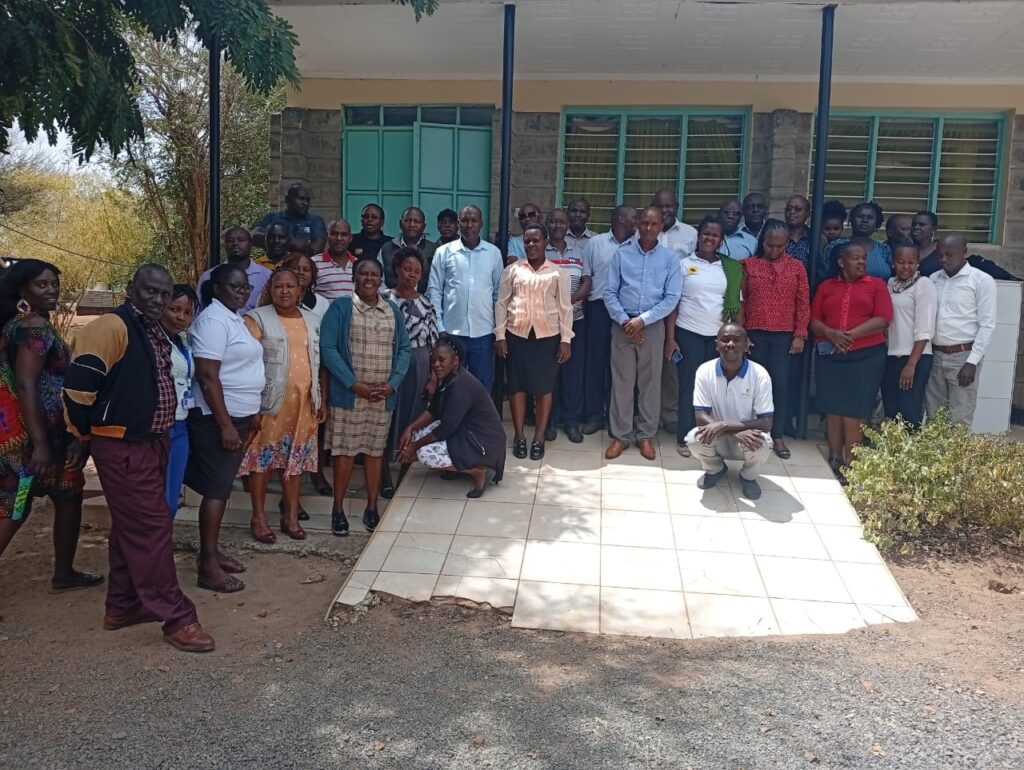
MAKUENI DEPUTY GOVERNOR LUCY MULILI ANNOUNCES SCHOOL FEEDING PROGRAMME FOR ECDE WITHIN MAKUENI.


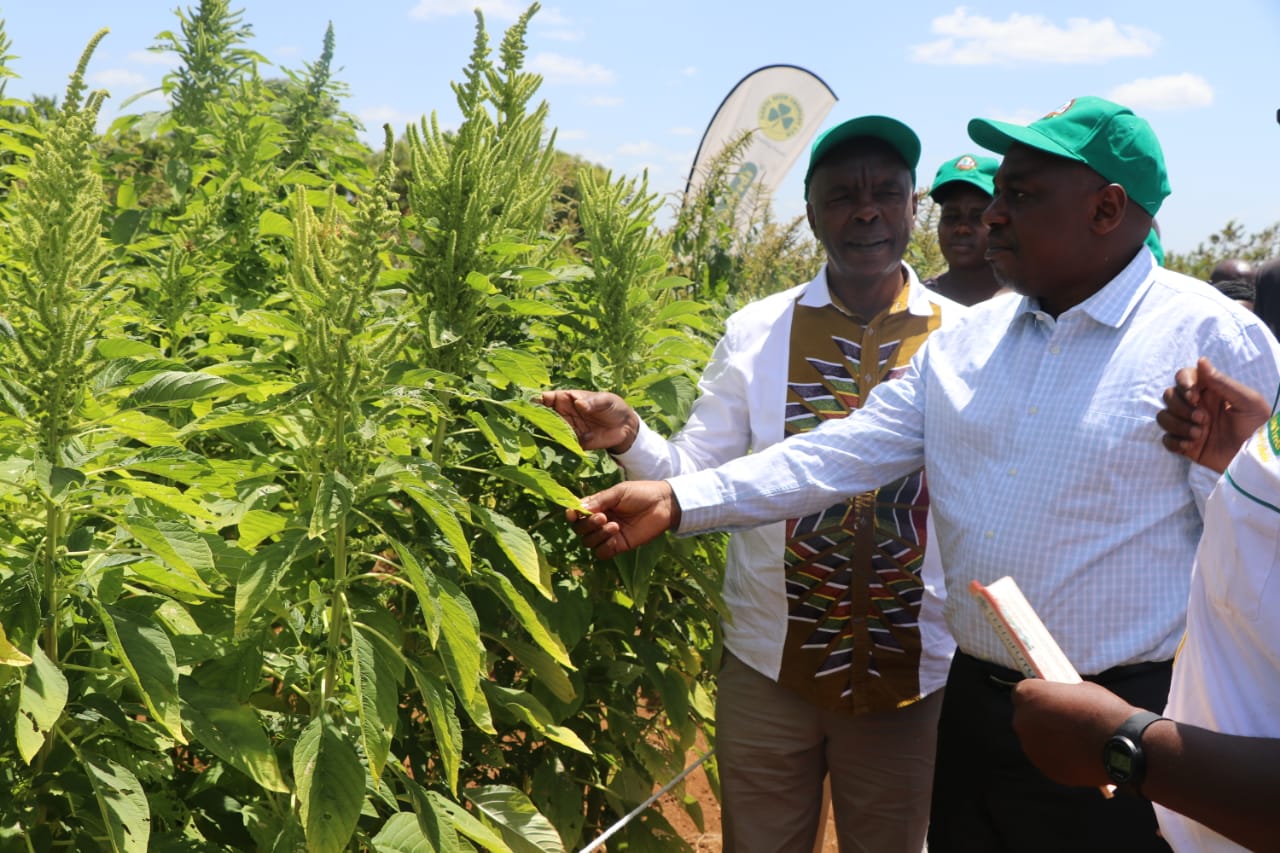
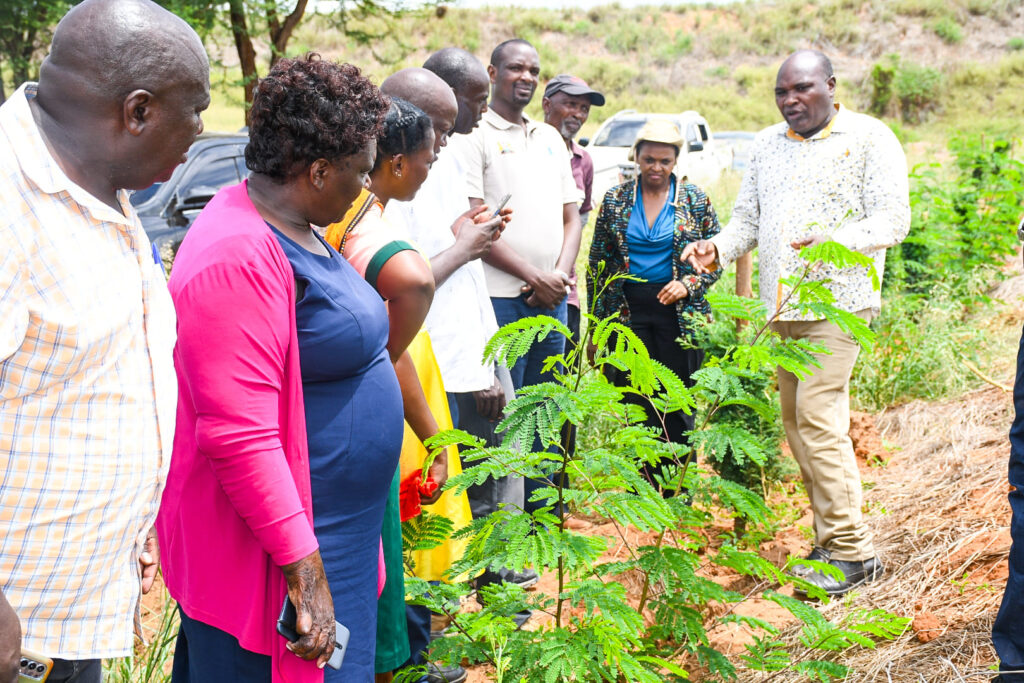
Makueni County deputy governor Lucy Mulili on Tuesday inspected the ongoing Sh13 million Water Project in Mbulutini, Thange Ward, in a bid to fast-track improved access to clean water.
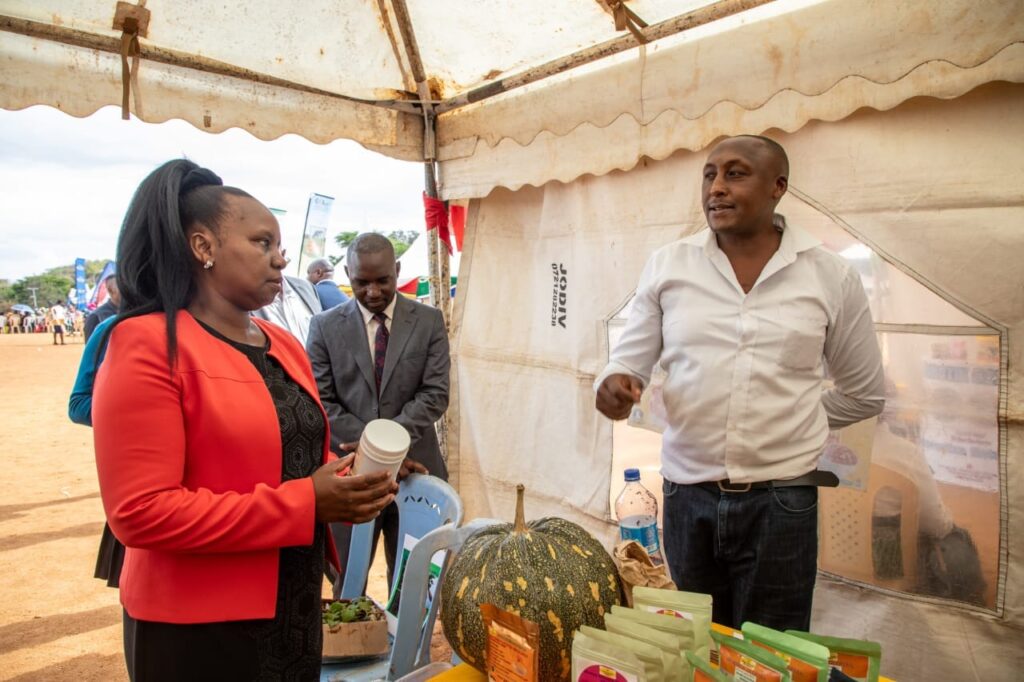
Accompanied by area MCA Eric Katumo, the Deputy Governor assessed progress on the project, which is funded under the Flloca programme in partnership with the County Government of Makueni.
The project includes construction of a 100-cubic-metre distribution tank at Thange Market, additional 20,000-litre storage tanks for surrounding villages, and a sand dam within Thange Forest to boost water harvesting and groundwater recharge.
Thee project is expected to ease chronic water shortages in Thange and neighbouring areas once complete.


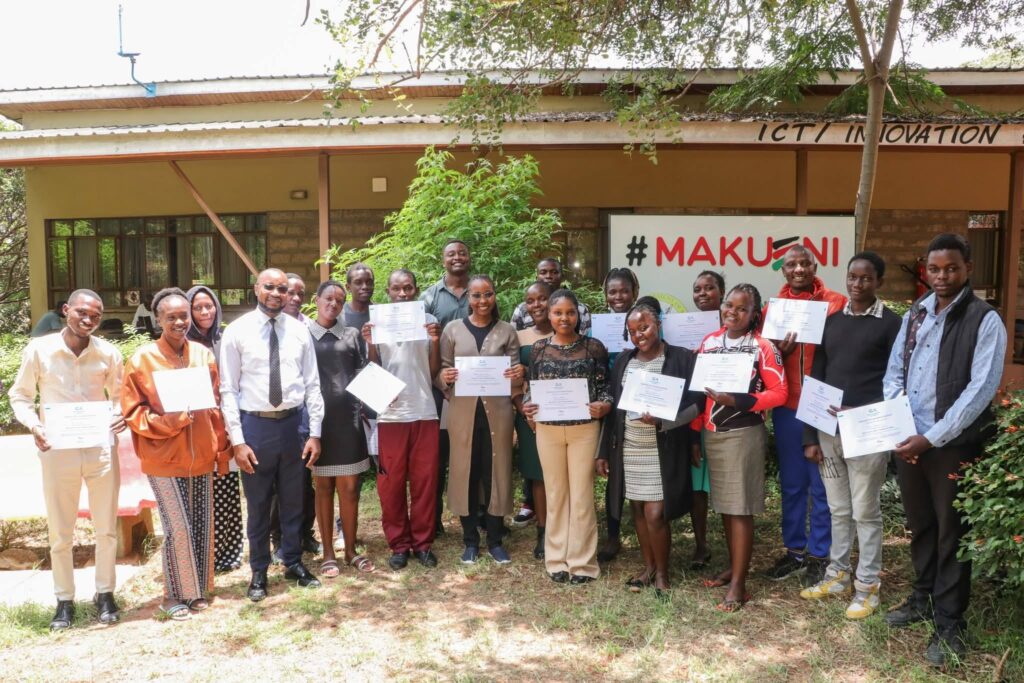
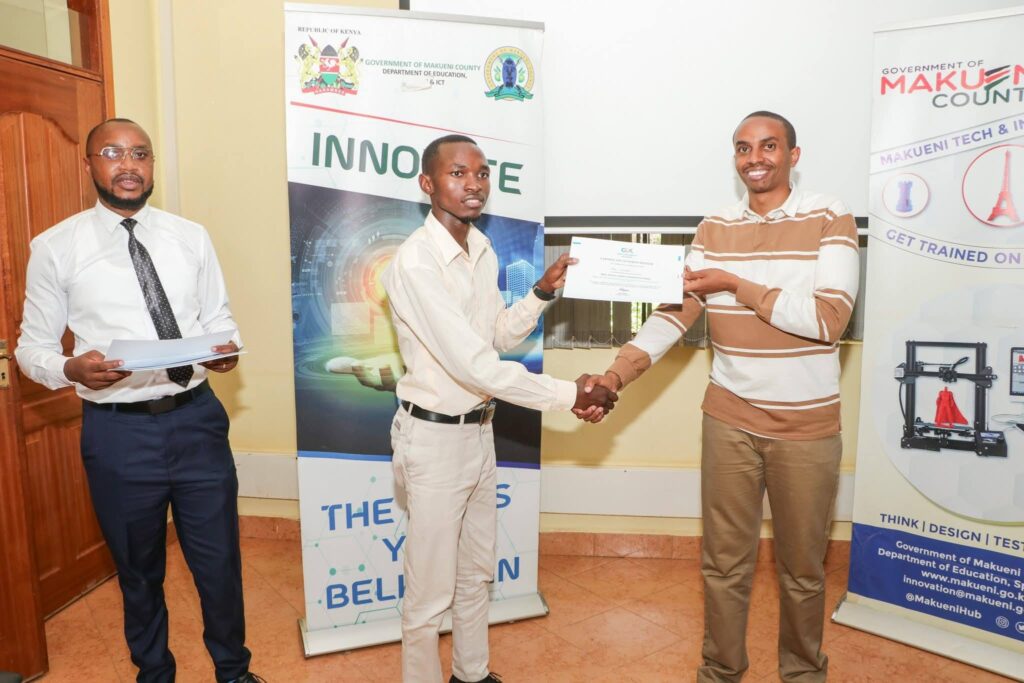
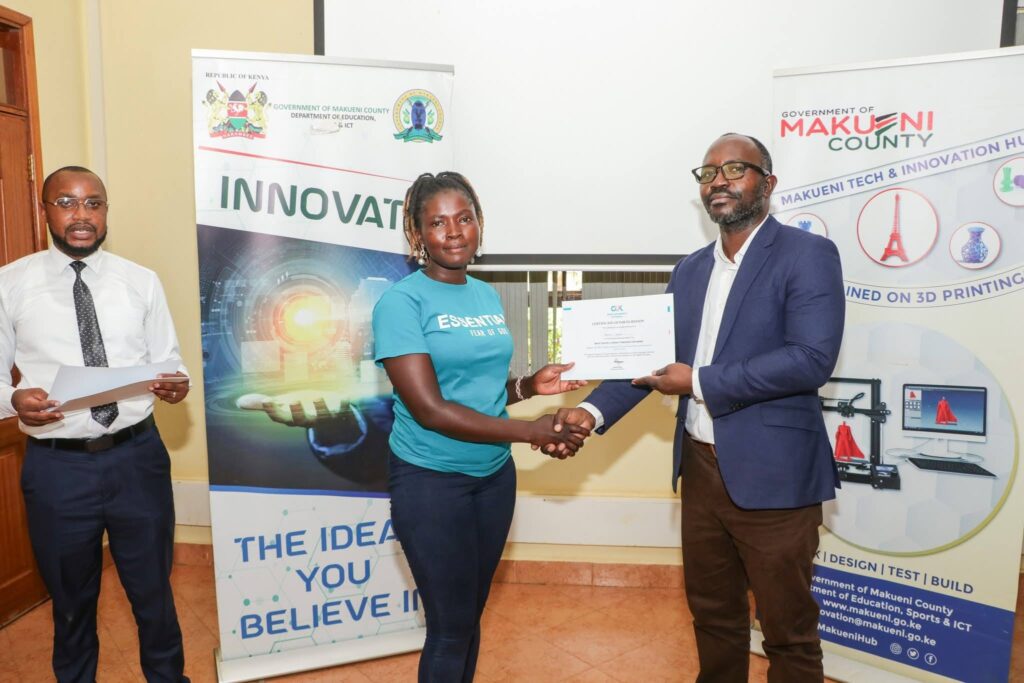
Atleast 90 young people from across the county have been handed tools of trade by the County Government of Makueni to start their own businesses.
The 90 have undergone an intensive 8-week on-the-job training under the supervision of identified master craftsmen through a program dubbed UJUZI TEKE TEKE by the Department of Gender, Children, Youth, Sports and Social Services.
The program, according to Gender Executive Committee Member Eng. Peter Mumo, is geared towards bridging the capital gap in entrepreneurial development by young people.
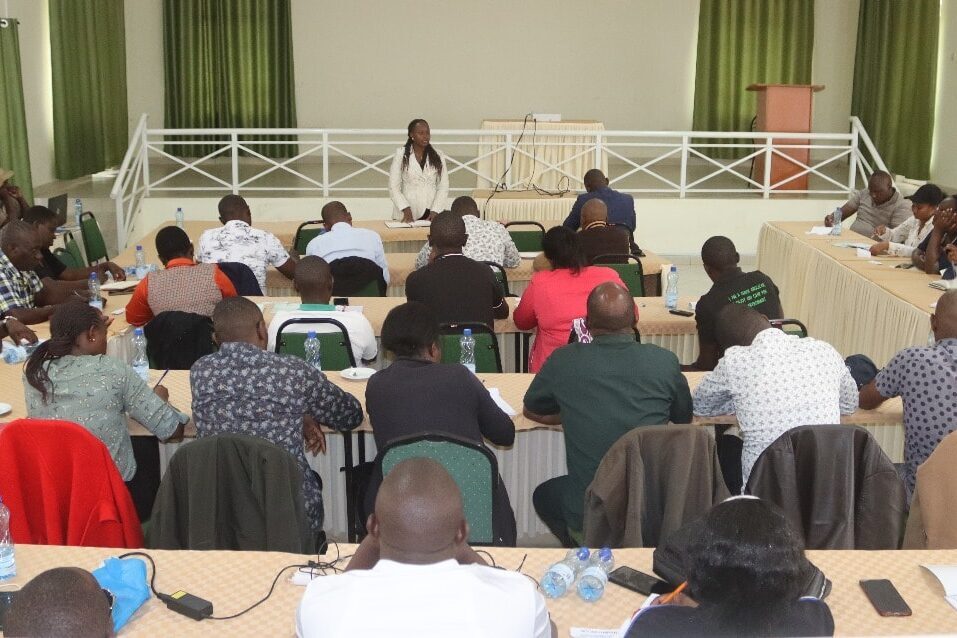
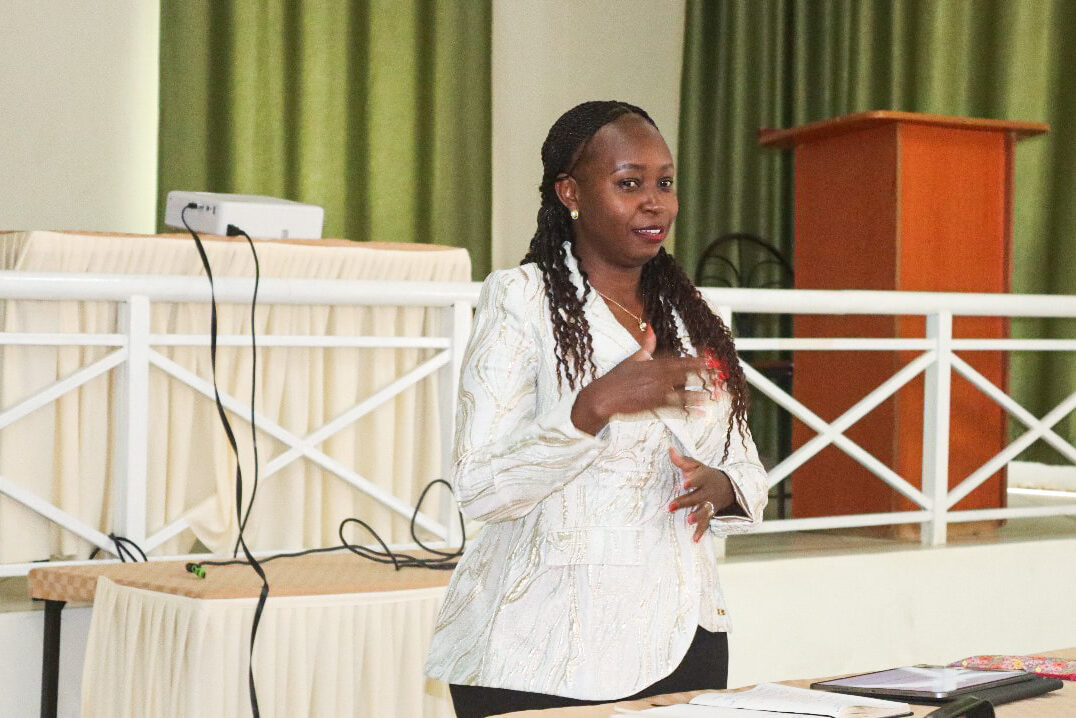
Deputy Governor Lucy Mulili who graced the event held at the Makueni Integrated Vocational Education Centre, Wote, said the county government aims to create a critical mass of skilled man power who can steer the county economy through self-employment and provision of cheap skilled labour.


While Makueni faces higher water demand than the supply capacity, water service providers have struggled with the menace of unaccounted for water (Non-Revenue water).
Statistics from the three water supply companies: WOWASCO, KIBWASCO and MBOWASCO indicate that non-revenue water accounts for 30 percent of the total water produced and which never reach consumers.
This menace has continued to pile pressure on the county government’s purse as it invests more resources in water infrastructure development to meet the daily demand of 60,000,000 liters. Current water production stands at 30,000,000 according to Water Executive Committee Member John Kieti.
To quell the non-revenue water problem, Governor Mutula Kilonzo Jr has instructed water companies in the county to invest in technology such as smart meters, bulk water meters, high-density polyethylene pipes and leakage detectors.
The roll out of the smart meters has kicked off with 31 water points done in collaboration with Welt Hunger Hilfe (WHH) and Water Mission already installed. This has recorded a huge success and the water department plans to replicate this in all water dispensing points.
The smart meters have also reduced revenue leakages as customers use prepaid token cards or mobile money wallets to pay for water drawn. This means that all the water one draws is equivalent to the amount of token points swiped, and all the cash goes to a bank account.
To enhance the smart metering program, the county government has secured Sh 39M funding from USAID’s Sustainable, Transformational, and Accessible WASH Interventions (STAWI) project. The funding will support the three water service providers, each getting Sh 13M, to install the smart meters in all their water points across the county.


[WOTE] May 14,2024
Makueni Department of Health Services Collaborates with NHIF to Enhance Revenue Collection
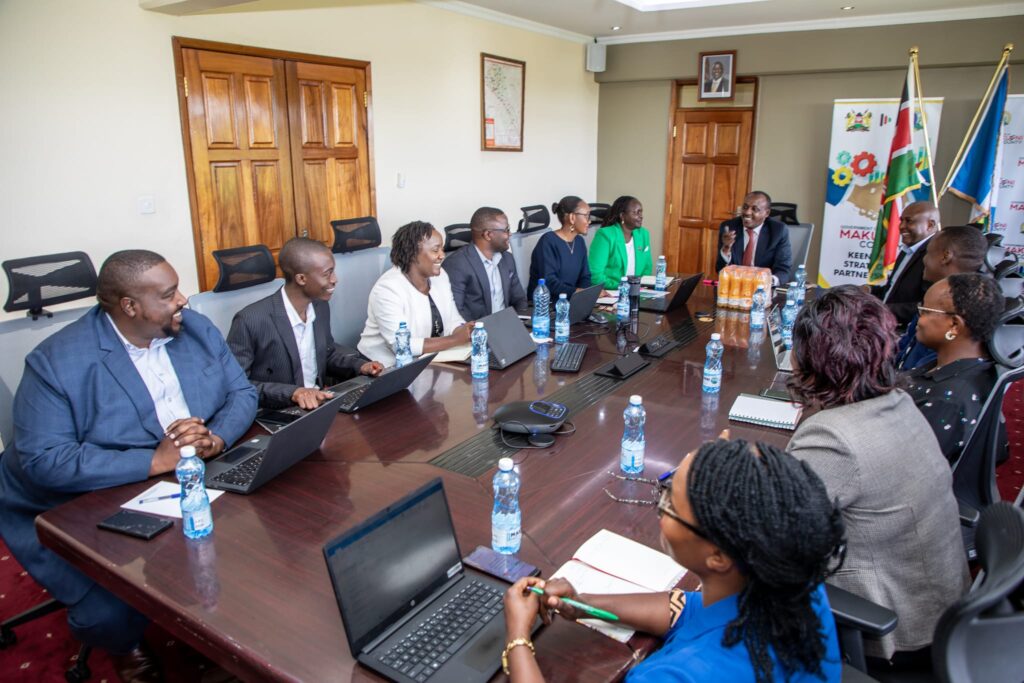
In a move to enhance own source revenue in Makueni County, the Department of Health Services, led by Ag. CECM Ms. Elizabeth Muli, held a consultative meeting on Tuesday with NHIF Wote Branch, headed by Branch Manager Mr. David Kimanzi.
Key initiatives discussed included:
– Ensuring all hospitals are able to register NHIF patients across 24-hours in all hospitals.
– Collaborating with NHIF to correctly classify all hospitals to their operational levels (Level 4 and Level 5)
– Ensuring timely claims processing through weekly submissions by all facilities.
The Department of Health Services expressed appreciation for NHIF’s support, while NHIF reiterated its commitment to efficient claims processing despite high workloads.


Residents of Thange Ward are finally enjoying reliable access to clean and safe water following the completion of the Thange Integrated Water Project, a transformative initiative implemented by the Government of Makueni County through the Climate Change Unit under the Financing Locally-Led Climate Action (FLLoCA) programme.
For years, families in the area endured acute water shortages, a crisis worsened by contamination of local water sources caused by oil spills.
Today, that burden has significantly eased.
The project has brought treated and solar powered water closer to residents’ homes through a modern water supply system comprising a 100,000-litre water sump and intake along Thange springs, extensive distribution lines and four strategically located water points.
Residents say the project has restored dignity and improved livelihoods, with households now accessing quality treated water just a stone’s throw from their homes. At least 730 households alongside institutions including Thange Primary and St. Peters Secondary Schools, whose learners and staff now have a dependable water supply.
Beyond water access, the initiative has strengthened household resilience through climate-smart livelihood support, where community members received conical gardens and beehives to enhance food production and generate additional income.


In a bid to streamline poverty alleviation efforts, the Makueni County Government in 2025 launched the Ultra-Poor Graduation Policy to promote socio-economic empowerment and sustainable development.
Against this backdrop, the county has opened its doors to development partners to support vulnerable households in transitioning from extreme social and financial exclusion to self-sufficient participation in the economy.
One such initiative is the Survival Intervention Programme, spearheaded by Compassion International in collaboration with the Baptist Church in the Kathyaka area, Kikumbulyu Ward.
The programme supports pregnant women by providing maternal healthcare from pregnancy through delivery, and continues to offer educational support to their children until completion of their studies.
In addition, the organisation is implementing complementary programmes aimed at improving livelihoods, including smart agriculture for food security, apiary farming, and family planning services.
Speaking during the launch of the Survival Intervention Programme, Deputy Governor Lucy Mulili, who was the chief guest, commended development partners for walking alongside the county in ensuring residents access essential services.
She further highlighted key development projects implemented under Governor Mutula Kilonzo Jr.’s administration, among them the Athi Tunguni Water Project, which serves Kikumbulyu North, Makindu, and Nguumo wards.


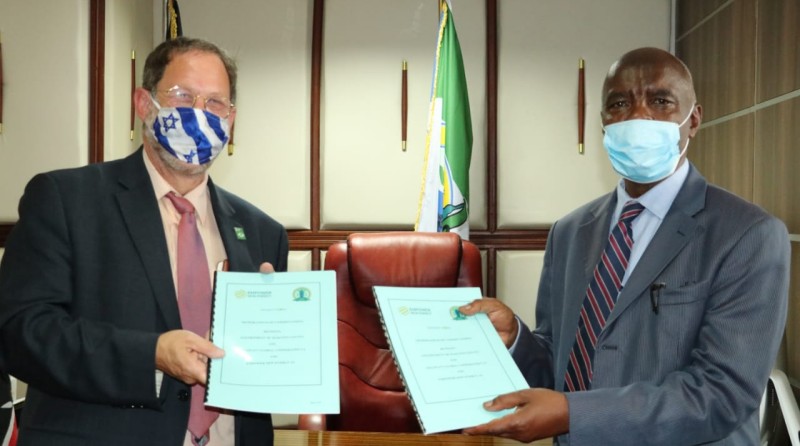
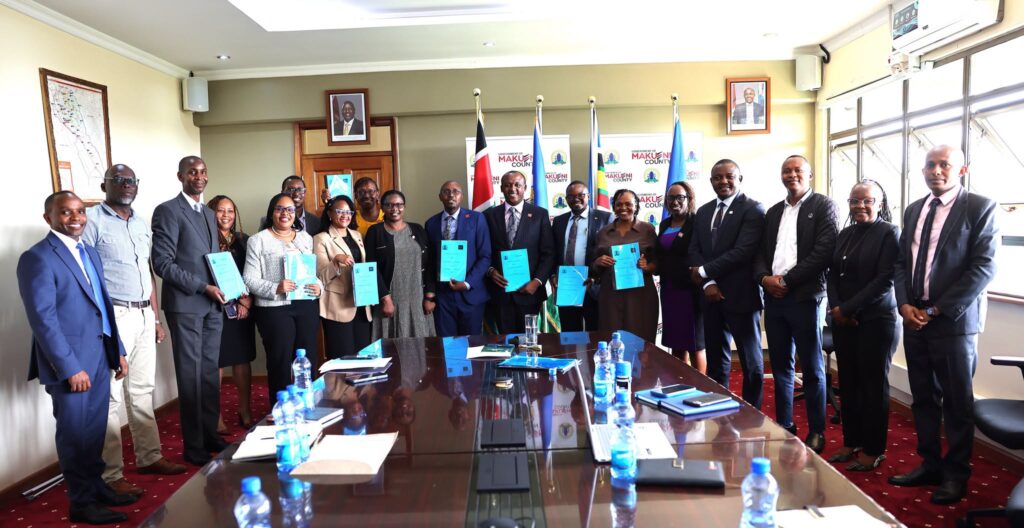
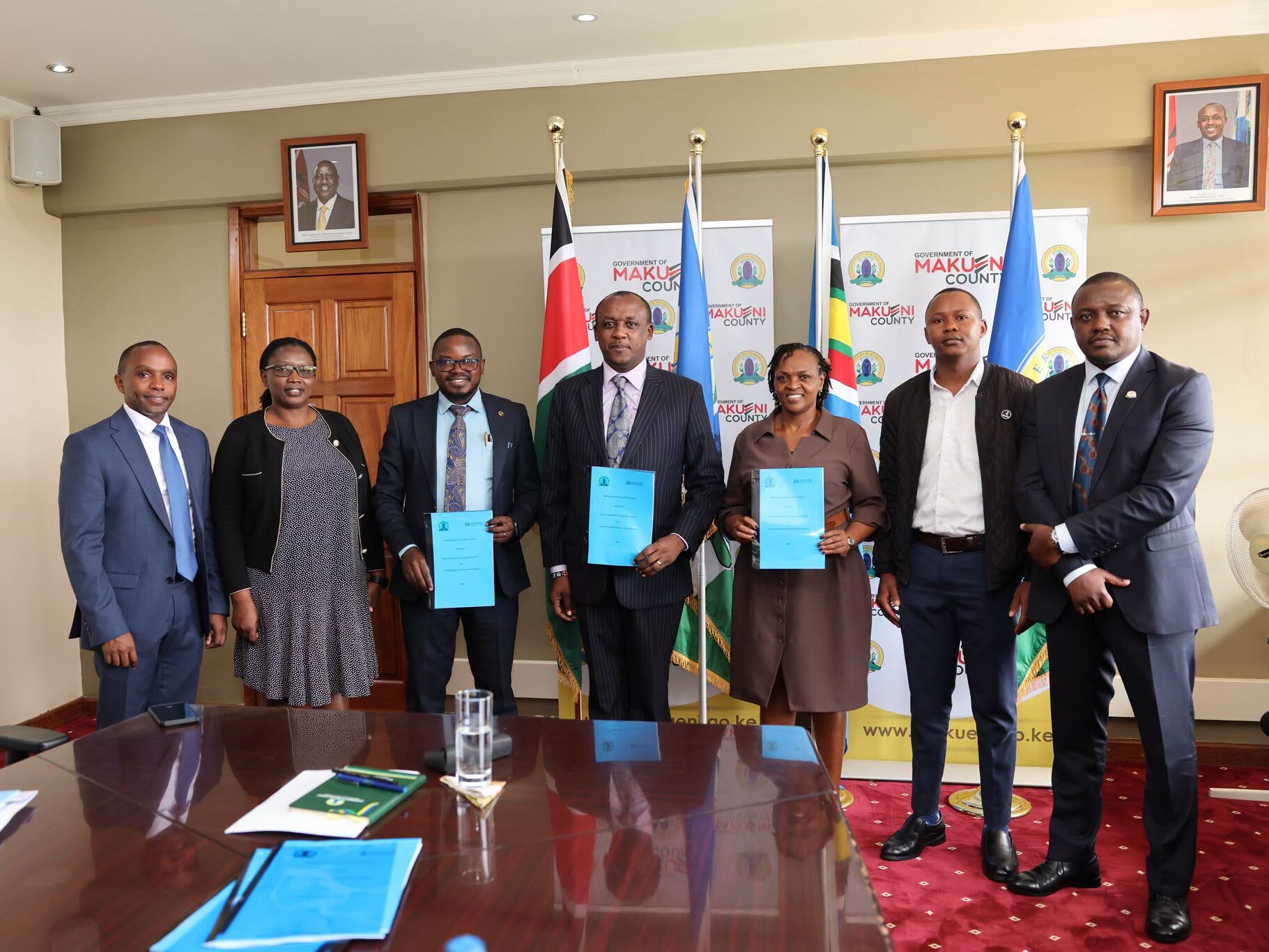
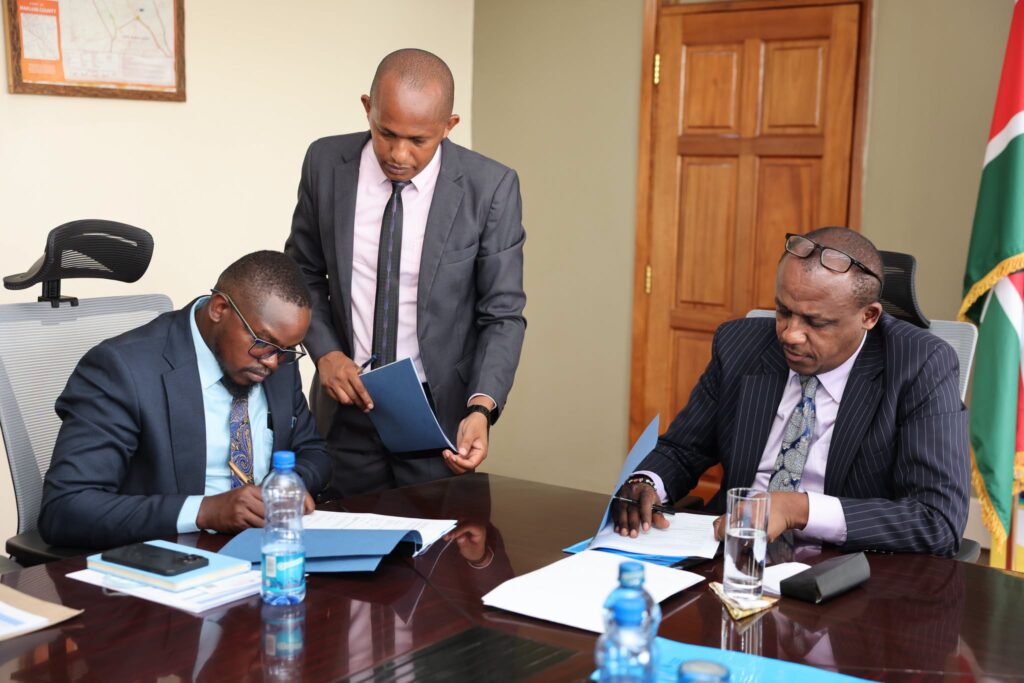
Makueni County has signed a Memorandum of Understanding (MoU) with Mawingu Foundation to expand internet connectivity to sub-county hospitals, paving the way for wider deployment of Proximie’s digital healthcare technology across the county.
The agreement will strengthen last-mile internet connectivity in health facilities, allowing Makueni to scale the Proximie platform from the Makueni County Referral Hospital to hospitals in remote parts of the county.
The move is expected to improve access to specialized healthcare services by enabling doctors and specialists to support medical teams remotely, reducing the need for patients to travel long distances for treatment.
Makueni became the first county in Africa to adopt Proximie technology in its public healthcare system in 2022. The platform enables real-time remote collaboration during medical procedures through live video, audio and augmented reality tools, allowing specialists to guide surgeries, offer consultations and mentor clinicians from different locations.
Governor Mutula Kilonzo Jr. said the expansion reflects the county’s commitment to using technology to bridge gaps in healthcare access, particularly for residents in undeserved areas.
He noted that the system has helped reduce unnecessary referrals while improving training, data protection and the overall quality of care in county health facilities.
The signing was witnessed by Proximie’s Head of Global Health, Dr. Shannon Shibata-Germanos, who praised Governor Mutula for pioneering the adoption of the technology in Kenya’s public health sector and for leading efforts to scale the innovation across the county.


Makueni has yet again registered another first on its healthcare provision following signing of a multilateral agreement to combat non-communicable diseases in the county.
The county government in collaboration with Sandoz Pharmaceutical, Medtronic Inc and Management Sciences for Health, a non-profit corporation shall deliver an end-to-end non-communicable disease care model to achieve improved patient outcomes.
The 2-year partnership deal was arrived at on Friday by Makueni Governor Kivutha Kibwana, Cluster Head Norvatis Social Business Dr. Nathan Mulure, Medtronics Regional health head Africa, Chemutai Langat and Management Sciences for Health Country project director Ndinda Kusu at the governor’s office in Wote.

The care model will include; awareness and education on the chronic diseases; screening for the diseases in the community; capacity building and health system strengthening through training of community healthcare workers and volunteers; diagnosis through existing, identified health facilities and provision of quality and affordable medications.
Governor Kibwana welcomed the deal saying it was going to strengthen the County’s Community Health Strategy as well as revolutionize the Universal Health Care program.
Makueni CEC for Health Dr. Mulwa who witnessed the signing of the partnership disclosed that the County is the first to sign the deal. The model is expected to be rolled out in Nyeri and Kakamega counties.
The County Health Chief Officer, Dr. Patrick Musyoki said, “This partnership has come at the right time. NCDs are silent killers causing 55% of deaths in hospitals yet most of the African countries have not taken up the challenge.”