Skip to content Skip to left sidebar Skip to footer

News

UNITED AGAINST PERIOD STIGMA.

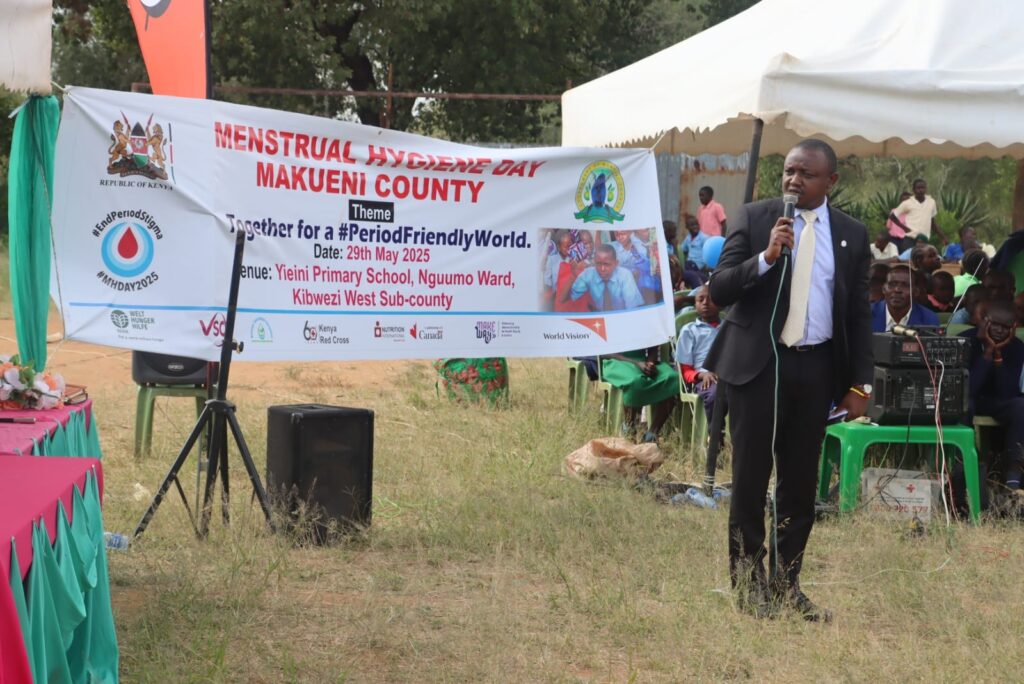
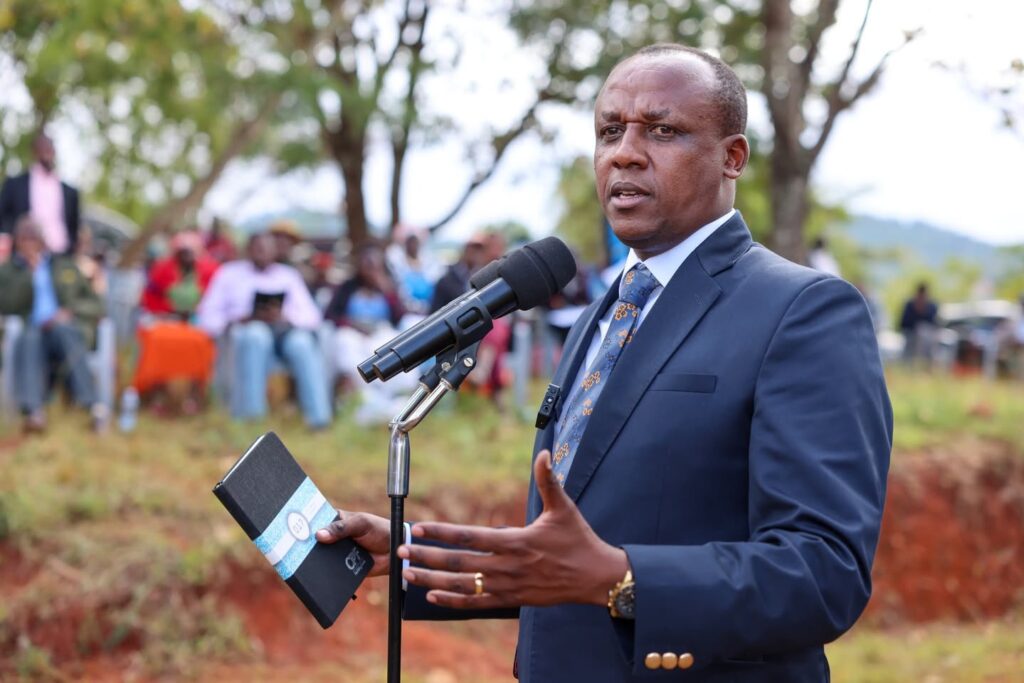
In a bid to eliminate stigma around menstruation and promote inclusive health, Health Services ECM Dr. Paul Musila has called on communities and stakeholders to join hands in supporting menstrual hygiene initiatives.

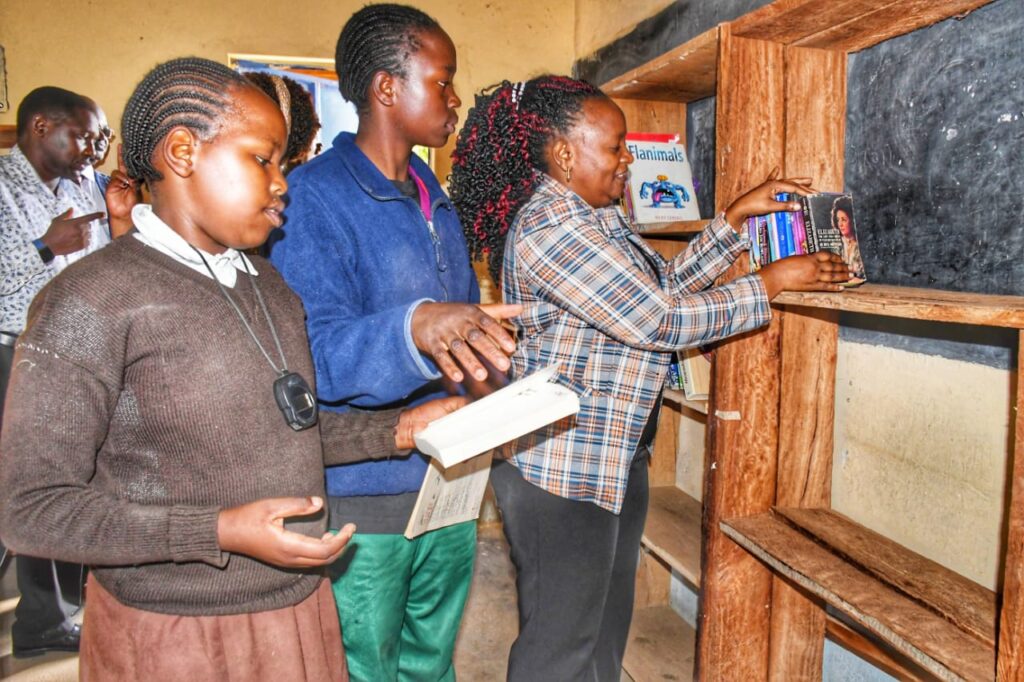
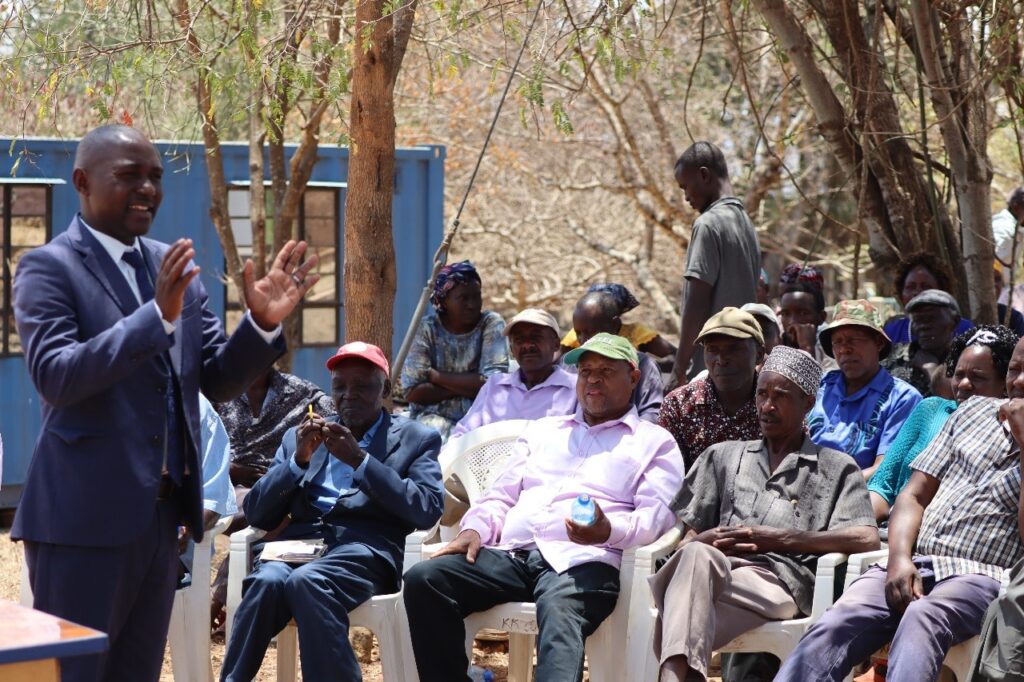
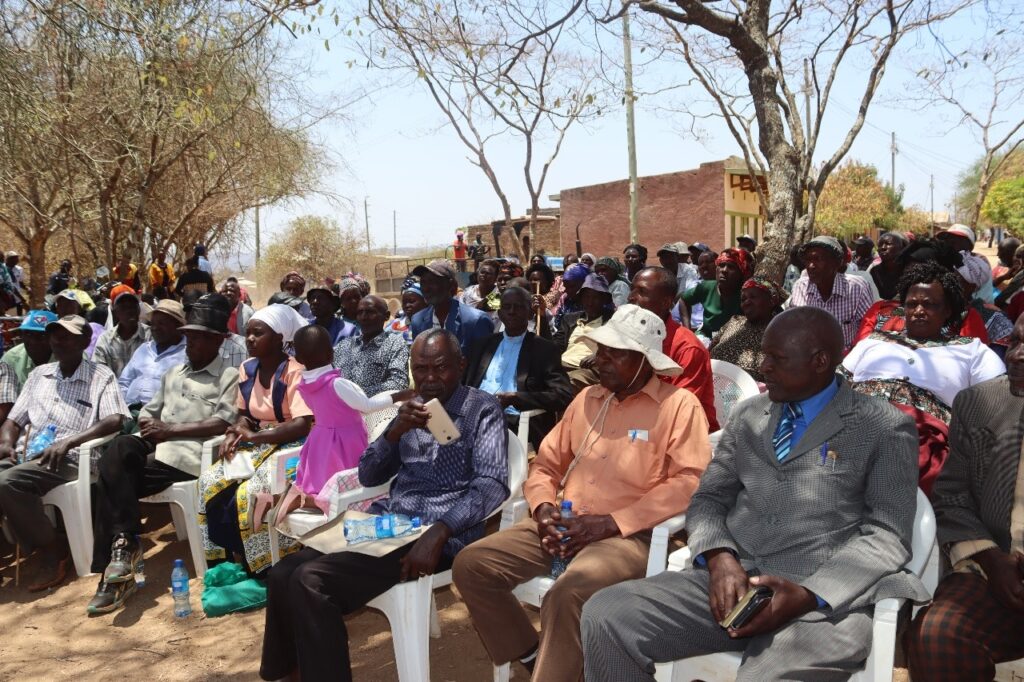
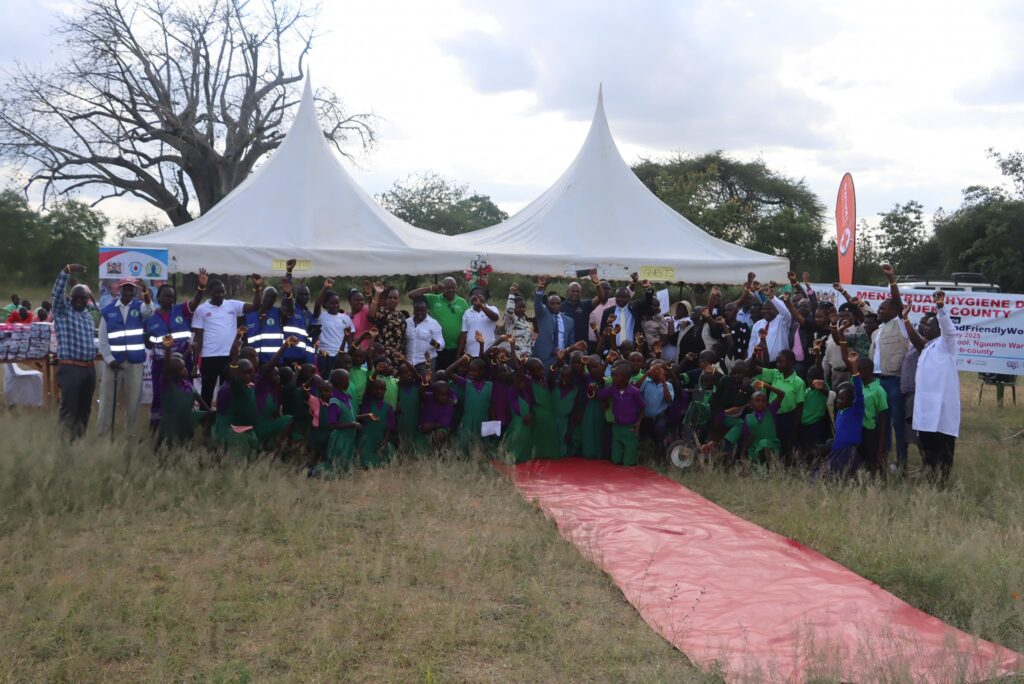
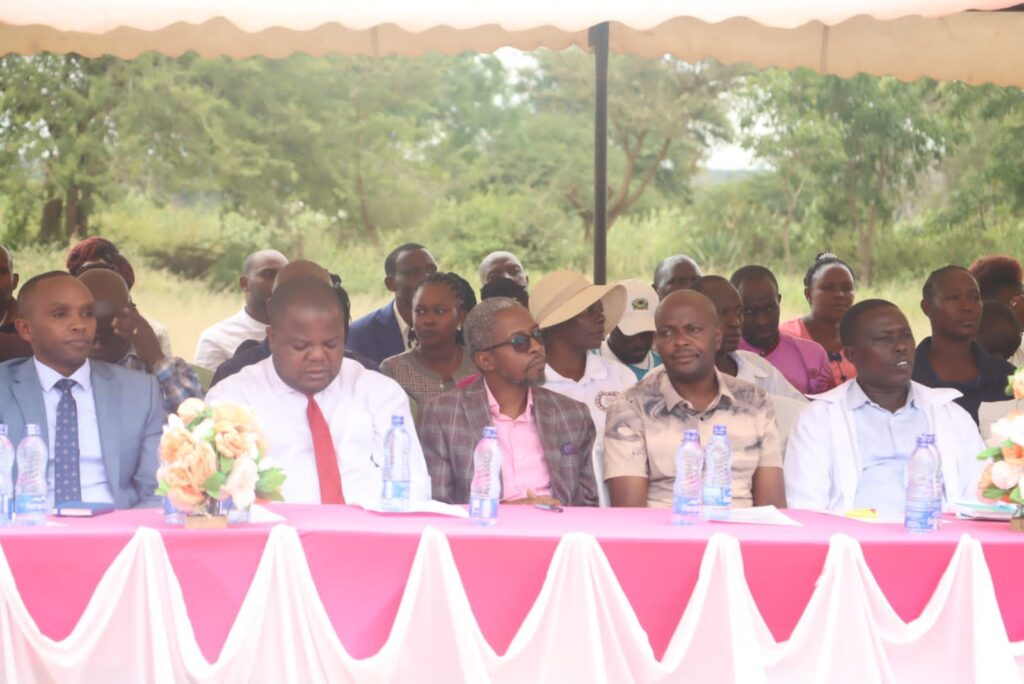
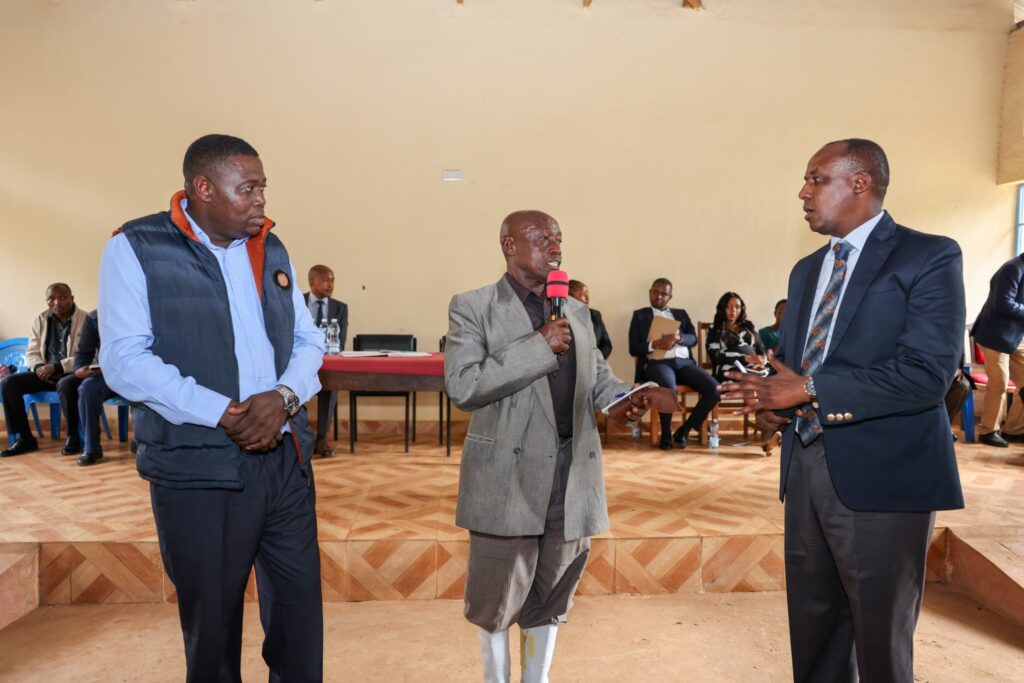
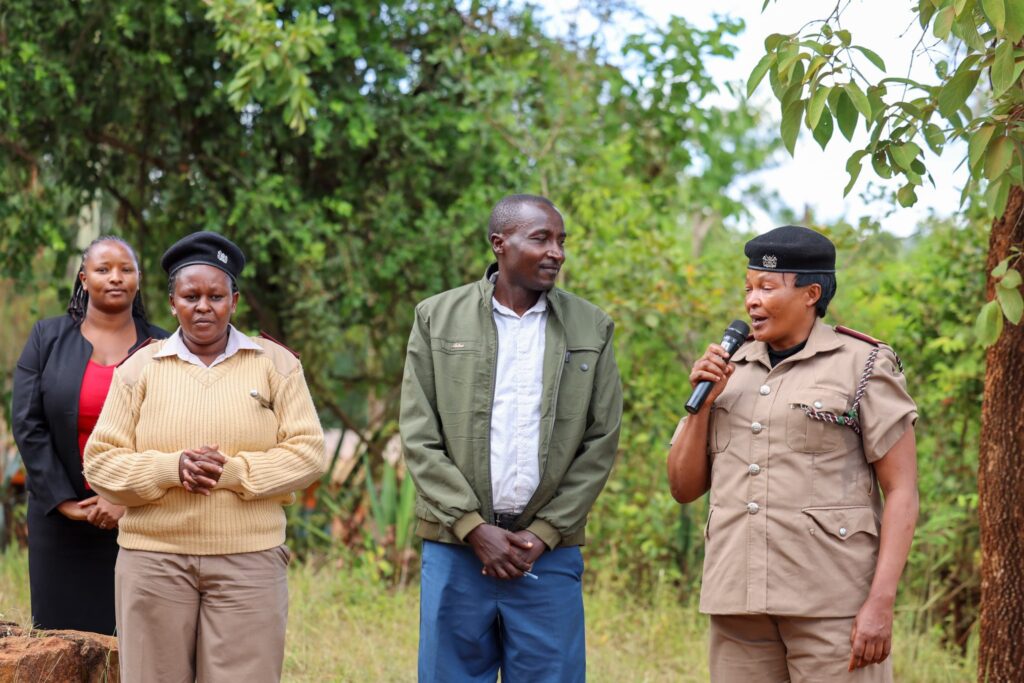
During the commemoration of World Menstrual Hygiene Day held on Thursday at Yieini primary school in Kibwezi West sub county, Dr. Paul Musila led an event aimed at breaking taboos and improving sanitation standards for learners.

He emphasized the critical role of community support, partnerships, and stakeholder collaboration in creating a stigma-free environment for menstruating girls.

He launched dignity pack distribution for adolescents—both girls and boys—as a show of inclusivity and shared responsibility.
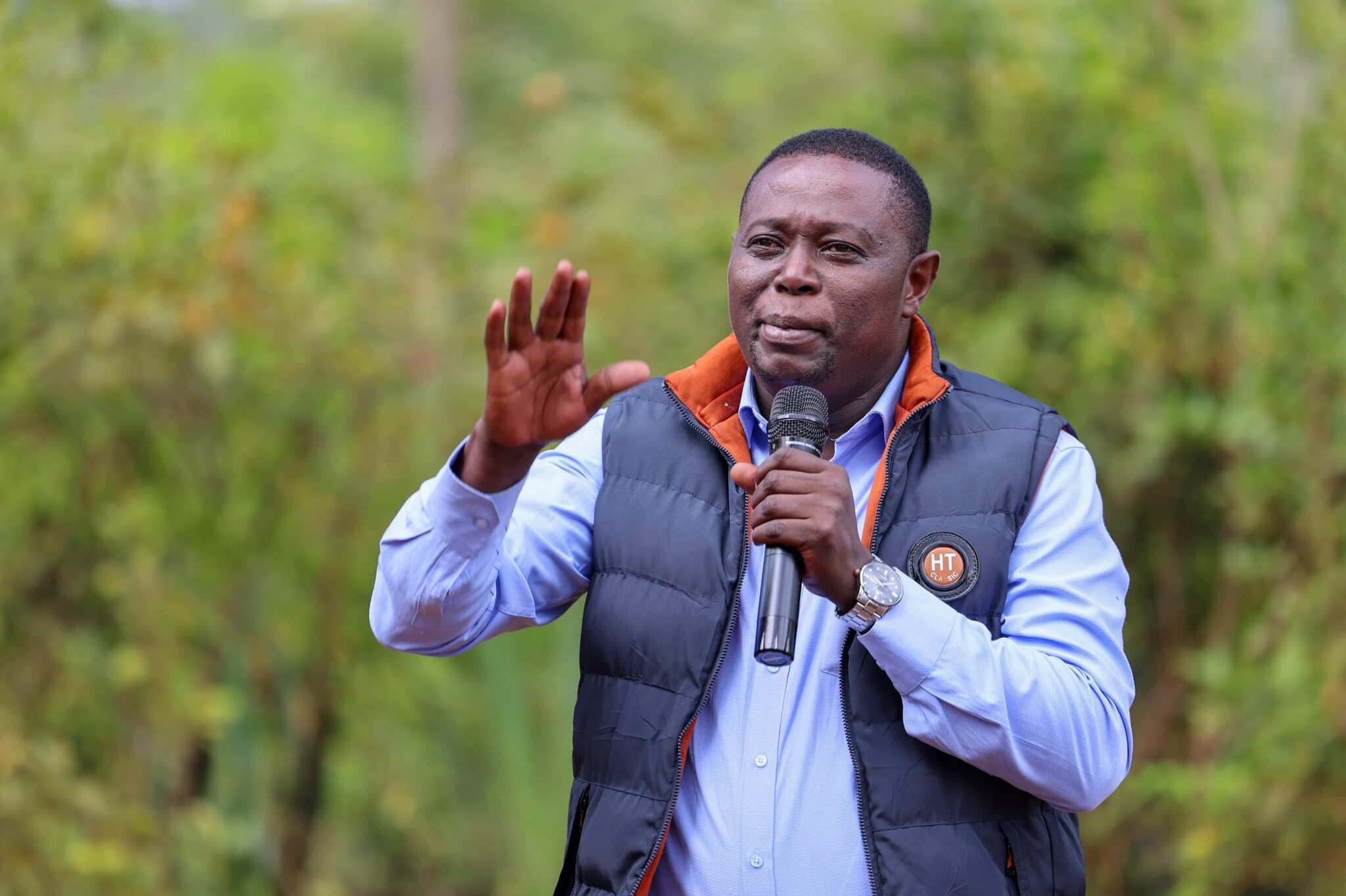
The initiative also spotlighted the need for sustained efforts in providing menstrual hygiene products and ensuring schools have adequate water, sanitation, and hygiene (WASH) infrastructure to support girls during their periods.
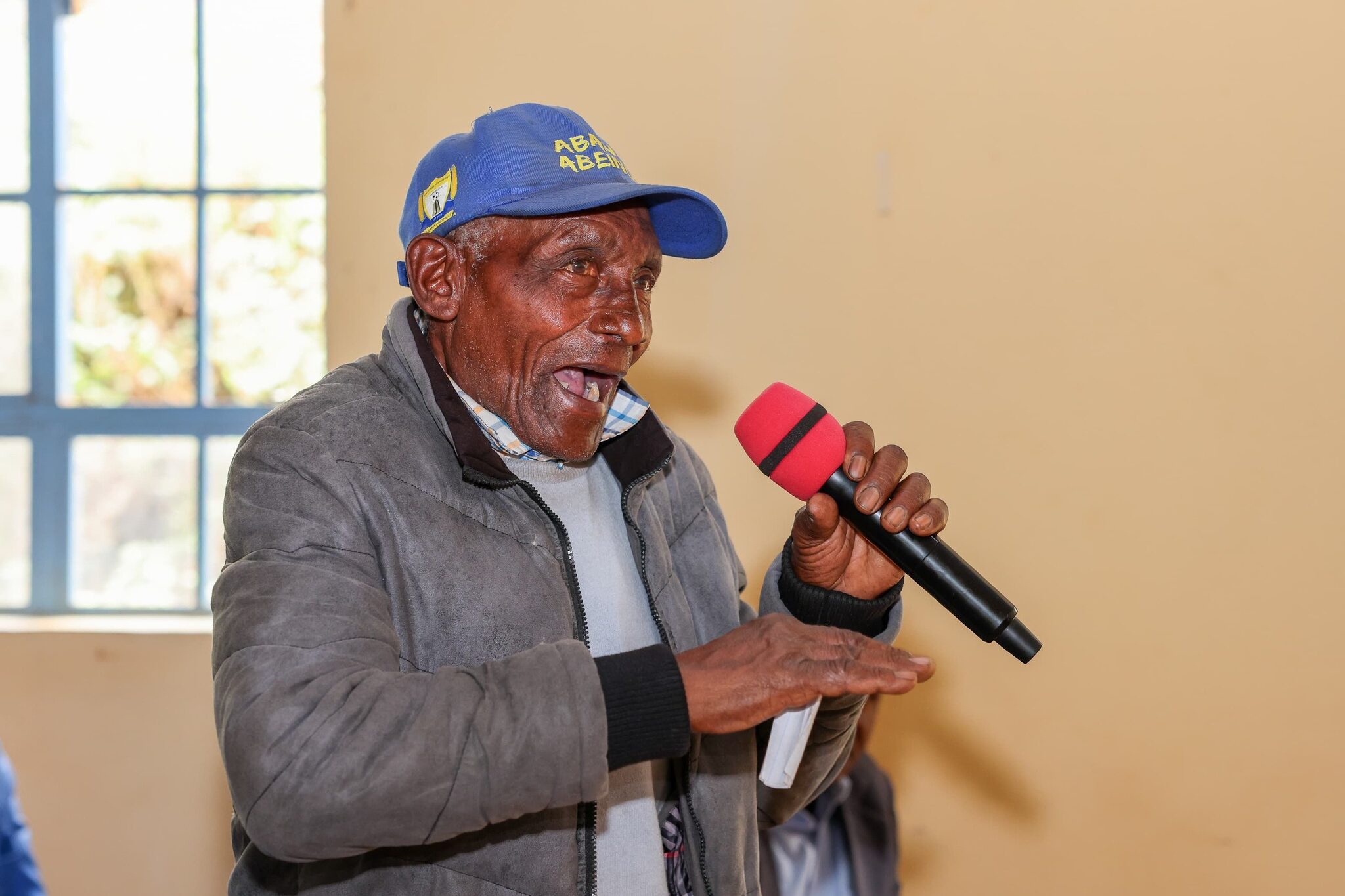
Chief Officer for Health Administration, Human Resource and Management, Dr. Harvey Mulei, echoed the call for enhanced stakeholder engagement in supporting menstrual health, underlining that access to proper hygiene resources is a basic right, not a privilege.

UNICEF AND MAKUENI COUNTY EXPLORE PARTNERSHIP TO BOOST EARLY CHILDHOOD DEVELOPMENT

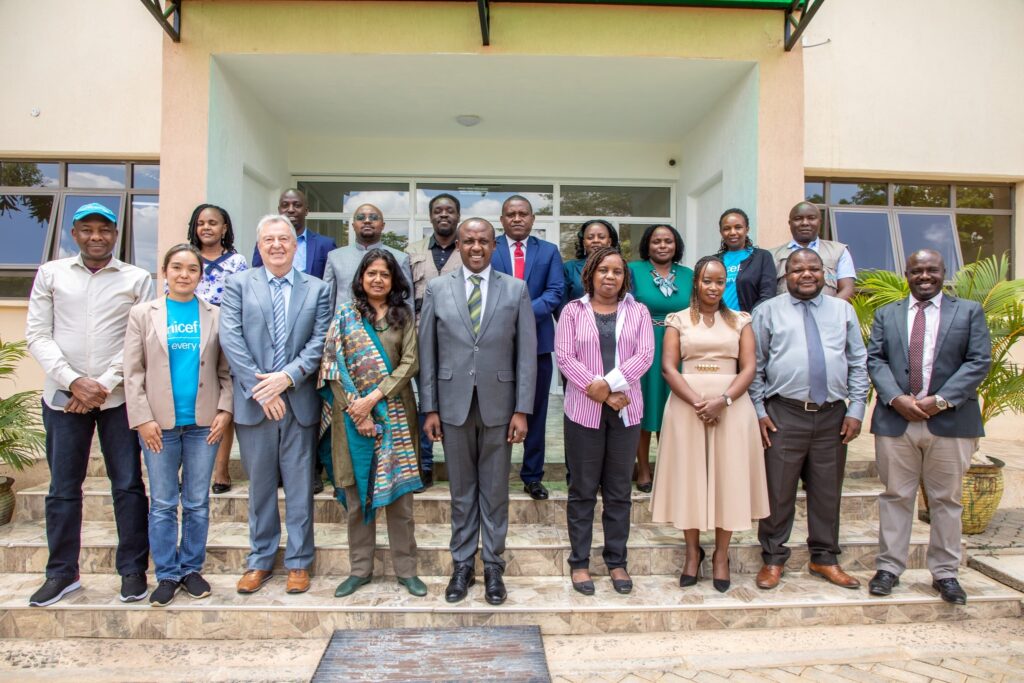
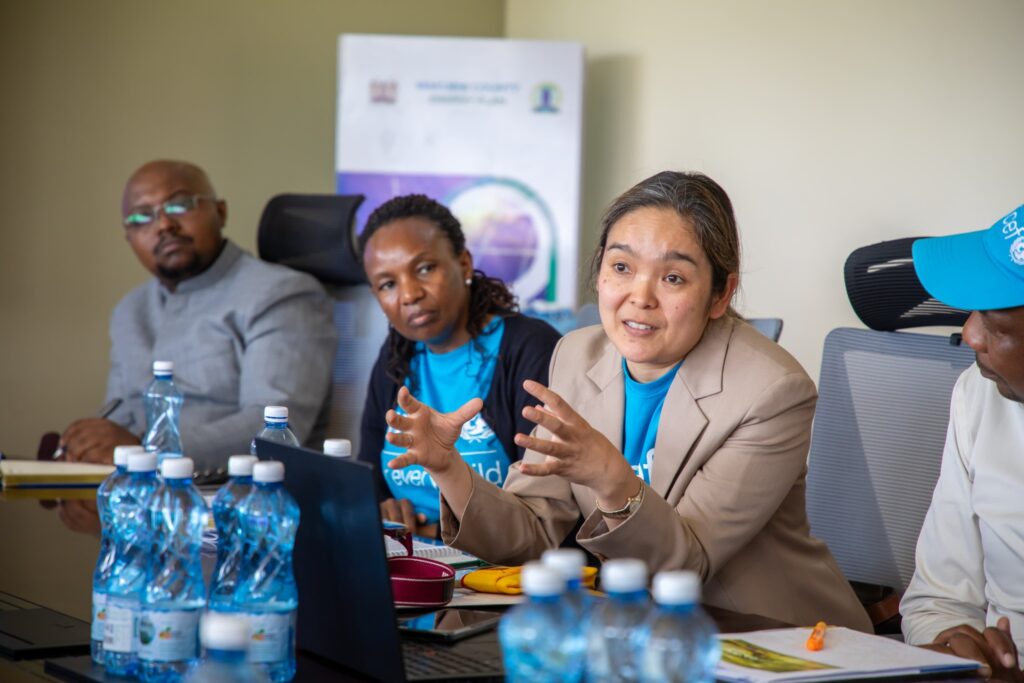
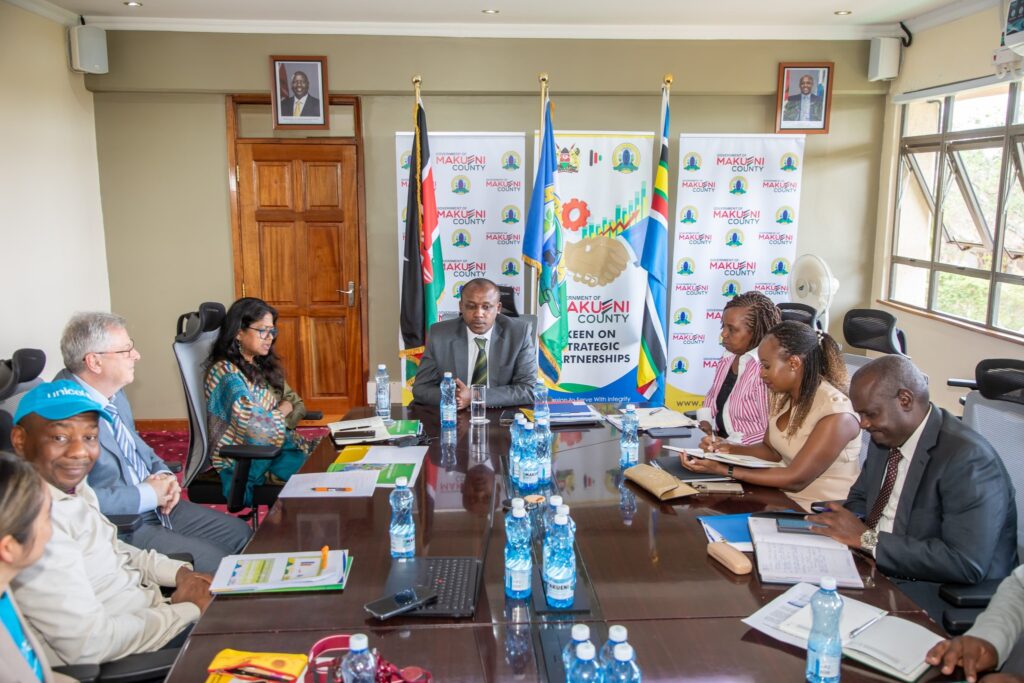
UNICEF Country Director to Kenya, Shaheen Nilofer, alongside Makueni Governor Mutula Kilonzo Jr., led a pivotal meeting today aimed at exploring potential collaboration to advance Early Childhood Development Education (ECDE) in Makueni County. The discussions centered on strengthening efforts to improve the quality of education and care for young learners.

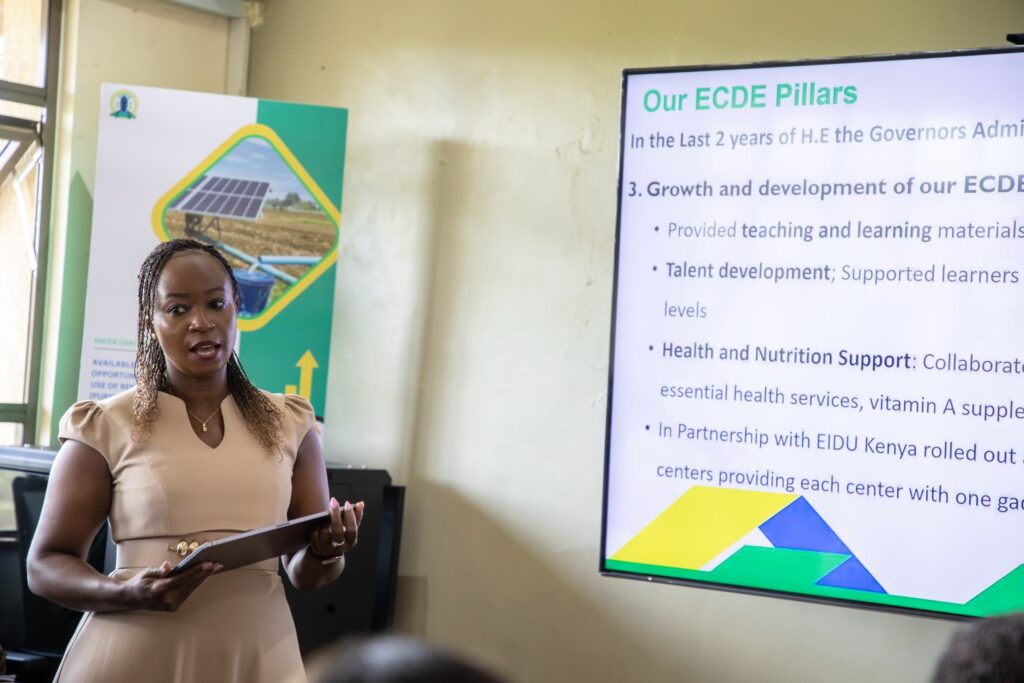
Makueni County has made remarkable progress over the past two years in transforming its ECDE sector, with a strong focus on infrastructure enhancement, teacher development, and learner support. The county has excelled in providing essential teaching and learning materials, fostering talent development, and ensuring the health and nutritional well-being of ECDE learners. Notably, the county’s health department has successfully reached 1,298 ECDE centers between January and June 2024, representing a 93% coverage rate.

During the meeting, both parties explored key areas for future collaboration. These included promoting health and nutrition initiatives, introducing school feeding programs, and providing digital learning gadgets to enhance modern learning methods. Additionally, the introduction of kitchen gardens was discussed as a way to diversify the learners’ diets, alongside efforts to improve water sanitation, hygiene interventions, and social protection programs for young children.

Ms. Nilofer praised Makueni for its commitment to empowering teachers and building a robust ECDE infrastructure. She emphasized the importance of early childhood interventions, noting that catching children at this formative stage is critical for long-term success. “Makueni has set an excellent example with what it has achieved so far,” Nilofer remarked, commending the county for prioritizing early learning and expressing confidence in the potential for future collaboration.

UNICEF leadership further acknowledged the county’s progress and expressed interest in supporting its digital learning platforms, which aim to increase parental engagement in the educational process. The exchange of best practices and the scaling of successful initiatives were highlighted as key opportunities for collaboration.

Governor Mutula Kilonzo Jr. reaffirmed his administration’s dedication to strengthening ECDE in the county and welcomed UNICEF’s support in expanding these efforts. “We are committed to giving our young learners the best foundation possible,” he said, expressing optimism about the long-term impact of these partnerships. Governor Kilonzo also underscored Makueni’s readiness to work closely with UNICEF in implementing the proposed initiatives to further uplift the county’s early childhood education landscape.

The meeting concluded on a hopeful note, with both leaders expressing their shared vision of creating a brighter future for Makueni’s youngest learners through targeted support and innovative programs.

UNDERSTANDING LAND INHERITANCE

Land inheritance in Kenya follows a legal process to ensure fair distribution of a deceased person’s estate.

This process involves beneficiaries applying for Letters of Administration in court, which are then published in the Kenya Gazette for 30 days to allow objections.

The court then grants probate for wills or issues letters of administration if no will exists.

With regard to the above, Makueni County Government through the office of the County Attorney concluded a seven-day legal clinic on awareness of land succession matters in seven wards.

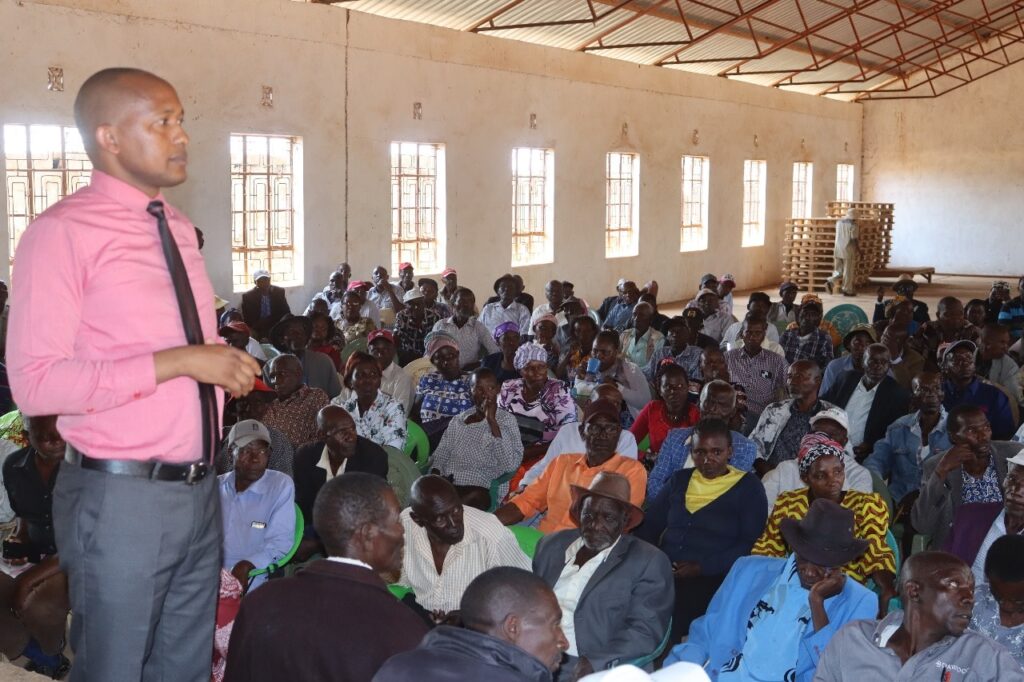
During the clinics that reached thousands of Makueni residents, it became evident that there was a lack of awareness about the succession process, including the transfer of a deceased person’s name to an administrator and the required documentation.

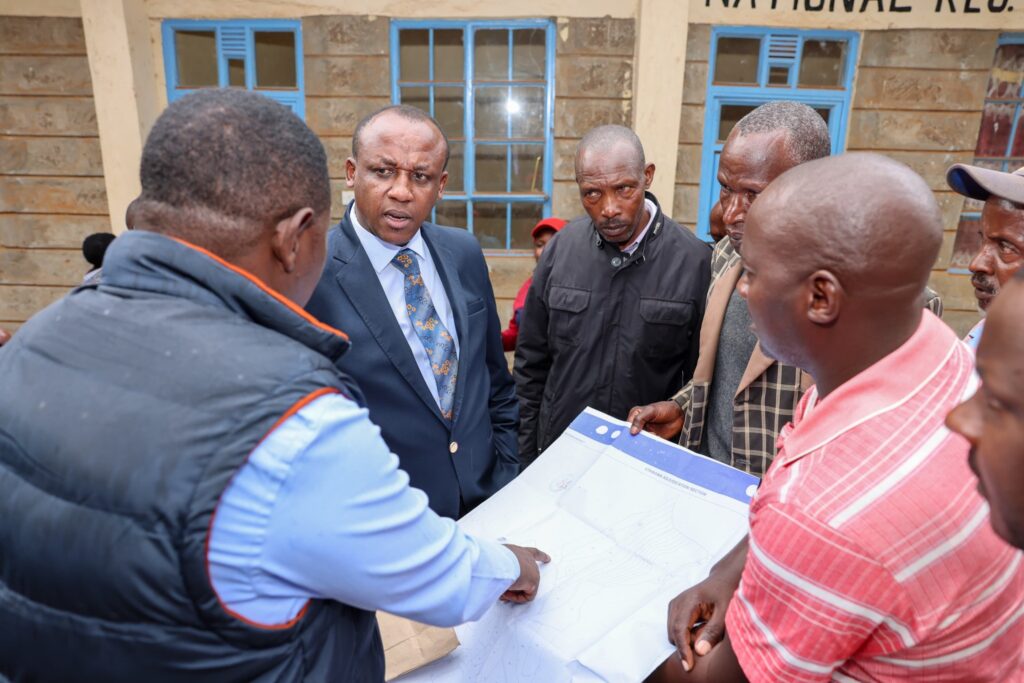
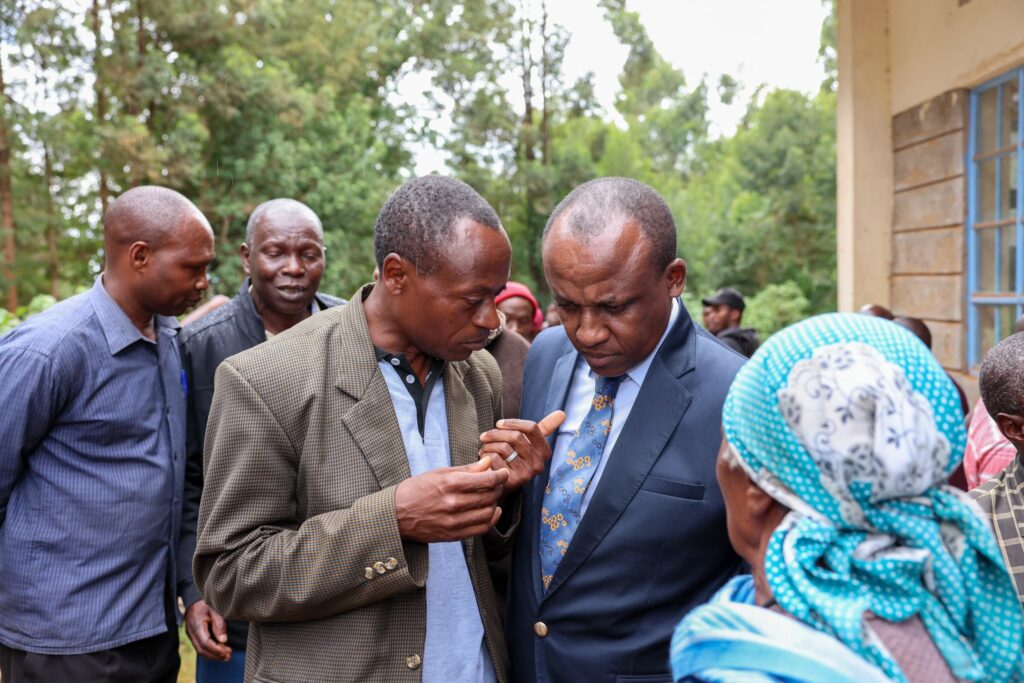
Speaking on Monday at Kithungo/Kitundu Ward, Governor Mutula Kilonzo Jr. emphasized the importance of understanding the legal process to ensure smooth land ownership transitions.

“With proper documentation, families can avoid the risk of losing land due to disputes or fraudulent claims,” he stated.

Governor Mutula further reaffirmed his administration’s commitment to simplifying land succession with proper legal guidance and encouraged residents to allocate funds for the process in the upcoming Budget cycle.

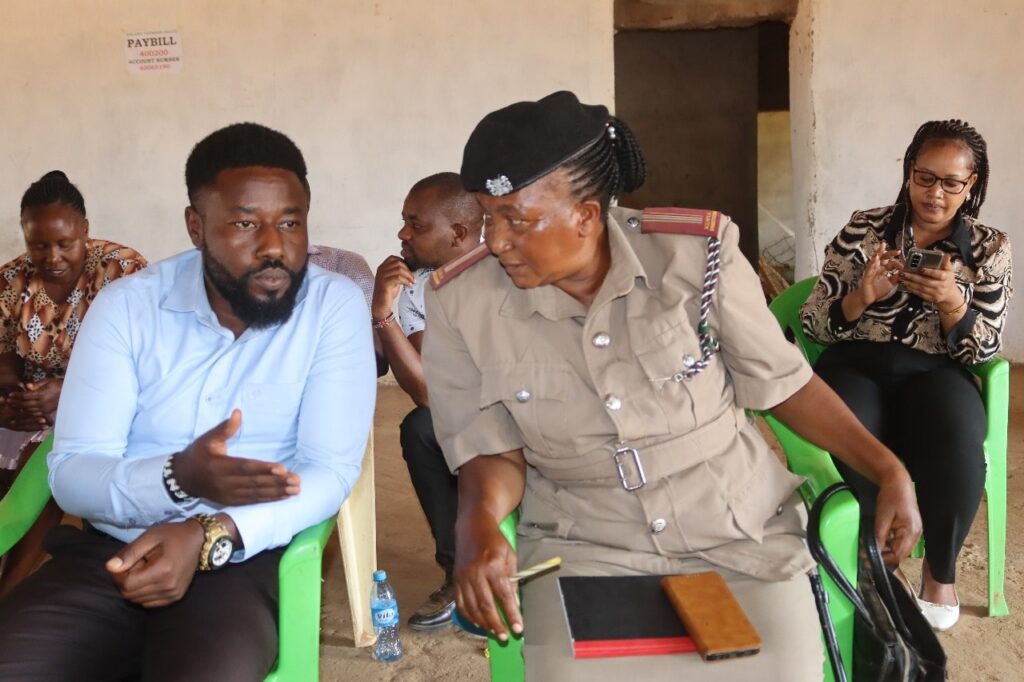
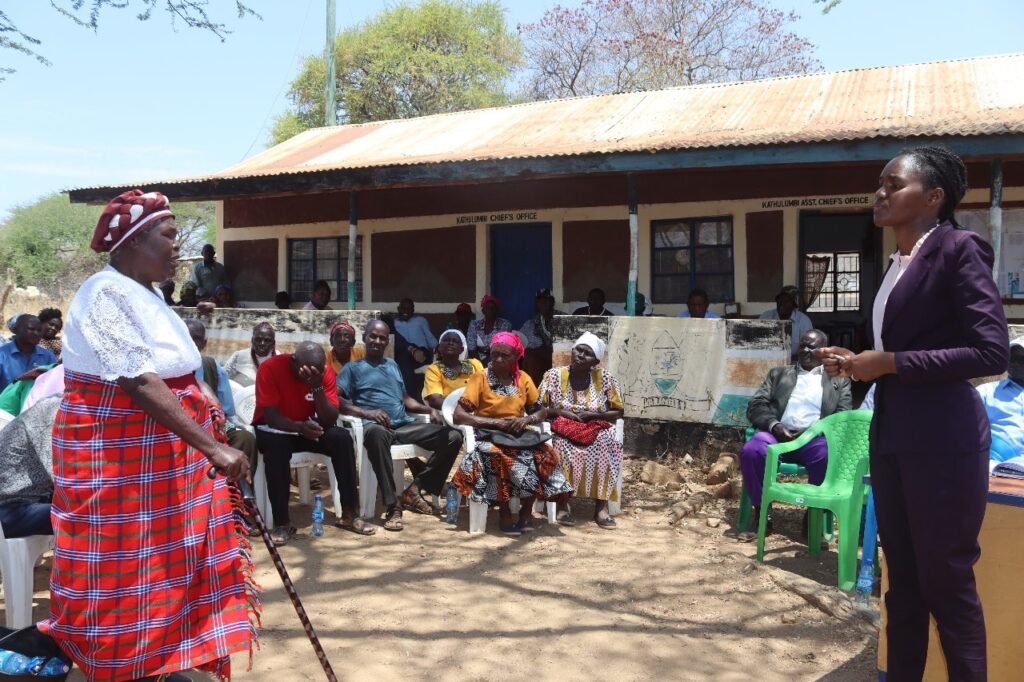
The legal clinics held at Kitundu Social Hall and Kithungo Chief’s Camp, were also attended by area MCA Kisungi Wa Ketete, County Attorney Stanley Nthiwa, County Solicitor Jennifer Kyumwa and Chief Officer Felistus Mutune among other officers.

UN EYES EXPANSION OF MAKUENI’S SAND DAMS SUCCESS ACROSS KENYA

Makueni’s sand conservation efforts have caught the eye of the United Nations Mission in Kenya, which now seeks to replicate the sand dam conservation technology to the rest of the country.

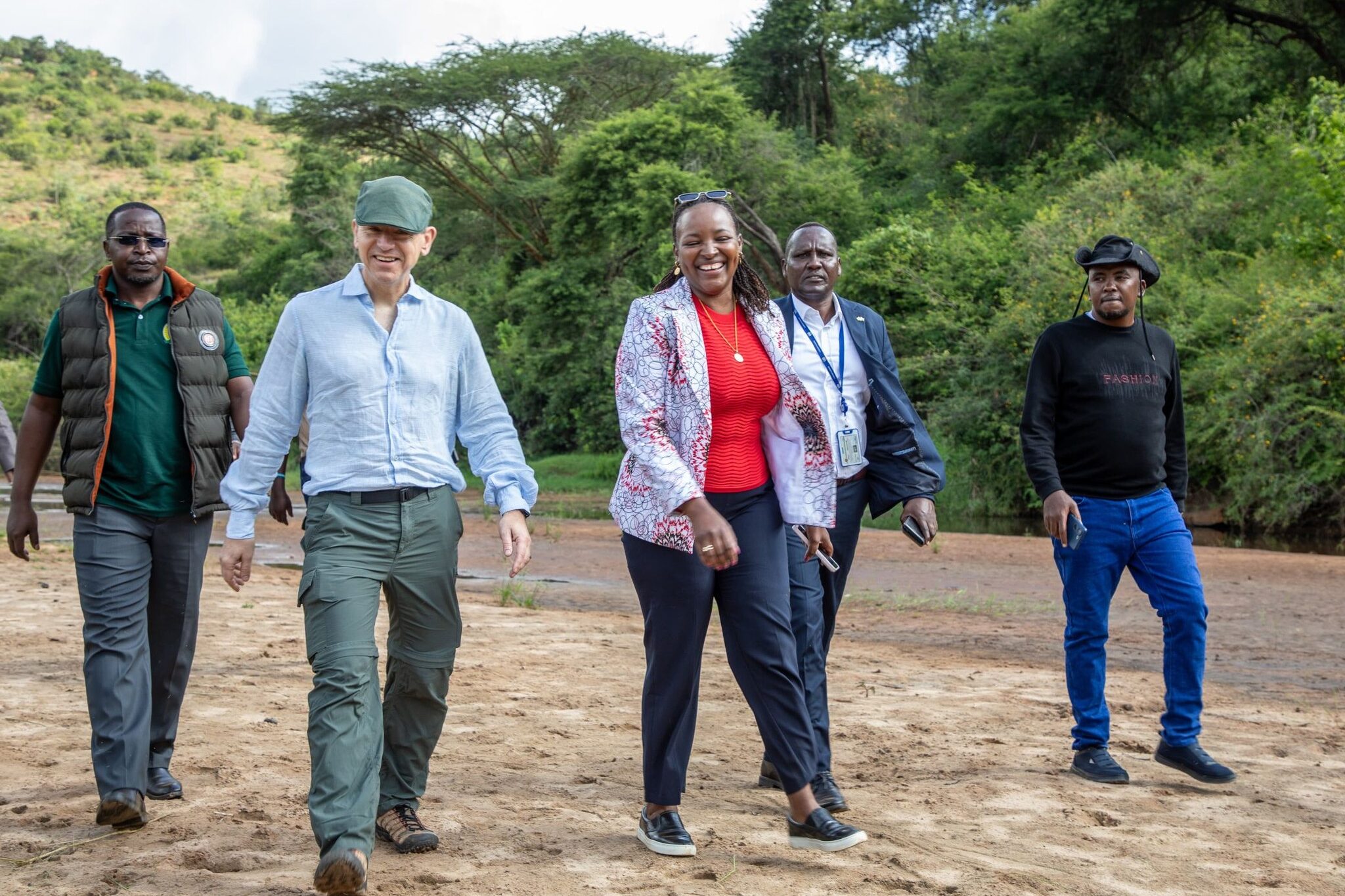
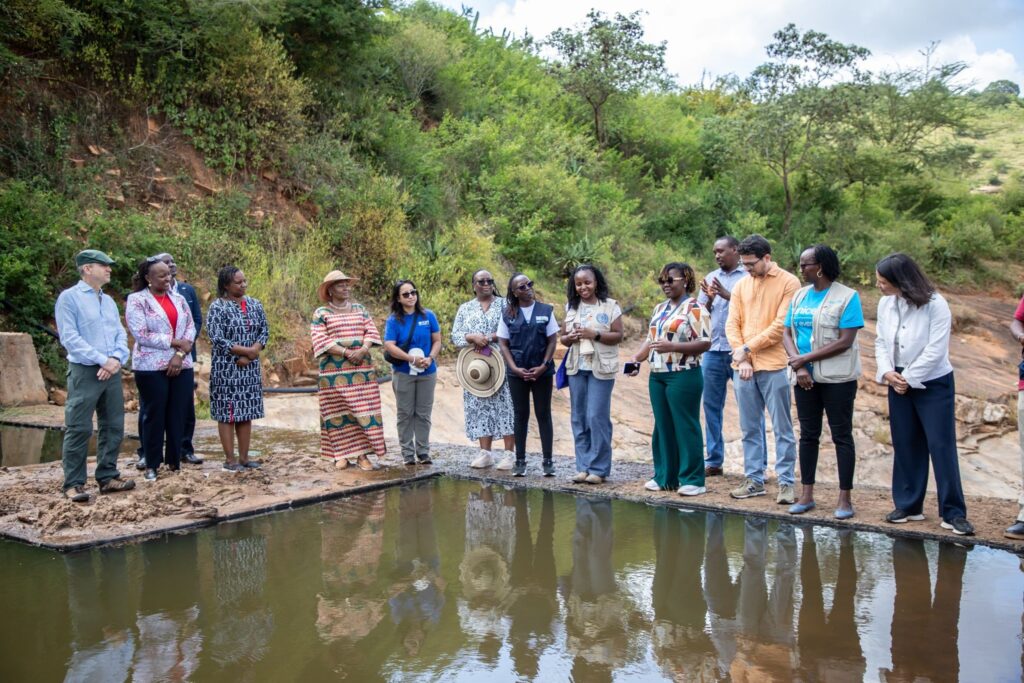
On Friday, a delegation of 12 UN agencies and the State Department of Devolution trooped to Makueni for an experiential learning mission on the impact of sand dams towards addressing water shortages, food security, climate change and ecological restoration.

The experience, according to UN-Mission Kenya Resident Coordinator Dr. Stephen Jackson will be key in upscaling sand dams’ construction in Makueni and other parts of the country through a joint working framework with the Ministry of Devolution and counties.

Governor Mutula Kilonzo Jr who hosted the delegation said Makueni is heavily investing in sand dams as a solution to perennial challenges of hunger, water shortages and negatives effects of climate change. The county has a total of over a 1,000 sand dams, with potential for 1,000 more across its major seasonal rivers.

Devolution Principal Secretary Teresia Mbaika who coordinates all development partners in the country led the UN delegation to Makueni.

Ukambani to benefit from agribusiness initiative

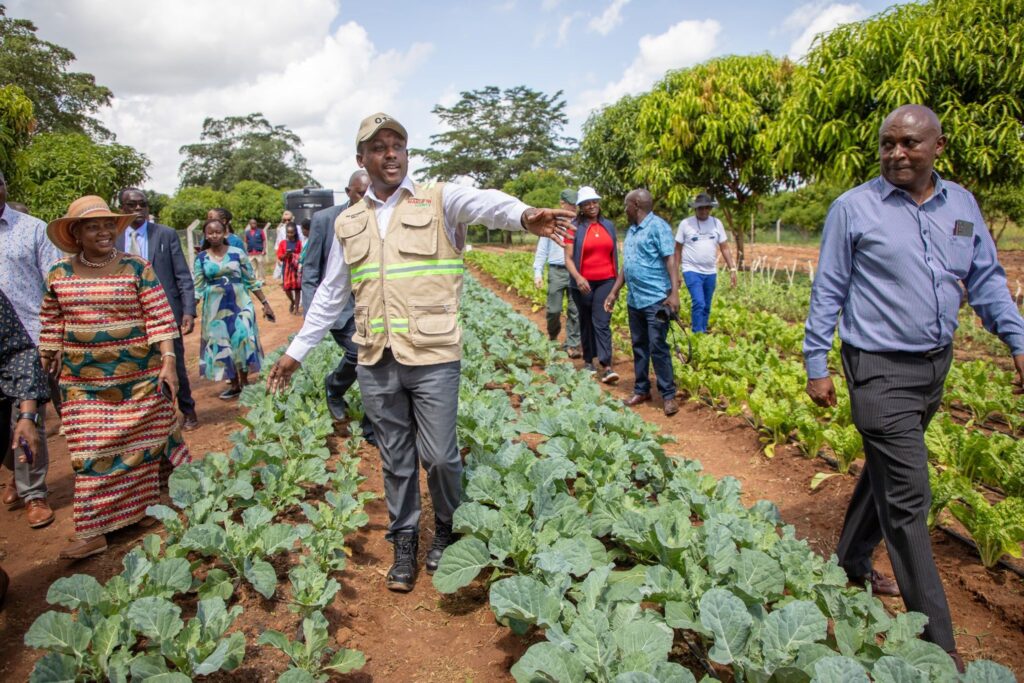
Farmers from Makueni, Machakos and Kitui counties are set to benefit from an irrigation agribusiness program, an initiative geared towards enhancing food security through irrigated agriculture.

The church community based project, launched at Vyulya village in Machakos is a brainchild of ABC Archbishop in charge of East Africa Timothy Ndambuki and supported by TIMADA LTD and Church Capacity Building and Support Centre (CCCBSC).

The program was unveiled by Archbishop Ndambuki, Makueni County Governor Kivutha Kibwana and Machakos Deputy Governor Francis Maliti on Wednesday.

According to the Archbishop, a successful model, tried and proven in Vyulya shall be replicated in the South Eastern Kenya Economic Bloc (SEKEB) to create employment and promote agribusiness across Ukambani and beyond.

“We want this to move to the three counties and we are urging them to walk with us. This will help us improve food security as well as create employment to our youth and women,” said Ndambuki.

The program, to adopt the Israel Moshav model, will entail training of farmers by experts on agricultural skills and supplied with various farm equipment and inputs. The farmers will further form a cooperative society that will help them market their produce as well as link them to export opportunities.

Governor Kibwana hailed the initiative as an economy boost that will not only benefit the people of Vyulya but also the entire Ukambani region through SEKEB.

Ukambani governors meet to jump-start Regional Economic Bloc

Governors Kivutha Kibwana, Alfred Mutua and Charity Ngilu on Friday met in Machakos for deliberations to jump-start the South Eastern Kenya Economic Bloc (SEKEB).

The meeting, chaired by Archbishop Timothy Ndambuki, was also attended by the assembly speakers, majority and minority leaders from the three counties, Kamba Council of Elders and representatives of the clergy.

The bloc, the leaders said, will create a platform for joint development investments and resource mobilization for wealth creation to rollback the poverty ravaging the region.

“We have decided to provide direction to our people to create wealth and pull out of fear, poverty, want and backwardness that is often associated with our region.” said governor Ngilu.

“We have numerous shared resources which if well utilized can make a lasting solution to this region,” she said further.

Governor Kibwana termed SEKEB as a unique outfit because while similar blocs by other counties comprise mainly of governors, SEKEB incorporates elders, church leaders, professionals and all interests across the different social and economic sectors.

He said the outfit could be used as an alternative disputes resolution mechanism incase of leadership wrangles as has been witnessed in Makueni in the first cycle of devolution and currently in Machakos.

Governor Mutua said the bloc would provide a platform for all leaders from the region to work towards a common goal irrespective of the regional geopolitics.

Members of parliament, senators and members of county assembly will also be brought on board for inclusivity.

Ukambani governors hold first SEKEB Summit meeting

The three Ukambani governors; Kivutha Kibwana, Alfred Mutua and Charity Ngilu on Tuesday held the first ordinary summit meeting of the South-Eastern Kenya Economic Bloc (SEKEB) in Machakos.

Top on the agenda of the meeting was development of modalities to enhance Inter-county trade, identification of priority programs/projects of the bloc, marketing of the bloc as a key investment zone, infrastructure development to expand interconnectivity of the region for ease of doing business and movement of people.

The three leaders agreed to establish a technical committee comprising of trade CECs as well as create a cabinet portfolio from each county to drive the agenda of the bloc.

Governor Kibwana said the bloc is eyeing KES 4 billion grant from the Global Climate Fund which if approved will fund several mega dams in the region, besides funding climate smart agricultural projects.

Governor Mutua said the three of them have agreed to create the proper political environment that drives genuine development and rolling back of the poverty ravaging the region.

Ngilu on her part was upbeat that the region is rich in resources which if well tapped can create 60,000 jobs per year.

Three Ukambani Deputy Governors pledge to support development collaborations championed by their County Bosses

Deputy Governors Adelina Mwau, Eng Francis Maliti and Dr Wathe Nzau have pledged their unequivocal support for the Poverty Eradication Movement formed by the three Ukambani governors saying it is the only sure way to better the lives of their citizenry as well as accelerate the intentions of South Eastern Economic Bloc (SEKEB).

The three Ukambani DGs on Monday when they addressed the press at Maliti’s office in Machakos noted that the three counties share a lot in common but genuine unity to solve their unique challenges have been missing.

In a joint statement, the DGs further observed that it is only through the unity of purpose that the people of Ukambani can realize the goldmines they have been sitting on over the years and urged the three governors to soldier on.

“We are talking of building into each other’s efforts. For example, we are talking of Kalamba fruit processing plant in Makueni and we can have all Ukambani fruits processed there. We have a lot to learn about the Kitui Ndengu revolution. We are not duplicating but building on each other’s comparative advantages,” Mwau said.

“The initiatives through SEKEB the three governors have come up with are very good. We must change the way we used to do things if we are to expect different results. We also support the religious leaders who are trying to bring the leaders together. We need leaders who can bring our people together for politics of development,” said Nzau.

The deputy governors have lauded their bosses for choosing a direction away from the status quo and for reviving SEKEB which they said will concentrate on the following issues;

  • Development of key infrastructures such as roads, mega dams and factories,
  • Establishment of regional bank to support the economy of the region,
  • Promote agriculture,
  • Develop a policy on Universal Health Coverage where health insurance can be used across all the facilities in the 3 counties,
  • Jointly to exploit common natural resources and come up with a framework on how the people will directly benefit,
  • Provide conducive environment to both local and international investors and market the region an investment and tourist destination and,
  • Revive and value add cotton and leather industries whose raw materials are readily available in the region.

UK PLEDGES MILLIONS FOR GREEN INVESTMENT PROJECTS IN KENYAN COUNTIES

The United Kingdom has pledged £6.6 million in financial support to initiate the development of 50 green investment projects across 10 counties in Kenya. This funding initiative, announced at an event in Nairobi, is guided by the County Green Finance Assessment report, launched on Thursday.

The report evaluates the 10 counties’ capacity, including Makueni, to access green finance, enabling them to channel investments into vital sectors such as water, healthcare, energy, and infrastructure. Deputy Governor Lucy Mulili emphasized that this initiative would yield economic benefits while addressing the specific needs of local communities.

Produced by Financial Sector Deepening Kenya, an independent trust supported by the UK government, the assessment analyzed each county based on financial performance, credit risk, availability of green investment opportunities, and their ability to manage green finance.

FSD Kenya collaborates on this project with the Capital Markets Authority, the ADA Consortium, the Nairobi Securities Exchange, and the National Treasury and Economic Planning.